

When it comes to maintaining the safety and functionality of your vehicle's tires, a puncture repair kit is an essential item to have on hand. As a trusted puncture repair kit supplier, I understand the importance of having the right tools for the job. In this blog post, I'll discuss the various tools required to effectively use a puncture repair kit, ensuring that you're well-prepared to handle any tire puncture situation.
1. Tire Pressure Gauge
A tire pressure gauge is a fundamental tool for anyone using a puncture repair kit. Before attempting to repair a puncture, it's crucial to check the tire pressure. A punctured tire will typically have low or no pressure, and knowing the exact pressure can help you assess the severity of the puncture. Additionally, after repairing the puncture, you'll need to inflate the tire to the recommended pressure. A reliable tire pressure gauge ensures that you inflate the tire to the correct level, which is essential for optimal tire performance and safety.
2. Valve Core Tool
A valve core tool is used to remove the valve core from the tire valve stem. This is necessary when using certain types of puncture repair kits, especially those that involve injecting sealant into the tire. By removing the valve core, you can easily insert the sealant injector into the valve stem and inject the sealant into the tire. After the sealant has been injected, you can reinstall the valve core and check the tire pressure.
3. Sealant
Sealant is a key component of many puncture repair kits. It's designed to seal small punctures in the tire by filling the hole and creating a temporary or permanent seal. There are different types of sealants available, each with its own unique properties and applications. For example, E-Bike Tire Sealant and Inflator is specifically formulated for e-bike tires, while Street Trial Bike Tire Sealant and Inflator is suitable for street trial bikes. Motorcycle Tire Sealant and Inflator is designed to meet the specific needs of motorcycle tires.
4. Plug Insertion Tool
A plug insertion tool is used to insert tire plugs into the puncture hole. Tire plugs are made of a rubber-like material and are designed to fill the hole and prevent air from escaping. The plug insertion tool helps you insert the plug into the hole at the correct angle and depth, ensuring a proper seal. Some plug insertion tools also come with a cutter, which allows you to trim the excess plug material after insertion.
5. Reamer
A reamer is a tool used to clean and prepare the puncture hole before inserting the tire plug. It has a rough surface that helps remove any debris or foreign objects from the hole, ensuring a clean and smooth surface for the plug to adhere to. By using a reamer, you can improve the effectiveness of the plug and increase the likelihood of a successful repair.
6. Inflator
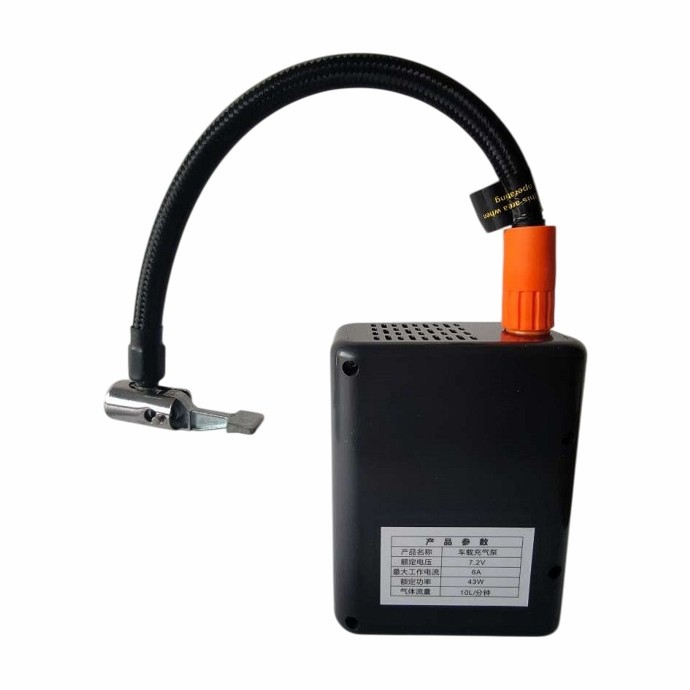
An inflator is necessary to inflate the tire after the puncture has been repaired. There are different types of inflators available, including hand pumps, electric pumps, and CO2 inflators. Hand pumps are portable and easy to use, but they can be time-consuming and require physical effort. Electric pumps are more convenient and can inflate the tire quickly, but they require a power source. CO2 inflators are fast and efficient, but they typically come with a limited supply of CO2 cartridges.
7. Gloves
Wearing gloves is important when using a puncture repair kit. It protects your hands from dirt, grease, and sharp objects, such as the reamer and plug insertion tool. Gloves also provide a better grip, making it easier to handle the tools and perform the repair. Choose gloves that are durable, flexible, and provide good dexterity.
8. Flashlight
A flashlight is useful, especially if you need to repair a puncture at night or in a dimly lit area. It allows you to clearly see the puncture hole, the tools, and the tire valve stem, making the repair process easier and safer. A small, portable flashlight is ideal for this purpose.
9. Multi-Tool
A multi-tool is a versatile tool that can come in handy when using a puncture repair kit. It typically includes a variety of tools, such as a screwdriver, pliers, and a knife. These tools can be used for tasks such as removing the valve cap, tightening the valve core, or cutting the excess plug material. Having a multi-tool on hand ensures that you have all the necessary tools for the repair.

10. Wheel Chocks
Wheel chocks are used to prevent the vehicle from rolling while you're working on the tire. They provide an extra layer of safety and stability, especially when you're working on a slope or uneven surface. Place the wheel chocks in front of and behind the tire on the opposite side of the vehicle from where you're working.
In conclusion, having the right tools is essential for effectively using a puncture repair kit. By investing in high-quality tools and familiarizing yourself with their proper use, you can ensure that you're well-prepared to handle any tire puncture situation. As a puncture repair kit supplier, I'm committed to providing you with the best products and tools to meet your needs. If you're interested in purchasing a puncture repair kit or any of the tools mentioned in this blog post, please feel free to contact me for more information and to discuss your specific requirements. I look forward to working with you to keep your tires in top condition.
References
- Automotive Tire Repair Manuals
- Tire Manufacturer's Guidelines
- Industry Standards for Puncture Repair Tools