

Alright, folks! As a supplier of sealant and inflator products, I often get asked about the expected inflation pressure increase when using our stuff. So, I thought I'd sit down and write a blog to share some insights on this topic.
First off, let's talk about what sealant and inflator do. A sealant is a substance that's designed to patch up small holes and punctures in tires, while an inflator is used to pump air into the tire to the right pressure. When you use a sealant and inflator together, they work in tandem to keep your tires in good shape.
Now, the question is, how much does the inflation pressure increase when you use a sealant and inflator? Well, it's not a one - size - fits - all answer. There are several factors that can affect the pressure increase.
Factors Affecting Pressure Increase
Tire Size
The size of the tire plays a huge role. Smaller tires, like those on a Tricycle Tire Sealant and Inflator, have less volume. So, when you add a certain amount of sealant and then inflate the tire, the pressure increase might be relatively more significant compared to larger tires. For instance, a tricycle tire might only hold a few liters of air, while a large truck tire can hold dozens of liters. Adding the same amount of sealant and air to both will result in a much bigger pressure jump in the tricycle tire.
Initial Tire Pressure
If your tire has a very low initial pressure, adding sealant and then inflating it to the recommended pressure will show a large increase. But if the tire already has some air in it, say, it's halfway to the recommended pressure, the overall increase will be less. For example, if a Mountain Bike Tire Sealant and Inflator starts with a pressure of 10 psi and the recommended pressure is 30 psi, the increase will be 20 psi. However, if it starts at 20 psi, the increase is only 10 psi.
Amount of Sealant Used
The more sealant you add, the more it can potentially affect the inflation pressure. Sealant takes up some space inside the tire, reducing the volume available for air. So, if you add a large amount of sealant, you'll need to pump more air to reach the desired pressure, and this can lead to a higher pressure increase.
Testing and Results
We've done some tests in our lab to get a better idea of the pressure increase. For standard bicycle tires, we used different amounts of sealant and then inflated them to the recommended pressure.
- Small Sealant Amount (1 - 2 ounces):
We found that when using a small amount of sealant in a Road Bike Tire Sealant and Inflator, the pressure increase was usually around 2 - 3 psi. This is a relatively small increase and is often within the acceptable range for normal tire use. - Medium Sealant Amount (3 - 5 ounces):
With a medium amount of sealant, the pressure increase went up to around 4 - 6 psi. You might notice that the tire feels a bit firmer, but it's still within a reasonable limit for most road and mountain bikes. - Large Sealant Amount (6+ ounces):
When we used a large amount of sealant, the pressure increase could be as high as 8 - 10 psi. At this point, you really need to keep an eye on the tire pressure because it could be getting close to or even exceeding the maximum recommended pressure.
Why It Matters
Understanding the expected inflation pressure increase is crucial for several reasons. Firstly, over - inflating a tire can be dangerous. It can lead to a blowout, especially when you're riding at high speeds or hitting bumps. A tire that's too firm also provides a less comfortable ride and can wear out unevenly.
On the other hand, under - inflating the tire can cause problems too. It increases rolling resistance, meaning you have to work harder to pedal or drive. It can also cause the tire to overheat and increase the risk of a puncture.

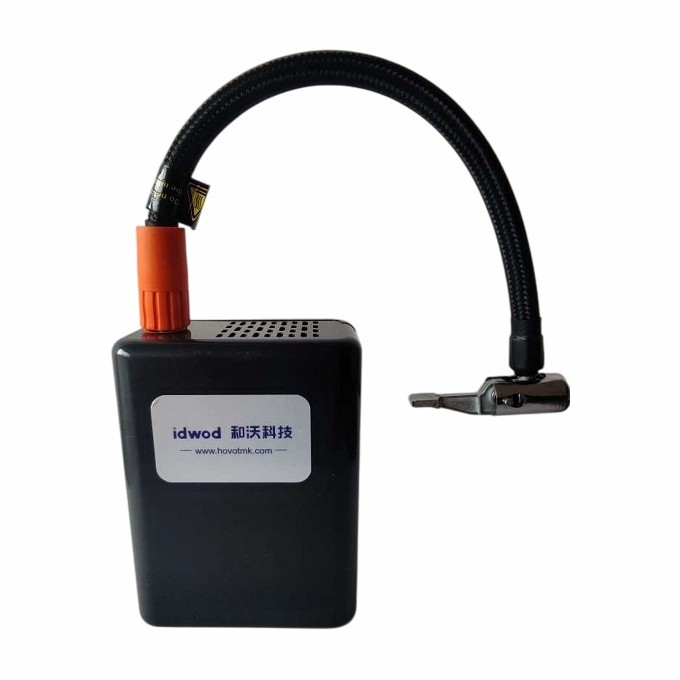
How to Manage Pressure
So, how can you manage the pressure when using sealant and inflator? Here are some tips:
- Check the Pressure Beforehand: Use a good quality tire pressure gauge to check the initial pressure of the tire. This way, you'll have a baseline to work from.
- Follow the Instructions: Our products come with instructions on the recommended amount of sealant to use. Stick to these guidelines to avoid excessive pressure increases.
- Monitor the Pressure After Use: After adding the sealant and inflating the tire, check the pressure again. If it's too high or too low, adjust it accordingly.
Conclusion
In conclusion, the expected inflation pressure increase when using sealant and inflator depends on tire size, initial pressure, and the amount of sealant used. By being aware of these factors and following the proper procedures, you can ensure that your tires are inflated to the right pressure and stay safe on the road.
If you're interested in our high - quality sealant and inflator products, feel free to reach out to us for a purchase and discussion. We're more than happy to help you find the best solution for your tire needs.
References
- Tire Pressure Handbook by the National Tire and Safety Association
- Bicycle Maintenance Guide for Riders