

Hey there, fellow mountain biking enthusiasts! As a supplier of MTB tire sealant, I've been getting a ton of questions lately about the difference between latex and non-latex MTB tire sealant. So, I thought I'd sit down and write this blog to clear things up for y'all.
Let's start with the basics. What exactly is tire sealant? Well, it's a liquid that you put inside your bike tires. Its main job is to seal up small punctures as soon as they happen, so you don't have to stop in the middle of your ride to change a tube. It's a real game-changer for mountain bikers, especially when you're out on the trails far from home.
Latex MTB Tire Sealant
Latex-based tire sealants have been around for a while, and they're pretty popular among riders. One of the biggest advantages of latex sealant is its ability to seal up punctures quickly. When a nail or a thorn pierces your tire, the latex in the sealant comes into contact with the air. This causes it to coagulate, forming a plug that seals the hole. It's like magic!
Another great thing about latex sealant is that it's very flexible. This means that it can adapt to the shape of the puncture, creating a tight seal. It also helps to prevent air leakage over time. So, you can keep riding without worrying about your tire going flat.
However, latex sealant does have some downsides. One of the main issues is its shelf life. Latex is a natural product, and it can dry out over time. If you leave your bike sitting in the garage for too long, the sealant might harden and become ineffective. You'll have to replace it more often compared to non-latex sealants.
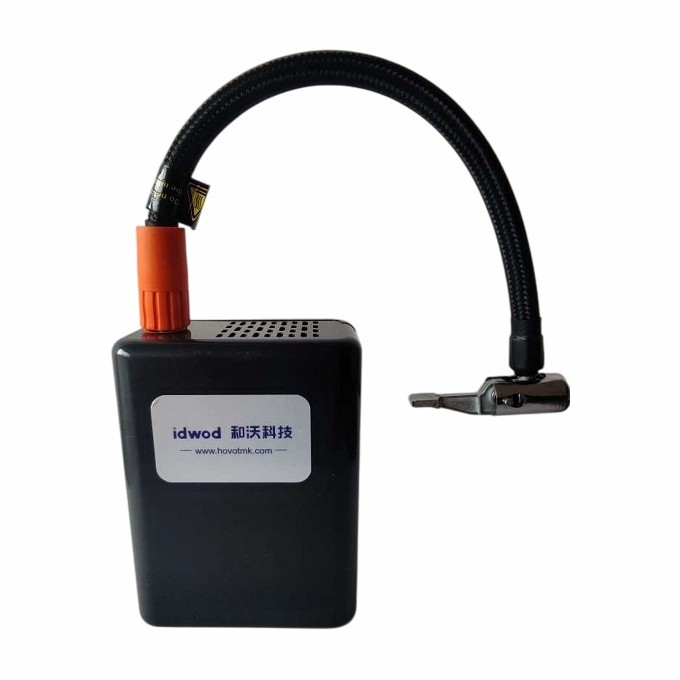

Also, latex sealant can be a bit messy. If you puncture your tire and the sealant leaks out, it can be a pain to clean up. It can stain your rims and even your clothes. So, you have to be careful when using it.
Non-Latex MTB Tire Sealant
Non-latex tire sealants are a newer option on the market, and they're gaining popularity for a good reason. One of the biggest advantages of non-latex sealant is its long shelf life. Unlike latex, non-latex sealants are made from synthetic materials, which don't dry out as quickly. This means that you can leave your bike in storage for months, and the sealant will still be effective when you're ready to ride again.
Non-latex sealants are also more resistant to extreme temperatures. Whether you're riding in the scorching heat of summer or the freezing cold of winter, non-latex sealant will continue to work. This makes it a great choice for riders who live in areas with harsh weather conditions.
Another benefit of non-latex sealant is that it's less messy. If you do have a puncture and the sealant leaks out, it's easier to clean up compared to latex sealant. It won't stain your rims or your clothes as easily.
However, non-latex sealants do have some drawbacks. One of the main issues is that they might not seal up punctures as quickly as latex sealants. The synthetic materials in non-latex sealants take a bit longer to form a plug. So, you might experience a small loss of air before the puncture is sealed.
Also, non-latex sealants can be a bit more expensive than latex sealants. But, considering their longer shelf life and better performance in extreme conditions, the extra cost might be worth it for some riders.
Which One Should You Choose?
So, now that you know the differences between latex and non-latex MTB tire sealants, which one should you choose? Well, it depends on your riding style and preferences.
If you're a casual rider who doesn't ride very often, latex sealant might be a good choice. It's affordable and does a great job of sealing punctures quickly. Just make sure to check the sealant regularly and replace it if it starts to dry out.
On the other hand, if you're a serious rider who spends a lot of time on the trails, non-latex sealant might be the better option. Its long shelf life and resistance to extreme temperatures make it a reliable choice for riders who need their sealant to work in all conditions.
Other Types of Tire Sealants
Apart from MTB tire sealants, we also offer sealants for other types of vehicles. If you're looking for Car Tire Sealant and Inflator, we've got you covered. Our car tire sealant can quickly seal up punctures and inflate your tires, so you can get back on the road in no time.
For road bike enthusiasts, we have Road Bike Tire Sealant and Inflator. It's designed to work with the high-pressure tires of road bikes, providing reliable puncture protection.
And if you're an e-vehicle owner, check out our E-Vehicle Tire Sealant and Inflator. It's specially formulated to meet the unique needs of e-bikes and other electric vehicles.
Conclusion
In conclusion, both latex and non-latex MTB tire sealants have their pros and cons. The choice between the two depends on your individual needs and riding style. As a supplier, we're here to help you make the right decision. If you have any questions or need more information, don't hesitate to reach out. We're always happy to assist you in finding the perfect tire sealant for your ride. Whether you're a weekend warrior or a professional rider, we've got the sealant that will keep you rolling. So, why wait? Contact us today to start the procurement process and get your hands on the best tire sealant in the market.
References
- "The Ultimate Guide to Bike Tire Sealants" - Bicycling Magazine
- "How to Choose the Right Tire Sealant" - Mountain Bike Action