

A flat tire can be a major inconvenience, whether you're out on a long bike ride or in the middle of a busy commute. That's where a tire sealant kit comes in handy. As a tire sealant kit supplier, I've seen firsthand how these kits can save the day. In this blog post, I'll explain how a tire sealant kit works and why it's a must-have for any cyclist.
The Basics of a Tire Sealant Kit
A tire sealant kit typically consists of a sealant solution and a delivery system, such as a syringe or a canister. The sealant is a specially formulated liquid that is designed to seal small punctures and leaks in the tire. When a puncture occurs, the sealant is forced into the hole by the pressure inside the tire, where it forms a plug to prevent air from escaping.
The delivery system is used to inject the sealant into the tire. Depending on the type of kit, this may involve removing the valve core and injecting the sealant directly into the inner tube, or using a canister to dispense the sealant into the tire through the valve stem.
How the Sealant Works
The key to the effectiveness of a tire sealant is its ability to form a seal quickly and effectively. Most tire sealants contain a combination of fibers, particles, and polymers that work together to seal the puncture.
When the sealant is injected into the tire, it circulates with the air inside the tire. When a puncture occurs, the pressure inside the tire forces the sealant into the hole. The fibers and particles in the sealant act like a plug, filling the hole and preventing air from escaping. The polymers in the sealant help to bond the fibers and particles together, creating a strong and durable seal.

Some tire sealants also contain self-sealing properties, which means that they can continue to seal small punctures as they occur. This is especially useful for cyclists who ride on rough or debris-filled roads, where punctures are more likely to occur.
Types of Tire Sealant Kits
There are several types of tire sealant kits available on the market, each with its own advantages and disadvantages. Here are some of the most common types:
- Latex-based sealants: These sealants are made from natural or synthetic latex and are known for their excellent sealing properties. They are also biodegradable and environmentally friendly. However, they can dry out over time and may need to be replaced more frequently.
- Slime-based sealants: These sealants are made from a thick, viscous liquid that contains fibers and particles. They are known for their ability to seal large punctures and are often used in off-road or mountain bikes. However, they can be messy to work with and may not be as effective in sealing small punctures.
- Foam-based sealants: These sealants are made from a foam-like material that expands when it comes into contact with air. They are easy to use and can quickly seal small punctures. However, they may not be as effective in sealing large punctures and may need to be replaced more frequently.
Benefits of Using a Tire Sealant Kit
There are several benefits to using a tire sealant kit, including:
- Convenience: A tire sealant kit allows you to quickly and easily repair a flat tire on the go, without having to carry a spare tube or pump.
- Cost savings: By preventing flats, a tire sealant kit can save you money in the long run by reducing the need for frequent tube replacements.
- Safety: A flat tire can be dangerous, especially if it occurs at high speeds or on a busy road. A tire sealant kit can help to prevent flats and keep you safe on the road.
- Peace of mind: Knowing that you have a tire sealant kit on hand can give you peace of mind when you're out on a ride, knowing that you're prepared for any flat tire situation.
Using a Tire Sealant Kit
Using a tire sealant kit is relatively easy, but it's important to follow the instructions carefully to ensure that the sealant is applied correctly. Here are the general steps for using a tire sealant kit:
- Remove the valve core: Use a valve core tool to remove the valve core from the inner tube. This will allow the sealant to be injected into the tube.
- Inject the sealant: Depending on the type of kit, use a syringe or a canister to inject the sealant into the inner tube. Make sure to follow the instructions on the kit for the correct amount of sealant to use.
- Reinstall the valve core: Once the sealant has been injected, reinstall the valve core and tighten it securely.
- Inflate the tire: Use a pump to inflate the tire to the recommended pressure. Make sure to check the pressure regularly to ensure that the tire is properly inflated.
Our Tire Sealant Kits
As a tire sealant kit supplier, we offer a range of high-quality tire sealant kits to meet the needs of cyclists of all levels. Our kits are designed to be easy to use and effective in sealing punctures and leaks.
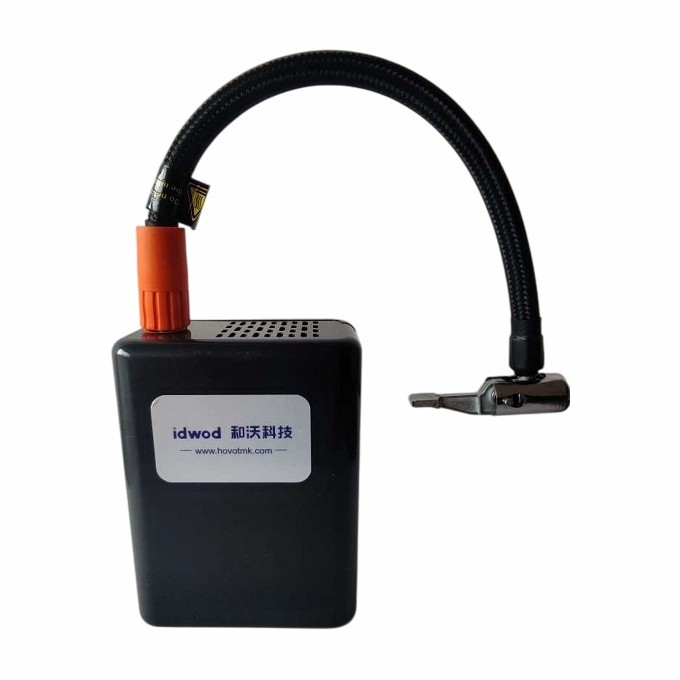
One of our popular products is the Road Bike Tire Sealant and Inflator. This kit is specifically designed for road bikes and contains a high-performance sealant that can quickly seal small punctures and leaks. The kit also includes an inflator, making it easy to repair a flat tire on the go.
Another product we offer is the Tricycle Tire Sealant and Inflator. This kit is designed for tricycles and contains a sealant that is specifically formulated to work with the larger tires used on tricycles. The kit also includes an inflator, making it easy to repair a flat tire on a tricycle.
We also offer an E-Bike Tire Sealant and Inflator kit. This kit is designed for e-bikes and contains a sealant that is specifically formulated to work with the high-pressure tires used on e-bikes. The kit also includes an inflator, making it easy to repair a flat tire on an e-bike.
Contact Us for Procurement
If you're interested in purchasing our tire sealant kits, we'd love to hear from you. Our products are of the highest quality and are backed by our commitment to customer satisfaction. Whether you're a professional cyclist, a weekend warrior, or just someone who wants to be prepared for a flat tire, our tire sealant kits are the perfect solution.
To discuss your procurement needs and get more information about our products, please reach out to us. We're here to answer any questions you may have and help you find the right tire sealant kit for your needs.

References
- "The Ultimate Guide to Bike Tire Sealant." Bicycling.com.
- "How to Use a Tire Sealant." Sheldon Brown.
- "Tire Sealant: What You Need to Know." Pinkbike.