

When it comes to using street trial bike tire sealant, determining the recommended pressure is crucial for optimal performance and safety. As a supplier of Street Trial Bike Tire Sealant, I've had extensive experience and knowledge about this topic. In this blog, I'll delve into the factors that influence the recommended pressure and provide you with some practical guidelines.
Understanding the Role of Tire Sealant
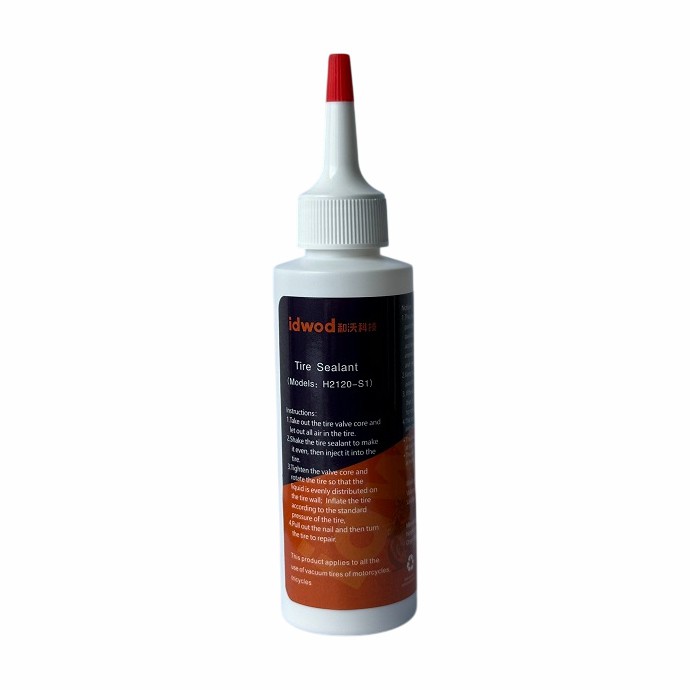
Before discussing the recommended pressure, it's essential to understand what tire sealant does. Street trial bike tire sealant is a liquid substance that is injected into the tire. Its primary function is to seal small punctures and leaks as they occur, preventing the tire from going flat. This is especially important for street trial bikes, which often encounter sharp objects on the road. The sealant works by flowing to the puncture site and forming a plug, effectively stopping the air from escaping.

Factors Affecting the Recommended Pressure
Several factors influence the recommended pressure when using street trial bike tire sealant. These include the tire size, the rider's weight, the type of riding, and the terrain.
Tire Size
Tire size plays a significant role in determining the recommended pressure. Larger tires generally require less pressure than smaller ones. This is because larger tires have a greater surface area in contact with the ground, which distributes the weight of the bike and the rider more evenly. As a result, they can support the weight with less pressure. For example, a 26-inch street trial bike tire may require a lower pressure than a 20-inch tire.
Rider's Weight
The rider's weight is another important factor. Heavier riders need more pressure to support their weight and prevent the tire from bottoming out. On the other hand, lighter riders can use lower pressure for a more comfortable ride. As a general rule, for every 10 pounds of additional weight, you may need to increase the tire pressure by 1-2 psi.
Type of Riding
The type of riding you do also affects the recommended pressure. If you're doing technical street trials, which involve a lot of jumping, balancing, and precise maneuvers, you may want to use a slightly higher pressure to ensure better handling and responsiveness. However, if you're doing more casual riding on smooth streets, a lower pressure can provide a more comfortable and cushioned ride.
Terrain
The terrain you ride on is another crucial factor. Riding on rough or uneven terrain requires more pressure to prevent the tire from getting damaged by sharp rocks or debris. In contrast, riding on smooth surfaces allows you to use a lower pressure for better traction and a smoother ride.
Recommended Pressure Ranges
Based on the factors mentioned above, here are some general recommended pressure ranges for street trial bike tires when using tire sealant:
- For riders weighing less than 150 pounds:
- On smooth streets: 20-25 psi
- On rough terrain: 25-30 psi
- For riders weighing between 150 and 200 pounds:
- On smooth streets: 25-30 psi
- On rough terrain: 30-35 psi
- For riders weighing more than 200 pounds:
- On smooth streets: 30-35 psi
- On rough terrain: 35-40 psi
It's important to note that these are just general guidelines, and you may need to adjust the pressure based on your specific riding conditions and preferences.
How to Check and Adjust Tire Pressure
Checking and adjusting tire pressure is a simple process that can be done with a tire pressure gauge. Here's how:
- Remove the valve cap: Unscrew the valve cap from the tire valve.
- Check the pressure: Press the pressure gauge firmly onto the valve stem. The gauge will display the current tire pressure.
- Adjust the pressure: If the pressure is too low, use a bike pump to add air until you reach the recommended pressure. If the pressure is too high, press the pin in the center of the valve stem to release some air.
- Recheck the pressure: After adjusting the pressure, recheck it with the gauge to ensure it's within the recommended range.
- Replace the valve cap: Screw the valve cap back onto the valve stem to prevent dirt and debris from entering the valve.
Benefits of Using the Right Pressure
Using the recommended pressure when using street trial bike tire sealant offers several benefits:
- Improved performance: The right pressure ensures better handling, traction, and responsiveness, allowing you to perform at your best.
- Enhanced safety: Properly inflated tires reduce the risk of flats and blowouts, keeping you safe on the road.
- Longer tire life: Maintaining the correct pressure helps to evenly distribute the wear on the tire, extending its lifespan.
- Better fuel efficiency: For electric street trial bikes, using the right pressure can improve energy efficiency, saving you money in the long run.
Other Considerations
In addition to the recommended pressure, there are a few other things to keep in mind when using street trial bike tire sealant:
- Follow the manufacturer's instructions: Different tire sealants may have specific instructions regarding pressure and application. Make sure to read and follow these instructions carefully.
- Monitor the sealant level: Over time, the sealant may dry out or leak, reducing its effectiveness. Check the sealant level regularly and add more if necessary.
- Store the sealant properly: Keep the sealant in a cool, dry place to prevent it from freezing or drying out.
Conclusion
Determining the recommended pressure when using street trial bike tire sealant is a combination of understanding the factors that influence it and finding the right balance for your specific needs. By following the guidelines provided in this blog and adjusting the pressure based on your riding conditions and preferences, you can ensure optimal performance, safety, and longevity of your tires.
If you're interested in purchasing our Street Trial Bike Tire Sealant, we also offer Tricycle Tire Sealant and Car Tire Sealant for a wide range of applications. Feel free to contact us for more information and to discuss your purchasing needs. We're here to help you find the best tire sealant solution for your vehicles.
References
- "Bicycle Tire Pressure Guide." Sheldon Brown.
- "Tire Sealant Basics." Popular Mechanics.