

Hey there, fellow riders and drivers! As a supplier of Sealant And Inflator, I often get asked a bunch of questions, but one that pops up quite frequently is, "What is the maximum speed I can drive after using sealant and inflator?" Well, let's dive right into this topic and clear up all the confusion.
First off, it's important to understand what sealant and inflator do. The sealant is designed to quickly seal small punctures in your tires, while the inflator helps you get your tire back up to the proper pressure. It's like having a little emergency repair kit right in your vehicle or bike.
Now, when it comes to the maximum speed after using sealant and inflator, there isn't a one - size - fits - all answer. It depends on several factors. One of the most crucial factors is the type of vehicle you're using.
Let's start with motorcycles. Motorcycle tires are built differently from car tires. They have a smaller contact area with the road, which means they need to be in top - notch condition for safe high - speed riding. After using a Motorcycle Tire Sealant and Inflator, you should be cautious. In general, it's recommended to keep your speed relatively low, say around 30 - 50 mph. This is because the sealant needs time to fully set and create a proper seal. Riding at high speeds too soon can cause the sealant to dislodge or not form a strong enough bond. The heat generated at high speeds can also affect the performance of the sealant.
Road bikes are another story. These are lightweight bikes built for speed on paved roads. If you use a Road Bike Tire Sealant and Inflator, you can usually get away with a bit higher speed compared to motorcycles. After using the sealant and inflator, you can probably ride at speeds up to 15 - 20 mph for the first few miles. This allows the sealant to work its magic and seal any punctures. Once you've ridden a bit and you're confident that the seal is holding, you can gradually increase your speed. However, it's still a good idea to keep an eye on the tire and not go full - throttle right away.
E - bikes are becoming more and more popular these days. They offer a great mix of pedal power and electric assistance. When you use an E - Bike Tire Sealant and Inflator, the maximum speed guidelines are somewhat similar to road bikes. You should start off slow, around 10 - 15 mph, to let the sealant do its job. E - bikes can go at higher speeds thanks to their electric motors, but it's important to give the sealant time to set before pushing the limits.
Another factor that affects the maximum speed is the size and location of the puncture. If it's a small puncture, say from a nail or a thorn, the sealant is more likely to work quickly and effectively. In this case, you might be able to increase your speed a bit sooner. However, if the puncture is large, like a tear or a cut, the sealant may have a harder time creating a proper seal. You'll need to be extra careful and keep your speed down for a longer period.
The type of sealant also matters. Some sealants are formulated to work faster and at higher temperatures. These can allow you to reach higher speeds sooner. But even with the best sealants, it's still not a good idea to go full - speed right after using them.
It's also important to note that using sealant and inflator is a temporary fix. It's not a long - term solution for a damaged tire. You should still get your tire properly repaired or replaced as soon as possible.
Now, I know you might be thinking, "Okay, but how do I know if the seal is holding?" Well, there are a few signs. First, check the tire pressure regularly. If the pressure stays stable, it's a good sign that the seal is working. Also, listen for any hissing sounds, which could indicate air is still leaking. And of course, pay attention to how the vehicle or bike handles. If it feels wobbly or unstable, it could mean the seal isn't holding.

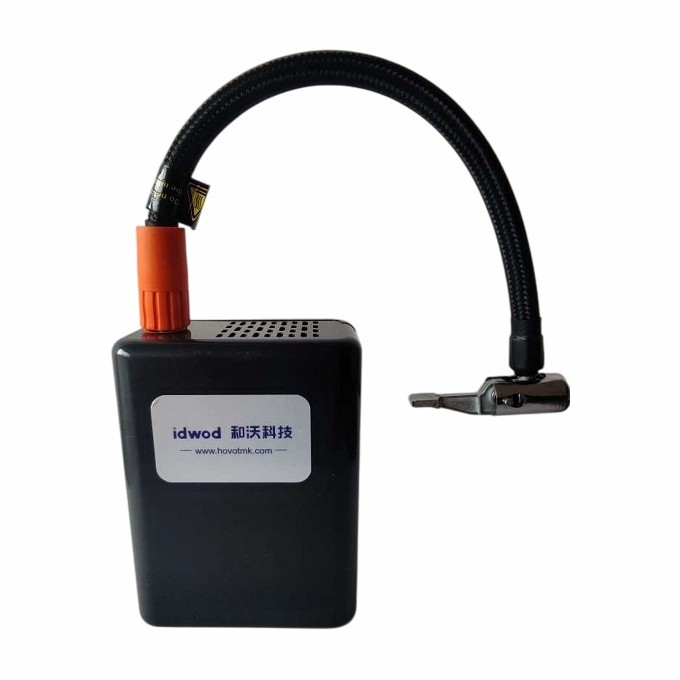
As a Sealant And Inflator supplier, I want to make sure you have all the information you need to use our products safely and effectively. Our sealants and inflators are designed to provide a quick and reliable fix in case of a flat tire. But we also want you to use them responsibly.
If you're in the market for a high - quality sealant and inflator, whether it's for your motorcycle, road bike, or e - bike, we've got you covered. We offer a wide range of products that are tested and proven to work.
If you have any questions about our products, or if you're interested in purchasing them for your business or personal use, don't hesitate to reach out. We're here to help you make the right choice and ensure you have a safe and smooth ride.
In conclusion, the maximum speed you can drive after using sealant and inflator depends on many factors, including the type of vehicle, the size of the puncture, and the type of sealant. It's always better to err on the side of caution and keep your speed down until you're sure the seal is holding. And remember, it's a temporary fix, so get your tire properly repaired or replaced as soon as you can.
References:
- Various automotive and cycling industry publications on tire repair and maintenance.
- Manufacturer's guidelines for sealant and inflator products.