

When it comes to maintaining a bicycle, one of the most common issues cyclists face is a punctured tire. A Cycle Puncture Repair Kit is an essential tool in every cyclist's toolkit, and at the heart of this kit is the glue used to seal the puncture. In this blog post, I'll delve into the chemical composition of the glue in a Cycle Puncture Repair Kit, as a supplier of these kits.
Understanding the Basics of Cycle Puncture Repair Glue
The glue in a Cycle Puncture Repair Kit serves a crucial purpose: it must create a strong, air - tight seal between the patch and the inner tube of the tire. This seal needs to withstand the pressure inside the tire, as well as the constant movement and vibrations experienced during cycling.
The primary components of most cycle puncture repair glues include solvents, polymers, and additives. Each of these components plays a vital role in the glue's performance.
Solvents
Solvents are used to dissolve the polymers and other additives in the glue, making it easy to apply. They also help the glue to spread evenly over the surface of the inner tube and the patch. Common solvents used in cycle puncture repair glues include acetone, toluene, and hexane.
Acetone is a highly volatile solvent that evaporates quickly. It has a low boiling point, which means it dries rapidly, allowing the glue to set faster. Toluene is another solvent often used. It has good dissolving properties and can help the glue penetrate the rubber surface of the inner tube and the patch, creating a stronger bond. Hexane is also used for its ability to dissolve polymers and its relatively low toxicity compared to some other solvents.
However, solvents can be flammable and have some health risks if inhaled in large quantities. That's why it's important to use these glues in well - ventilated areas.
Polymers
Polymers are the backbone of the glue. They are long - chain molecules that provide the adhesive strength. In cycle puncture repair glues, the most commonly used polymers are rubber - based polymers. Natural rubber and synthetic rubbers such as styrene - butadiene rubber (SBR) are popular choices.
Natural rubber has excellent elasticity and adhesion properties. It can conform to the shape of the inner tube and the patch, creating a tight seal. Synthetic rubbers like SBR are often used because they can be engineered to have specific properties. For example, SBR can be formulated to have better resistance to heat, cold, and chemicals compared to natural rubber.
When the solvent evaporates, the polymers come together and form a solid, elastic bond between the patch and the inner tube. This bond needs to be flexible enough to withstand the bending and stretching of the inner tube as the tire rotates, while also being strong enough to hold the patch in place.
Additives
Additives are used to enhance the performance of the glue. They can improve the glue's adhesion, durability, and resistance to environmental factors.
One common additive is a tackifier. Tackifiers increase the initial stickiness of the glue, making it easier to position the patch on the inner tube. They help the patch to adhere quickly and securely, even before the glue fully sets.
Antioxidants are another important additive. They prevent the rubber polymers in the glue from oxidizing, which can cause the glue to become brittle and lose its adhesive strength over time. By adding antioxidants, the glue can maintain its performance for a longer period, even when exposed to oxygen in the air.
UV stabilizers are also used in some glues. They protect the glue from the damaging effects of ultraviolet (UV) light. UV light can break down the polymers in the glue, weakening the bond between the patch and the inner tube. UV stabilizers absorb the UV light and prevent it from causing damage to the glue.

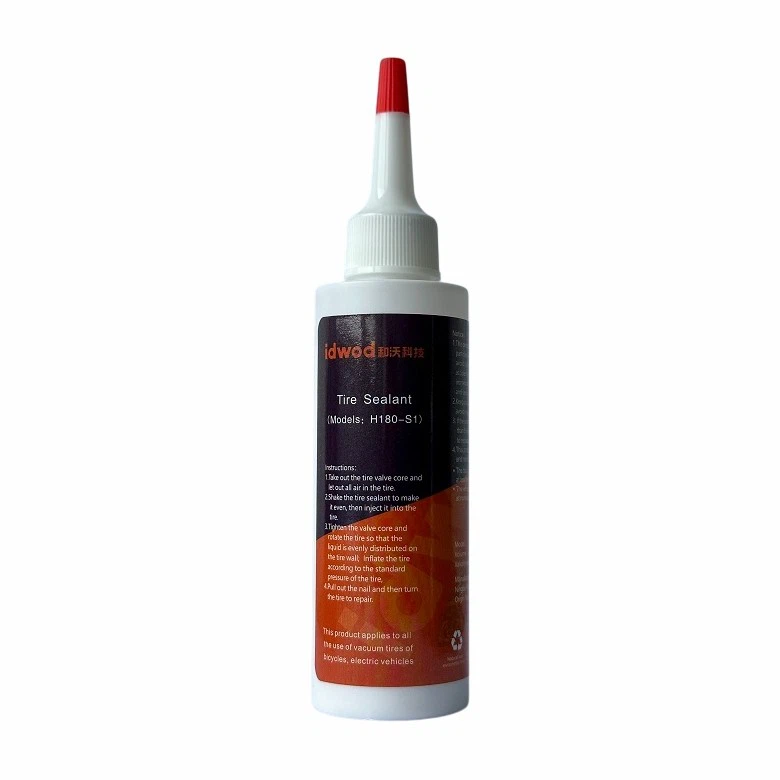
Different Types of Cycle Puncture Repair Glues
There are different types of cycle puncture repair glues available on the market, each with its own unique chemical composition and properties.
Contact Glue
Contact glue is one of the most common types of glue used in Cycle Puncture Repair Kits. It requires both the inner tube and the patch to be coated with the glue and allowed to dry slightly until they become tacky. Then, the patch is pressed firmly onto the inner tube, and the bond is formed instantly.
Contact glues typically have a high concentration of polymers and solvents. The polymers provide the strong adhesion, while the solvents ensure easy application. The drying time of contact glue can vary depending on the solvent used and the environmental conditions.
Self - Vulcanizing Glue
Self - vulcanizing glue is another option. It doesn't require the use of heat to create a strong bond. Instead, it contains chemicals that react with the rubber in the inner tube and the patch to form a vulcanized bond. This bond is similar to the bond created during the manufacturing process of rubber products.
Self - vulcanizing glues often contain sulfur - based compounds, which are responsible for the vulcanization process. They can provide a very strong and durable bond, but they may take longer to set compared to contact glues.
Our Product Offerings
As a supplier of Cycle Puncture Repair Kits, we understand the importance of using high - quality glues with the right chemical composition. We offer a range of products to meet the needs of different types of cyclists.
For street trial bike enthusiasts, we have the Street Trial Bike Tire Sealant and Inflator. This product is specifically formulated for the unique demands of street trial bikes. The glue in this kit has excellent adhesion and flexibility, allowing it to withstand the high - impact maneuvers often performed on these bikes.
Our E - Bike Tire Sealant and Inflator is designed for electric bikes. E - bikes often have higher tire pressures and different riding conditions compared to traditional bikes. The glue in this kit is engineered to handle these higher pressures and the additional vibrations caused by the electric motor.
For mountain bike riders, we offer the Mountain Bike Tire Sealant and Inflator. Mountain biking involves rough terrains and unpredictable riding conditions. The glue in this kit is formulated to be extra durable and resistant to abrasion, ensuring a long - lasting seal even in the most challenging environments.
Why Choose Our Cycle Puncture Repair Kits
Our Cycle Puncture Repair Kits are made with the highest quality materials and the latest technology. We carefully select the solvents, polymers, and additives to ensure that our glues provide the best possible performance.
We also conduct rigorous testing on our products. Our glues are tested for adhesion strength, flexibility, and resistance to environmental factors such as heat, cold, and moisture. This ensures that our kits can be relied on in any cycling situation.
Contact Us for Procurement
If you're interested in purchasing our Cycle Puncture Repair Kits for your business or personal use, we'd love to hear from you. Whether you're a bike shop owner looking to stock our products or an individual cyclist in need of a reliable repair kit, we can provide you with the best solutions. Contact us to start a procurement discussion, and let's work together to keep your bikes rolling smoothly.
References
- "The Chemistry of Adhesives" by CRC Press
- "Rubber Technology" by Maurice Morton
- "Polymer Science and Engineering" by Donald R. Paul and L. H. Sperling