

Tire sealant and inflator products are essential tools for vehicle owners, offering a quick and convenient solution to flat tires. As a leading supplier of tire sealant and inflator, I am often asked about the ingredients that make up these products. In this blog post, I will delve into the key components of tire sealant and inflator, explaining their functions and how they work together to seal punctures and inflate tires.
Key Ingredients in Tire Sealant
Latex or Synthetic Polymers
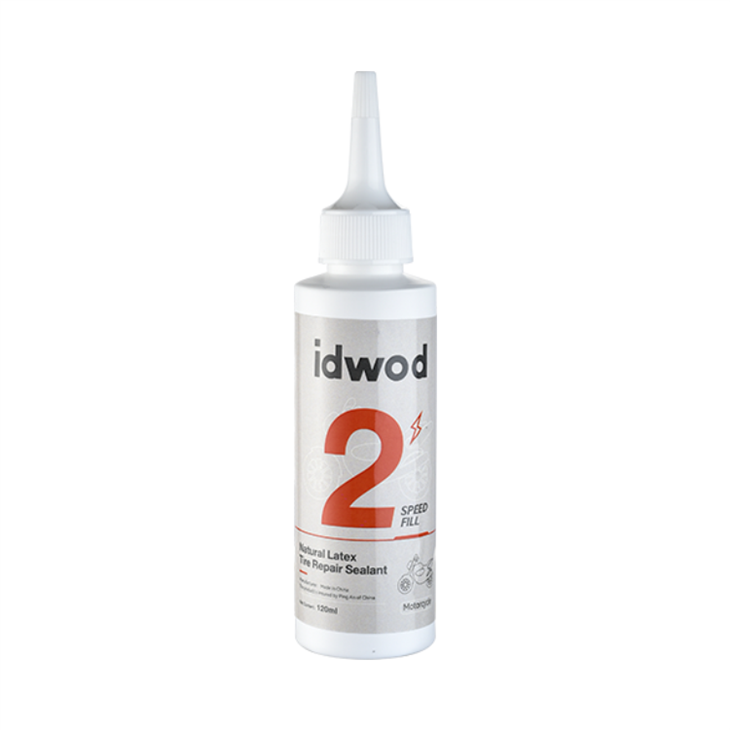
One of the primary ingredients in most tire sealants is latex or synthetic polymers. Latex, a natural substance derived from rubber trees, has excellent sealing properties. It forms a flexible and durable seal around punctures, preventing air from escaping the tire. Synthetic polymers, on the other hand, are man - made materials designed to mimic the sealing capabilities of latex. They are often more resistant to temperature changes and can provide a long - lasting seal.
When a tire is punctured, the latex or synthetic polymer in the sealant is forced into the hole by the air pressure inside the tire. As it comes into contact with the air outside the tire, it begins to dry and harden, creating a plug that seals the puncture. This process happens quickly, allowing the vehicle owner to continue their journey without having to change the tire immediately.
Fibers
Fibers are another important ingredient in tire sealant. These can be made from various materials such as nylon, polyester, or cellulose. Fibers act as reinforcement for the seal created by the latex or polymer. They help to strengthen the plug and prevent it from being dislodged by the movement of the tire or the pressure of the air inside.
When the sealant is forced into the puncture, the fibers become entangled with each other and with the latex or polymer, creating a more robust and reliable seal. The fibers also help to fill larger punctures by providing additional bulk and structure to the plug.
Corrosion Inhibitors
Tire sealants often contain corrosion inhibitors to protect the inside of the tire and the wheel rim from rust and corrosion. These inhibitors are typically chemicals that form a protective layer on the metal surfaces, preventing moisture and oxygen from coming into contact with them.
Over time, moisture can accumulate inside the tire, especially if the tire has been punctured and the sealant has been used. Without corrosion inhibitors, this moisture could cause the wheel rim to rust, leading to damage and potentially affecting the performance of the tire. By including corrosion inhibitors in the sealant, we ensure that the tire and wheel rim remain in good condition for longer.
Solvents
Solvents are used in tire sealants to keep the other ingredients in a liquid state and to ensure that the sealant can flow easily through the tire valve and into the puncture. Common solvents used in tire sealants include water, alcohol, and glycols.
Water is a popular choice as a solvent because it is inexpensive and readily available. However, it can freeze at low temperatures, which may affect the performance of the sealant. Alcohol and glycols have lower freezing points and are more suitable for use in cold climates. They also help to dissolve other ingredients in the sealant and improve its overall stability.
Ingredients in Tire Inflator
Propellants
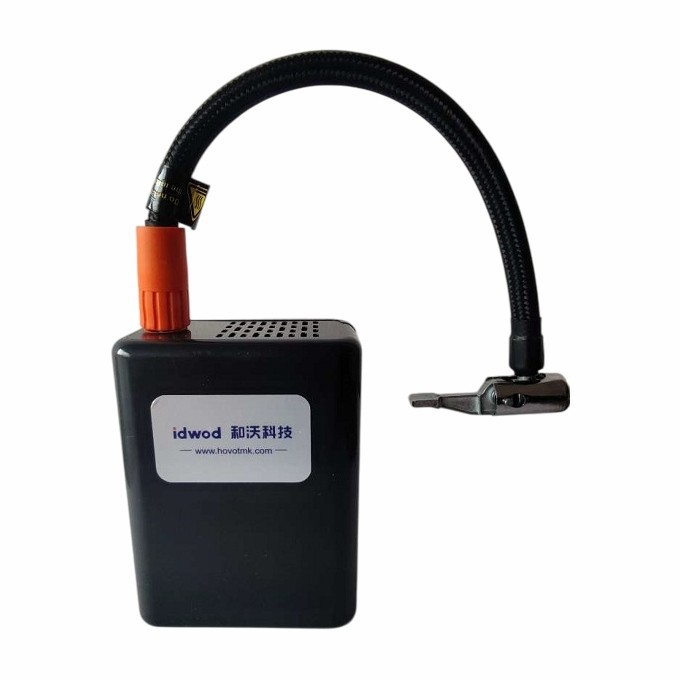
The main ingredient in a tire inflator is the propellant. Propellants are gases that are used to create pressure inside the canister and force the sealant into the tire. Common propellants used in tire inflators include compressed air, nitrogen, and carbon dioxide.
Compressed air is the most commonly used propellant because it is readily available and inexpensive. It is simply air that has been compressed into a canister at high pressure. When the valve of the inflator is opened, the compressed air expands, forcing the sealant out of the canister and into the tire.
Nitrogen is sometimes used as a propellant because it is an inert gas. This means that it does not react with the other ingredients in the sealant or with the materials inside the tire. Nitrogen also has a lower rate of leakage compared to air, which can help to keep the tire inflated for longer.
Carbon dioxide is another option for a propellant. It is a gas that is produced by the reaction of an acid and a base inside the inflator canister. When the valve is opened, the carbon dioxide gas is released, creating pressure that forces the sealant into the tire.
Lubricants
Lubricants are added to tire inflators to ensure that the moving parts inside the canister and the valve operate smoothly. These lubricants can be oils or greases that reduce friction between the components, preventing wear and tear and ensuring that the inflator functions properly.
Lubricants also help to prevent the valve from sticking or becoming clogged, which could prevent the sealant from being released into the tire. By keeping the valve and other moving parts well - lubricated, we ensure that the tire inflator is reliable and easy to use.
Different Types of Tire Sealant and Inflator and Their Applications
Electric Motorcycle Tire Sealant and Inflator
For electric motorcycles, a specialized Electric Motorcycle Tire Sealant and Inflator is often required. These products are designed to be lightweight and compact, making them easy to carry on a motorcycle. They also need to be effective at sealing small punctures quickly, as electric motorcycles may not have the same storage space or mechanical support as cars.
The ingredients in electric motorcycle tire sealant and inflator are similar to those in other types of sealants and inflators, but they may be formulated to work better with the smaller tires and higher - speed operation of motorcycles. For example, the sealant may need to form a seal more quickly to prevent the loss of air at high speeds.
Car Tire Sealant and Inflator
Car Tire Sealant and Inflator products are designed to handle larger tires and more significant punctures. They typically contain a higher concentration of sealant ingredients to ensure that they can effectively seal holes in car tires.
Car tire sealants also need to be compatible with the various types of tires used on cars, including radial, bias - ply, and run - flat tires. The inflators used with car tires are usually more powerful, as they need to be able to inflate the larger volume of air inside a car tire.
E - Bike Tire Sealant and Inflator
E - Bike Tire Sealant and Inflator products are tailored to the specific needs of electric bicycles. E - bike tires are smaller than car tires but larger than motorcycle tires in some cases. The sealant needs to be able to seal punctures quickly and effectively, while the inflator should be lightweight and easy to use.
The ingredients in e - bike tire sealant and inflator are formulated to work well with the materials used in e - bike tires, such as rubber compounds and inner tubes. They also need to be environmentally friendly, as e - bikes are often used in areas where pollution is a concern.
Contact for Procurement
If you are interested in purchasing our high - quality tire sealant and inflator products, we would be more than happy to discuss your requirements. Our products are formulated using the latest technology and the highest - quality ingredients to ensure maximum performance and reliability. Whether you are a retailer looking to stock our products or a vehicle manufacturer in need of a reliable tire sealant and inflator solution, we can provide you with the right product for your needs.
Please reach out to us to start the procurement discussion. We look forward to working with you and helping you keep your customers' tires in top condition.
References
- "Tire Sealant Technology: A Comprehensive Overview" - Journal of Automotive Engineering
- "The Role of Fibers in Tire Sealant Performance" - International Journal of Rubber Research
- "Corrosion Prevention in Tire Sealants" - Journal of Materials Protection