

Hey there, fellow riders and vehicle owners! As a supplier of top - notch Tire Sealant Kits, I've had my fair share of questions about how these kits perform in different conditions. Today, I'm gonna focus on one of the trickiest scenarios: wet conditions.
The Basics of Tire Sealant Kits
First off, let's quickly go over what a Tire Sealant Kit is. It's a handy tool that can save you from a lot of hassle when you get a flat tire. The kit usually contains a sealant liquid and an inflator. When you have a puncture, you can inject the sealant into the tire through the valve stem. The sealant then coats the inner surface of the tire and, when it reaches the puncture, it forms a plug to stop the air from leaking out.
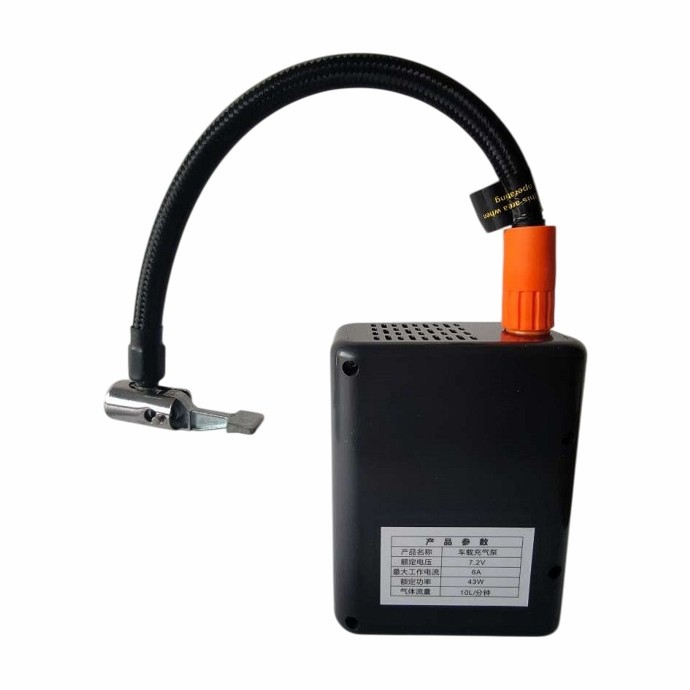
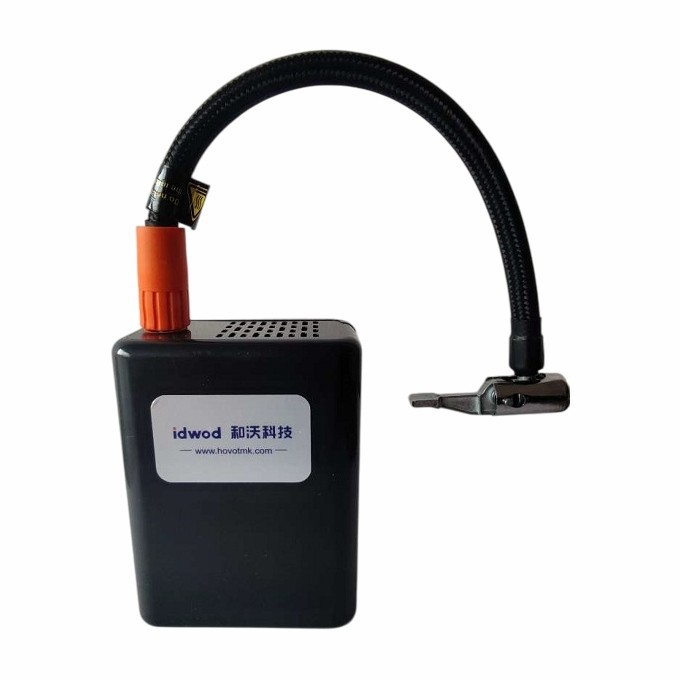
We offer a variety of Tire Sealant Kits, like the Electric Motorcycle Tire Sealant and Inflator, Motorcycle Tire Sealant and Inflator, and E - Vehicle Tire Sealant and Inflator. Each is designed to meet the specific needs of different types of vehicles.
How Wet Conditions Affect Tire Sealant Performance
Impact on Sealant Mobility
When it's wet outside, water can get into the tire through the puncture. This water can mix with the sealant inside the tire. Now, the sealant is designed to be thick and sticky so it can form a good plug at the puncture site. But when water dilutes it, the sealant becomes thinner.
A thinner sealant might not be as effective at plugging the hole right away. It could take longer for the sealant to build up enough to form a proper seal. In some cases, if there's a lot of water in the tire, the sealant might not be able to form a strong enough plug at all, and air could still leak out slowly.
The Role of Surface Tension
Water has a high surface tension. When the sealant tries to reach the puncture site in a wet tire, the surface tension of the water can create a barrier. The sealant has to break through this water layer to get to the hole. This can slow down the sealing process and make it more difficult for the sealant to do its job effectively.
Rust and Corrosion Concerns
Wet conditions also increase the risk of rust and corrosion inside the tire. If the water in the tire contains salts or other corrosive substances (like from road de - icers in winter), it can damage the metal parts of the valve stem and the inner rim of the tire.
Our Tire Sealant Kits are formulated to be anti - corrosive to some extent. But in really harsh wet conditions, over time, the combination of water and sealant might not be enough to completely prevent rust and corrosion. This can not only affect the performance of the sealant but also the overall health of the tire.
Our Tire Sealant Kits' Response to Wet Conditions
Special Formulation
We've worked hard to develop a sealant formula that can better withstand wet conditions. Our sealants contain special polymers that are designed to maintain their viscosity even when mixed with a certain amount of water. This means that even if water gets into the tire, the sealant can still form a relatively strong plug at the puncture site.
The polymers also help the sealant break through the water's surface tension more easily. They reduce the surface tension of the water - sealant mixture, allowing the sealant to reach the puncture faster and start the sealing process more quickly.
Quick - Acting Sealant
Our Tire Sealant Kits are engineered to work fast. In wet conditions, where the sealing process can be slower, this quick - acting feature is even more important. Once the sealant is injected into the tire, it starts to search for the puncture right away. It doesn't waste time getting through the water layer and begins to form a plug as soon as it reaches the hole.
Anti - Corrosion Properties
As I mentioned before, our sealants have anti - corrosion properties. They form a protective layer on the inner surface of the tire and the valve stem. This layer helps to prevent rust and corrosion, even when there's water inside the tire. So, you don't have to worry too much about the long - term damage to your tire due to wet conditions.
Real - World Testing in Wet Conditions
We've conducted numerous real - world tests to see how our Tire Sealant Kits perform in wet conditions. We set up scenarios where we intentionally punctured tires in the rain and then used our kits to seal them.
In most cases, our sealants were able to seal the punctures effectively, even though the process took a bit longer compared to dry conditions. The tires were able to hold air for a sufficient amount of time to get the vehicle to a safe place for a more permanent repair.
We also monitored the tires over time to check for rust and corrosion. After several weeks of exposure to wet conditions, we found that the anti - corrosion properties of our sealants were working well. There was minimal rust and corrosion on the inner parts of the tires.
Tips for Using Tire Sealant Kits in Wet Conditions
Pre - Check the Tire
Before using the Tire Sealant Kit in wet conditions, try to remove as much water as possible from the tire. You can do this by gently tilting the vehicle to let the water drain out through the puncture if it's big enough. This will reduce the amount of water that the sealant has to deal with inside the tire.
Follow the Instructions Carefully
Make sure to follow the instructions that come with our Tire Sealant Kit. The instructions will tell you the correct way to inject the sealant and inflate the tire. In wet conditions, it might be a bit more challenging, but following the steps precisely will increase the chances of a successful seal.
Inspect the Tire Later
After using the Tire Sealant Kit in wet conditions, it's a good idea to inspect the tire later. Check for any signs of air leakage or rust. If you notice any problems, you can take the tire to a professional for a more thorough inspection and repair.
Conclusion
So, there you have it! Our Tire Sealant Kits are designed to perform well even in wet conditions. While wet weather can present some challenges to the sealing process, our special formulation, quick - acting features, and anti - corrosion properties help to overcome these issues.
Whether you're riding an electric motorcycle, a regular motorcycle, or an e - vehicle, our Electric Motorcycle Tire Sealant and Inflator, Motorcycle Tire Sealant and Inflator, and E - Vehicle Tire Sealant and Inflator are here to keep you on the road safely.
If you're interested in our high - quality Tire Sealant Kits or have any questions about their performance in wet conditions or other aspects, feel free to reach out to us for procurement and further discussions.
References
- Tire Technology International. "The Impact of Environmental Conditions on Tire Sealant Performance." 2022.
- Automotive Research Journal. "Developing Tire Sealants for Harsh Weather Conditions." 2021.