

As a trusted supplier of tricycle tire sealant, I often encounter various questions from customers. One query that has popped up recently is whether tricycle tire sealant can be used on tricycles equipped with a rearview mirror. In this blog post, I'll delve into this topic, exploring the technical aspects, practicalities, and benefits to provide a comprehensive answer.
Understanding Tricycle Tire Sealant
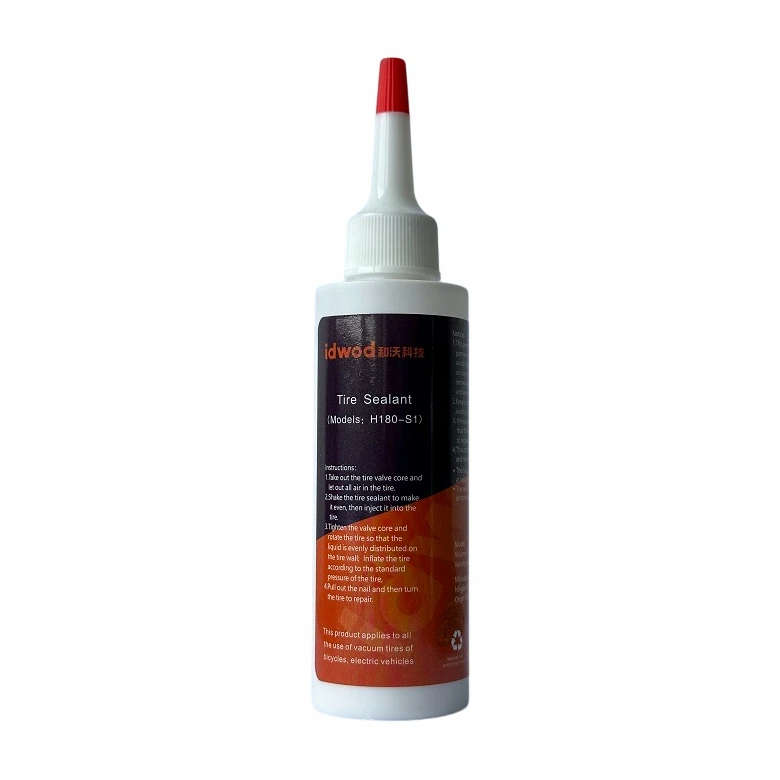
Before we tackle the question at hand, it's essential to understand what tricycle tire sealant is and how it works. Tricycle tire sealant is a liquid substance typically made of natural or synthetic polymers, along with other additives. When injected into the tire, it coats the inner surface and forms a flexible layer. In the event of a puncture, the sealant is forced into the hole by the tire's air pressure. As the polymer fibers in the sealant interact with the air, they form a plug that seals the puncture, preventing air from escaping and allowing you to continue riding without immediate repairs.
There are different types of tire sealants available in the market, each designed for specific applications. For instance, E-Vehicle Tire Sealant is formulated to meet the unique requirements of electric vehicles, including tricycles. It offers enhanced durability and sealing performance to withstand the higher speeds and heavier loads associated with e-vehicles. Similarly, E-Bike Tire Sealant is optimized for electric bikes, providing reliable puncture protection and long-lasting performance. And Mountain Bike Tire Sealant is designed to handle the rough terrain and sharp objects commonly encountered in mountain biking.
Compatibility with Tricycles with Rearview Mirrors
Now, let's address the main question: Can tricycle tire sealant be used on tricycles with a rearview mirror? The short answer is yes. The presence of a rearview mirror on a tricycle has no direct impact on the functionality or compatibility of tire sealant. The sealant is designed to work within the tire, sealing punctures and preventing air loss, regardless of the additional accessories attached to the tricycle.
However, there are a few factors to consider when using tire sealant on tricycles with rearview mirrors. Firstly, ensure that the installation of the rearview mirror does not interfere with the tire or the valve stem. A misaligned or poorly installed rearview mirror could potentially cause damage to the tire or prevent the proper functioning of the valve, which could affect the performance of the sealant. Secondly, check the tire size and type recommended for your tricycle. Different tricycles may require different amounts and types of sealant, so it's important to follow the manufacturer's guidelines to ensure optimal performance.
Benefits of Using Tricycle Tire Sealant
Using tricycle tire sealant offers several benefits, regardless of whether your tricycle has a rearview mirror or not. Here are some of the key advantages:
- Puncture Protection: The primary benefit of tire sealant is its ability to seal punctures on the go. Whether you encounter a nail, glass shard, or other sharp object on the road, the sealant will quickly plug the hole and prevent air from escaping, allowing you to continue your journey without interruption.
- Convenience: With tire sealant, you no longer have to worry about carrying a spare tube or tools for emergency repairs. In the event of a puncture, the sealant will automatically seal the hole, saving you time and hassle.
- Cost Savings: By preventing flat tires, tire sealant can help you save money on tube replacements and repair costs in the long run. It also extends the lifespan of your tires by reducing the risk of damage from punctures.
- Safety: A flat tire can be dangerous, especially when riding at high speeds or in traffic. Tire sealant provides an added layer of safety by ensuring that your tires remain inflated and stable, reducing the risk of accidents.
How to Use Tricycle Tire Sealant
Using tricycle tire sealant is a relatively simple process. Here's a step-by-step guide on how to install it:
- Prepare the Tire: Remove the valve cap from the tire and use a valve core remover to remove the valve core. This will allow the sealant to be injected into the tire more easily.
- Shake the Sealant: Before using the sealant, shake the bottle well to ensure that the contents are thoroughly mixed.
- Inject the Sealant: Attach the sealant injector to the valve stem and slowly inject the recommended amount of sealant into the tire. Refer to the manufacturer's instructions for the correct amount of sealant based on your tire size.
- Reinstall the Valve Core: Once the sealant has been injected, reinstall the valve core and tighten it securely.
- Inflate the Tire: Use a tire pump to inflate the tire to the recommended pressure. Check the pressure with a tire pressure gauge to ensure that it is within the specified range.
- Rotate the Tire: After inflating the tire, rotate it several times to distribute the sealant evenly inside the tire.
Conclusion
In conclusion, tricycle tire sealant can be safely and effectively used on tricycles with a rearview mirror. The presence of a rearview mirror does not affect the compatibility or performance of the sealant, as long as the installation of the mirror does not interfere with the tire or the valve stem. Using tire sealant offers numerous benefits, including puncture protection, convenience, cost savings, and safety. By following the manufacturer's guidelines and proper installation procedures, you can ensure that your tricycle tires are protected against punctures and remain in optimal condition.
If you're interested in purchasing tricycle tire sealant or have any further questions, please don't hesitate to contact us for more information and to discuss your specific needs. We're here to help you find the right solution for your tricycle and ensure a smooth and hassle-free riding experience.

References
- Manufacturer's instructions for tricycle tire sealant
- Industry standards and best practices for tire maintenance and repair