

Hey there, fellow cyclists! As a supplier of Cycle Puncture Repair Kits, I've seen my fair share of flat tires and the process of getting them back in action. Today, I'm gonna walk you through how to re - install the tube after you've fixed it using our awesome repair kit.
First things first, let's talk about what you've achieved so far. You've identified the puncture, used our Cycle Puncture Repair Kit to patch it up, and now you're ready to put the tube back into the tire. It's an exciting step because it means you're almost back on the road.
Before you start, make sure you have all the tools you need. You'll need a good set of tire levers. These are essential for removing and re - installing the tire. And of course, you've got your repaired tube. Check it one more time to make sure the patch is secure. You don't want to go through all this trouble just to have another flat right away.
Now, let's get down to business. Start by deflating the tire completely. You can do this by pressing down on the valve stem. It's a simple step, but it makes the whole process a lot easier. Once the tire is flat, take a look at the inside of the tire. There might be some debris or sharp objects that caused the puncture in the first place. Use your fingers or a small tool to remove any foreign objects. You don't want them to cause another puncture in your newly repaired tube.
Next, it's time to start inserting the tube into the tire. Begin by putting the valve through the valve hole in the rim. Make sure it goes through smoothly. Once the valve is in place, start tucking the tube into the tire. Try to keep the tube as centered as possible inside the tire. This will prevent it from getting pinched when you put the tire back on the rim.

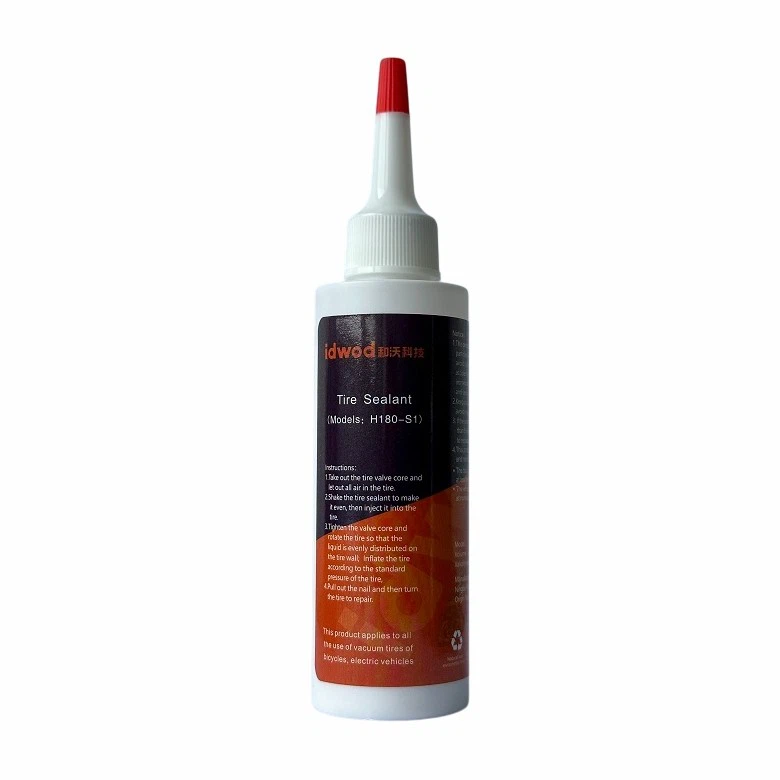
Now, here's where the tire levers come in handy. Take one of the levers and place it under the edge of the tire, near the valve. Gently pry the tire over the rim. Work your way around the rim, using the lever to gradually get the tire back on. Be careful not to pinch the tube while you're doing this. If you feel any resistance, stop and check to make sure the tube isn't getting caught.
As you're working around the rim, you might notice that it gets a bit tricky towards the end. That's normal. You can use a second tire lever to help you get the last bit of the tire over the rim. Just be patient and take your time. It might take a few tries, but you'll get it.
Once the tire is back on the rim, it's time to inflate it. But before you do that, give the tire a quick spin. Make sure it's seated evenly on the rim and that there are no bulges or uneven areas. If everything looks good, start inflating the tire. You can use a regular bike pump or, if you're looking for a more convenient option, check out our E - Bike Tire Sealant and Inflator. It not only inflates the tire but also seals any small punctures that might occur in the future.
For those of you who ride motorcycles, we also have a great option. Our Motorcycle Tire Sealant and Inflator is designed specifically for motorcycle tires. It's a must - have for any motorcycle enthusiast. And if you're a mountain biker, our Mountain Bike Tire Sealant and Inflator is perfect for those rough trails.
Keep inflating the tire until it reaches the recommended pressure. You can usually find this information on the side of the tire. Once the tire is properly inflated, give it another spin and a quick check. Make sure it's rolling smoothly and that there are no issues.
And there you have it! You've successfully re - installed the tube after repairing it with our Cycle Puncture Repair Kit. It might seem like a daunting task at first, but with a little practice, you'll be a pro in no time.
If you're interested in purchasing our Cycle Puncture Repair Kits or any of our other products, we'd love to hear from you. Whether you're a professional cyclist, a weekend rider, or a bike shop owner, we have the right products for you. Contact us to start a procurement discussion and find out how we can meet your needs.
References:
- Personal experience as a Cycle Puncture Repair Kit supplier
- General cycling knowledge and best practices