

Hey there! As a supplier of sealants and inflators, I've seen firsthand how crucial it is to choose the right products for your needs. Whether you're a casual rider, a professional cyclist, or just someone who wants to be prepared for a flat tire, picking the correct sealant and inflator can save you a lot of hassle and keep you rolling smoothly. In this blog, I'll share some tips on how to make the best choice.
Understanding Your Needs
First things first, you need to figure out what kind of vehicle you'll be using the sealant and inflator for. Are you riding a bike, a motorcycle, or an electric vehicle? Each type of vehicle has different tire requirements, and you'll need products that are specifically designed for them.
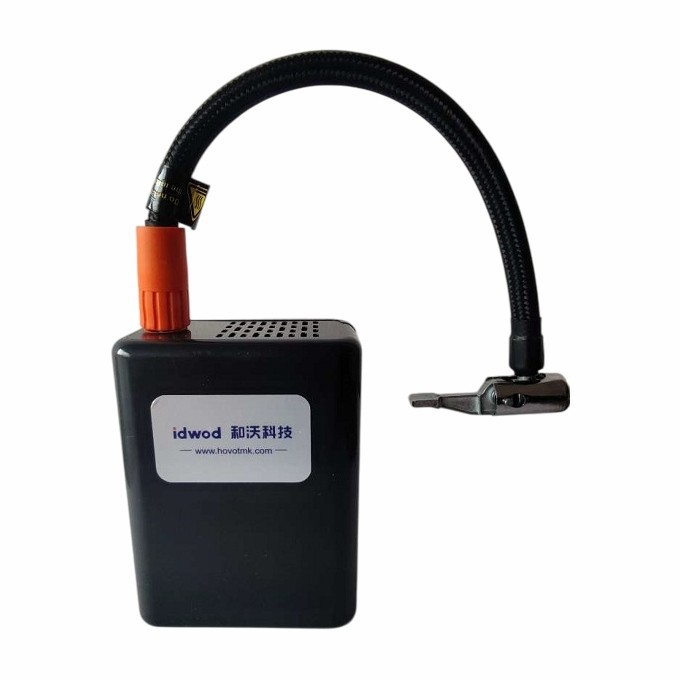
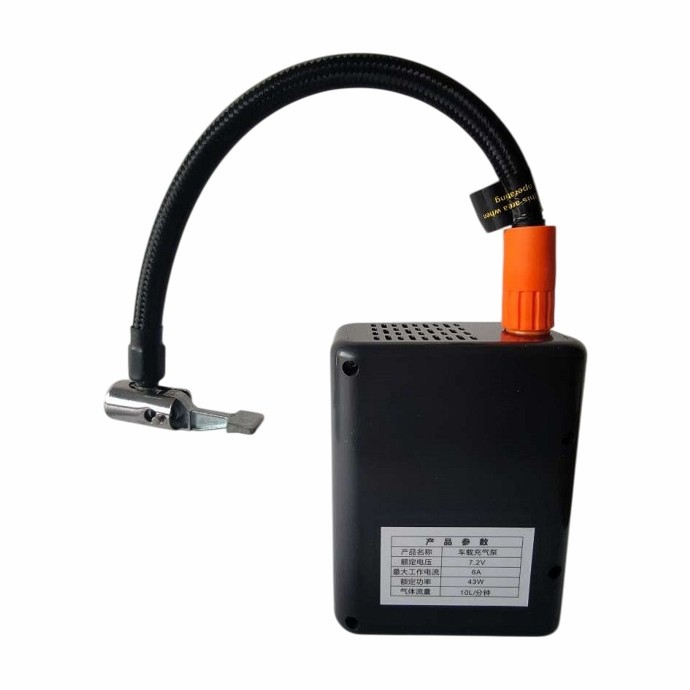
For example, if you're into Electric Motorcycle Tire Sealant and Inflator, you'll want a sealant that can handle the high speeds and unique tire construction of electric motorcycles. These sealants are often formulated to work well with the specific rubber compounds used in electric motorcycle tires and can provide long - lasting protection against punctures.
On the other hand, Motorcycle Tire Sealant and Inflator for traditional motorcycles might have different properties. They need to be tough enough to seal punctures quickly while also withstanding the vibrations and forces generated by a high - performance motorcycle engine.
If you're driving an e - vehicle, such as an electric car or an e - bike, E - Vehicle Tire Sealant and Inflator is the way to go. These products are tailored to the needs of e - vehicles, which often have lower rolling resistance tires and different air pressure requirements.
Types of Sealants
There are a few different types of sealants out there, and each has its own pros and cons.
Latex - based Sealants
Latex - based sealants are a popular choice for many cyclists. They're relatively inexpensive and work well for small punctures. When a nail or a piece of glass punctures the tire, the latex in the sealant forms a plug at the puncture site, sealing the hole and preventing air from escaping. However, they might not be as effective for larger punctures, and they can dry out over time, especially if the tire isn't used regularly.
Slime - type Sealants
Slime - type sealants are thicker and more viscous than latex - based ones. They can handle larger punctures better and are often more long - lasting. These sealants coat the inside of the tire and can self - seal multiple punctures. But they can be a bit messier to install and remove, and they might add a bit of weight to the tire.
Synthetic Sealants
Synthetic sealants are a newer option on the market. They're designed to be more environmentally friendly and can work well in a wide range of temperatures. They often have a faster sealing time than latex - based sealants and can handle both small and medium - sized punctures. However, they can be more expensive.
Types of Inflators
Just like sealants, there are different types of inflators to choose from.
Hand Pumps
Hand pumps are a classic choice. They're lightweight, portable, and don't require any power source. They're great for cyclists who want to be self - sufficient on the road. However, they can be time - consuming to use, especially if you need to inflate a large tire to a high pressure.
CO2 Inflators
CO2 inflators are quick and easy to use. They use small CO2 cartridges to inflate the tire in seconds. This is ideal for emergency situations when you need to get back on the road fast. But the cartridges are single - use, which means you'll need to carry extra ones with you, and they can be a bit expensive in the long run.
Electric Inflators
Electric inflators are convenient, especially if you have access to a power source. They can inflate tires quickly and accurately to the desired pressure. They're a good choice for people who do a lot of tire maintenance at home or in a workshop. However, they're not very portable, so they're not the best option for on - the - go repairs.
Considerations for Choosing
When you're choosing a sealant and an inflator, there are a few other things to keep in mind.
Compatibility
Make sure the sealant and inflator you choose are compatible with each other and with your tires. Some sealants might not work well with certain types of valves or inflators. For example, some latex - based sealants can clog the valve if used with a CO2 inflator.
Temperature Range
Think about the temperature conditions in which you'll be using your vehicle. Some sealants and inflators might not work as well in extreme cold or heat. Synthetic sealants, for example, are often better at maintaining their performance in a wider temperature range.
Ease of Use
If you're not very mechanically inclined, you'll want to choose products that are easy to use. Hand pumps are simple to operate, and electric inflators usually come with clear instructions. On the other hand, some sealants can be a bit tricky to install, so look for ones that have a user - friendly design.
Conclusion
Choosing the right sealant and inflator is all about understanding your needs, knowing the different types of products available, and considering factors like compatibility, temperature range, and ease of use. As a supplier, I've helped many customers find the perfect products for their vehicles. Whether you're looking for an Electric Motorcycle Tire Sealant and Inflator, a Motorcycle Tire Sealant and Inflator, or an E - Vehicle Tire Sealant and Inflator, I can provide you with high - quality options.
If you're interested in purchasing sealants and inflators, I'd love to have a chat with you. We can discuss your specific requirements and find the best products for you. Don't hesitate to reach out for a friendly discussion and potential purchase negotiation.
References
- "The Ultimate Guide to Tire Sealants" - Cycling Magazine
- "Inflator Types and Their Uses" - Automotive DIY Handbook