

Hey there, fellow tire enthusiasts! As a tire sealant supplier, I get asked a ton of questions about our products. One of the most common ones is, "Can I use the same tire sealant for different tire sizes?" Well, let's dive right into this topic and find out.
First off, let's understand what tire sealant does. Tire sealant is a liquid substance that you put inside your tires. Its main job is to seal up small punctures and leaks, so you don't have to worry about getting a flat tire right away. It's like having a little emergency repair kit inside your tire.
Now, when it comes to using the same sealant for different tire sizes, the short answer is: it depends. There are a few factors we need to consider.
Volume of the Tire
The most obvious factor is the volume of the tire. Larger tires have more space inside them compared to smaller ones. This means that a larger tire will require more sealant to effectively seal any punctures. For example, a big truck tire will need a lot more sealant than a small bicycle tire.
If you use too little sealant in a large tire, it might not be able to cover all the possible puncture points. On the other hand, using too much sealant in a small tire can be a waste and might even cause some issues. The extra sealant could make the tire heavier, which can affect the performance of your vehicle or bike.
Type of Tire
Different types of tires also have different requirements. For instance, Road Bike Tire Sealant is designed specifically for road bikes. These tires are usually thinner and have a different tread pattern compared to mountain bike tires. The sealant for road bikes needs to be able to seal small punctures quickly, as road bikes often encounter sharp objects like glass shards.
E-Vehicle Tire Sealant is another specialized type. E-vehicles, such as electric scooters and electric bikes, have different tire pressures and usage patterns. The sealant for these tires needs to be able to work well under the unique conditions of e-vehicle use.
Tricycle Tire Sealant is also tailored to the specific needs of tricycles. Tricycles have a different weight distribution and tire size compared to regular bicycles. The sealant for tricycles needs to be able to handle these differences to ensure proper sealing.
Puncture Risk
The risk of punctures can vary depending on where you use your vehicle or bike. If you ride your bike on rough, unpaved roads, you're more likely to get punctures compared to riding on smooth city streets. In areas with a high risk of punctures, you might need to use more sealant or a more heavy-duty type of sealant.
For example, if you have a mountain bike that you take on challenging trails, you'll want to use a sealant that can handle larger punctures. On the other hand, if you have a commuter bike that you use on well-maintained roads, a standard sealant might be sufficient.
Compatibility with the Tire
Not all tire sealants are compatible with all types of tires. Some sealants might react with certain types of rubber or inner tubes, causing damage over time. Before using a sealant, it's important to check the manufacturer's recommendations to make sure it's compatible with your tires.
For example, some sealants are only suitable for tubeless tires, while others can be used with both tubeless and tube-type tires. Using the wrong type of sealant can lead to problems like leaks or even tire failure.
So, Can You Use the Same Sealant?
In some cases, you can use the same sealant for different tire sizes, but you need to adjust the amount. If you have a range of tire sizes, you can use a multi-purpose sealant, but make sure to follow the recommended dosage for each tire size.
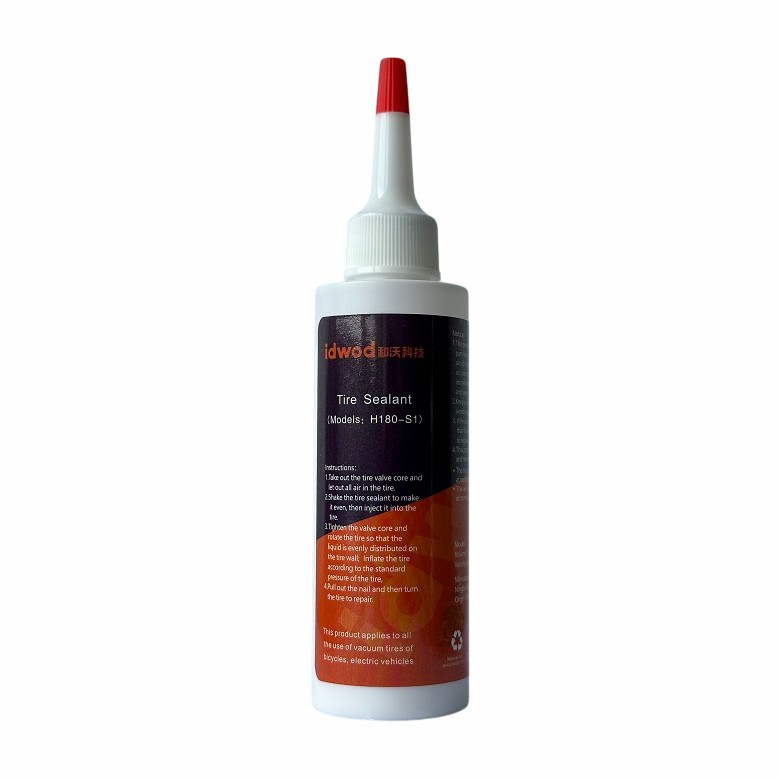

For example, if you have a small bicycle tire and a slightly larger one, you can use the same sealant, but add more to the larger tire. However, if you're dealing with very different types of tires, like a road bike tire and a truck tire, it's best to use a specialized sealant for each.
Benefits of Using the Right Sealant
Using the right sealant for your tire size and type has several benefits. First of all, it ensures better protection against punctures. A properly dosed and suitable sealant will be able to seal up punctures more effectively, reducing the risk of a flat tire.
Secondly, it can improve the performance of your vehicle or bike. Using the right amount of sealant won't add unnecessary weight, which means your vehicle or bike will run more smoothly.
Finally, it can extend the lifespan of your tires. By preventing punctures and leaks, the sealant helps to keep your tires in good condition for longer.
How to Choose the Right Sealant
When choosing a tire sealant, here are some things to keep in mind:
- Tire Size: As we've discussed, the size of your tire matters. Make sure to choose a sealant that comes with dosage recommendations for your specific tire size.
- Tire Type: Consider the type of tire you have, whether it's a road bike tire, an e-vehicle tire, or something else. Look for a sealant that is specifically designed for that type of tire.
- Usage: Think about where and how you use your vehicle or bike. If you ride on rough terrain, you'll need a more heavy-duty sealant.
- Compatibility: Check the manufacturer's instructions to make sure the sealant is compatible with your tires and inner tubes.
Conclusion
So, to answer the question, "Can I use the same tire sealant for different tire sizes?" It's possible in some cases, but you need to be careful. Adjust the amount of sealant according to the tire size, and make sure it's suitable for the type of tire you have.
As a tire sealant supplier, we offer a wide range of sealants to meet your needs. Whether you're looking for Road Bike Tire Sealant, Tricycle Tire Sealant, or E-Vehicle Tire Sealant, we've got you covered.
If you're interested in purchasing our tire sealants or have any questions, feel free to reach out to us. We're here to help you find the perfect sealant for your tires. Let's keep those tires rolling smoothly!
References
- Tire Industry Association. (2023). Tire Sealant Guidelines.
- Bicycle Manufacturer's Association. (2023). Best Practices for Tire Sealant Use.