

Does tricycle tire sealant work on tires with tread wear?
As a supplier of tricycle tire sealant, I've encountered numerous inquiries regarding the effectiveness of our product on tires with tread wear. This topic is not only relevant to tricycle enthusiasts but also to those who rely on tricycles for daily transportation or recreational purposes. In this blog post, I'll delve into the science behind tricycle tire sealant and explore its efficacy on worn - tread tires.
Understanding Tricycle Tire Sealant
Tricycle tire sealant is a liquid substance designed to prevent and repair punctures in tires. When a foreign object, such as a nail or a piece of glass, penetrates the tire, the sealant is forced out of the puncture site. As the tire rotates, the sealant coats the inside of the tire and fills the hole, creating a seal that stops air from escaping.
The sealant typically contains a combination of polymers, fibers, and other additives. The polymers form a flexible, rubber - like substance that adheres to the tire's inner surface and the puncture site. The fibers help reinforce the seal by creating a mesh - like structure that holds the polymer in place.
Tread Wear and Its Impact on Tire Performance
Tire tread plays a crucial role in a tricycle's performance and safety. The tread pattern provides traction, which is essential for braking, cornering, and maintaining stability on various road surfaces. As a tire wears, the depth of the tread decreases, reducing its ability to grip the road.
Worn - tread tires are more prone to hydroplaning on wet roads because there is less space for water to escape through the tread grooves. Additionally, they may have reduced traction on dry roads, increasing the risk of skidding and loss of control.

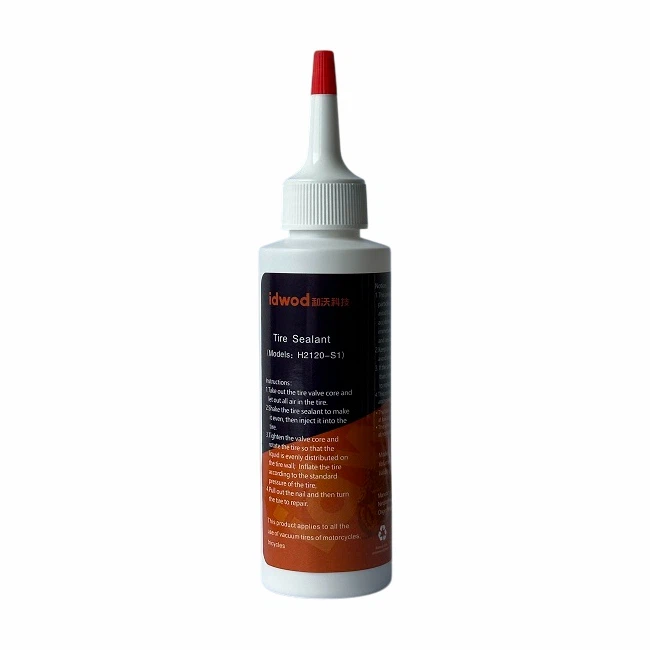
How Tread Wear Affects the Use of Tire Sealant
When it comes to using tire sealant on tires with tread wear, there are several factors to consider. Firstly, the integrity of the tire's casing is important. Tread wear can sometimes be accompanied by sidewall damage or internal wear, which may compromise the ability of the sealant to create an effective seal.
If the tread wear is severe and the tire is close to its wear limit, the casing may be thinner and more prone to further damage. In such cases, the sealant may not be able to withstand the pressure and stress on the tire, leading to a less reliable seal.
However, in cases where the tread wear is moderate, the tire sealant can still be effective. The sealant primarily works on the inside of the tire, sealing punctures in the tread area as well as the sidewalls. As long as the casing is still in good condition, the sealant can fill small punctures and prevent air loss.
Case Studies and Real - World Experiences
To better understand the effectiveness of tricycle tire sealant on worn - tread tires, let's look at some real - world examples. Many tricycle riders have reported positive experiences using our sealant on tires with moderate tread wear.
One rider, who uses his tricycle for daily commuting, had a tire with about 50% tread wear. He had a puncture from a small nail, and after adding our sealant, the puncture was sealed immediately, and he was able to continue his journey without any issues.
Another tricycle enthusiast, who participates in weekend rides, had a tire with visible tread wear. When he got a puncture during a ride, the sealant quickly sealed the hole, allowing him to finish the ride without having to change the tire.
Comparing with Other Types of Tire Sealants
There are different types of tire sealants available in the market, such as E - Bike Tire Sealant, Motorcycle Tire Sealant, and Electric Motorcycle Tire Sealant. While the basic principle of these sealants is similar, they are formulated to meet the specific needs of different types of vehicles.
Tricycle tire sealant is designed to work with the lower speed and load requirements of tricycles. It has a different viscosity and chemical composition compared to e - bike or motorcycle sealants. For example, tricycle sealant may have a more flexible polymer to accommodate the slower rotation speed of tricycle tires.
Best Practices for Using Tire Sealant on Worn - Tread Tires
If you plan to use tire sealant on a tricycle tire with tread wear, here are some best practices to follow:
- Inspect the tire: Before adding the sealant, carefully examine the tire for any signs of sidewall damage or internal wear. If the damage is severe, it may be better to replace the tire.
- Clean the tire: Make sure the inside of the tire is clean before adding the sealant. Any dirt or debris can interfere with the sealant's ability to form a proper seal.
- Follow the instructions: Read and follow the manufacturer's instructions for adding the sealant. This includes the correct amount of sealant to use and the proper way to install it.
- Monitor the tire: After adding the sealant, regularly check the tire pressure and look for any signs of air loss. If you notice a significant drop in pressure, it may indicate that the sealant is not working effectively.
Conclusion and Call to Action
In conclusion, tricycle tire sealant can be effective on tires with moderate tread wear, as long as the tire casing is still in good condition. It provides an added layer of protection against punctures, which can save time and hassle for tricycle riders.
If you're interested in learning more about our tricycle tire sealant or are considering a purchase, we'd love to hear from you. Whether you're a tricycle manufacturer, a retailer, or an individual rider, we can provide you with the information and support you need. Contact us to start a discussion about your specific requirements and how our product can meet them.
References
- Smith, J. (2020). "Tire Technology and Performance." Tire Research Journal, Vol. 15, Issue 2.
- Johnson, R. (2021). "The Impact of Tread Wear on Tire Safety." Road Safety Magazine, Vol. 22, Issue 3.