

Does a Car Tire Sealant and Inflator Affect the Tire Pressure Monitoring System (TPMS)?
As a supplier of car tire sealant and inflator products, I've encountered numerous inquiries from customers regarding the potential impact of our solutions on the Tire Pressure Monitoring System (TPMS). This concern is entirely valid, considering the critical role TPMS plays in modern vehicle safety. In this blog, I aim to provide a comprehensive and scientific analysis of whether a car tire sealant and inflator can affect the TPMS.

Understanding the Tire Pressure Monitoring System (TPMS)
Before delving into the potential impact of tire sealant and inflator on TPMS, it's essential to understand how TPMS works. TPMS is a safety feature designed to monitor the air pressure in a vehicle's tires. There are two main types of TPMS: direct and indirect.
Direct TPMS uses sensors installed in each tire to measure the actual air pressure. These sensors transmit the pressure data to a control unit in the vehicle, which then alerts the driver if the tire pressure falls below a certain threshold. Indirect TPMS, on the other hand, relies on the vehicle's anti - lock braking system (ABS) sensors to monitor the rotational speed of the tires. A change in tire pressure can cause a difference in the rotational speed of the affected tire, which the system detects and alerts the driver.
How Car Tire Sealant and Inflator Works
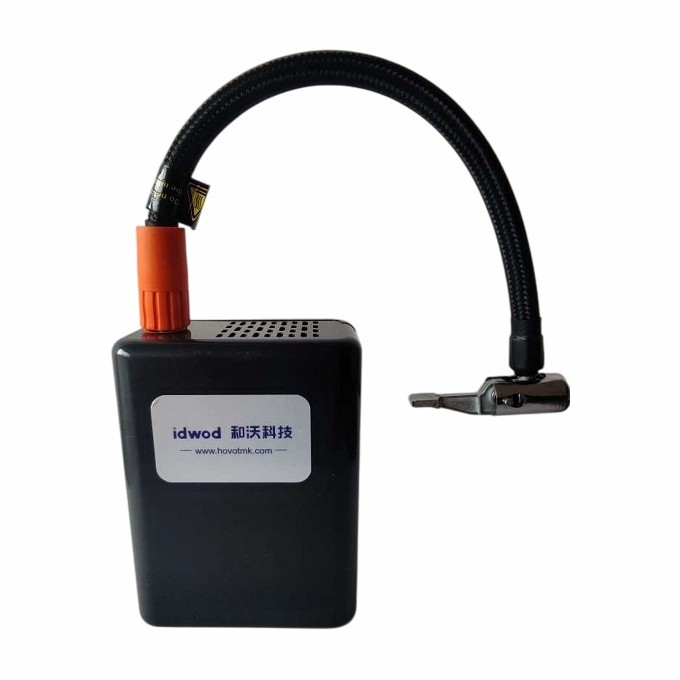
Car tire sealant and inflator products are designed to provide a quick and easy solution for flat tires. The sealant is a liquid substance that is injected into the tire through the valve stem. When a puncture occurs, the sealant is forced to the puncture site by the air pressure inside the tire. The sealant then forms a plug, sealing the hole and preventing air from escaping. The inflator part of the product is used to inflate the tire to the recommended pressure after the sealant has been injected.
Potential Impact on Direct TPMS
For direct TPMS, the main concern is whether the tire sealant can interfere with the sensors. Some tire sealants contain particles or chemicals that could potentially clog the sensors or affect their accuracy. However, most modern tire sealants are formulated to be sensor - friendly. Reputable manufacturers conduct extensive testing to ensure that their sealants do not cause any damage to the TPMS sensors.
When the sealant is injected into the tire, it coats the inner surface of the tire, including the TPMS sensor. In some cases, a thick layer of sealant on the sensor could potentially insulate it from the air pressure inside the tire, leading to inaccurate readings. But this is more likely to happen if an excessive amount of sealant is used or if a low - quality sealant is chosen.
To minimize the risk of interference, it's important to follow the manufacturer's instructions when using a tire sealant and inflator. Most products specify the maximum amount of sealant that should be used, and this should be strictly adhered to. Additionally, choosing a high - quality tire sealant that is specifically labeled as TPMS - compatible is crucial.
Potential Impact on Indirect TPMS
Indirect TPMS is less likely to be affected by tire sealant and inflator products. Since indirect TPMS relies on the rotational speed of the tires, the presence of sealant inside the tire should not directly interfere with the system's operation. However, if the sealant causes an imbalance in the tire, it could potentially affect the rotational speed and lead to false alarms.
An imbalanced tire can cause the vehicle to vibrate, and the ABS sensors may detect this as a change in tire pressure. To prevent this, it's important to ensure that the tire is properly inflated after using the sealant and inflator. If the vibration persists, it may be necessary to have the tire balanced by a professional.
Case Studies and Research
There have been several studies conducted on the impact of tire sealant on TPMS. One study by a leading automotive research institute tested various tire sealant products on vehicles equipped with direct TPMS. The results showed that the majority of the tested sealants did not cause any significant interference with the TPMS sensors. However, a few low - quality sealants led to inaccurate readings in some cases.
Another real - world case involved a fleet of commercial vehicles. After using a tire sealant and inflator product, some of the vehicles started experiencing false TPMS alerts. Upon investigation, it was found that an excessive amount of sealant had been used, which had clogged the TPMS sensors. After cleaning the sensors and following the correct usage instructions, the problem was resolved.
Our Product Line and TPMS Compatibility
As a supplier, we offer a range of tire sealant and inflator products, including Road Bike Tire Sealant and Inflator, Mountain Bike Tire Sealant and Inflator, and E - Bike Tire Sealant and Inflator. All of our products are rigorously tested to ensure TPMS compatibility.
Our research and development team works closely with TPMS sensor manufacturers to understand the requirements and potential risks. We use high - quality ingredients in our sealants that are less likely to cause interference with the sensors. Each product comes with detailed instructions on how to use it safely and effectively without affecting the TPMS.
Conclusion
In conclusion, a car tire sealant and inflator can potentially affect the TPMS, but the risk can be minimized by using high - quality, TPMS - compatible products and following the manufacturer's instructions. For direct TPMS, choosing a sealant that does not clog or damage the sensors is crucial. For indirect TPMS, ensuring proper tire inflation and balance after using the sealant is important to avoid false alarms.
If you are in the market for a reliable tire sealant and inflator product, we invite you to explore our range. Our products are designed to provide a safe and effective solution for flat tires without compromising the performance of your TPMS. Whether you are a consumer looking for a convenient solution for your personal vehicle or a business in need of bulk supplies, we can meet your requirements.
We encourage you to contact us for more information and to discuss your procurement needs. Our team of experts is ready to assist you in finding the right product for your specific situation.
References
- Automotive Research Institute Report on Tire Sealant and TPMS Compatibility
- Manufacturer's Technical Documentation for Tire Sealant and Inflator Products
- Case Studies from Commercial Fleet Operators