

Sharp objects such as nails and glass are common hazards on the roads, and many drivers worry about their potential to cause car tyre punctures. As a dedicated Car Tyre Puncture Repair supplier, I have dealt with numerous cases of tyre damage caused by these sharp items. In this blog, I will explore the science behind how nails and glass can puncture car tyres, the factors that influence the likelihood of a puncture, and some preventive measures to protect your tyres.
The Mechanics of Tyre Punctures
To understand how sharp objects can puncture car tyres, it's essential to first understand the structure of a tyre. A typical car tyre consists of several layers, including the tread, the sidewall, and the inner liner. The tread is the part of the tyre that comes into contact with the road surface and provides traction. It is made of a thick, durable rubber compound designed to withstand wear and tear. The sidewall is the vertical part of the tyre that connects the tread to the wheel rim. It is thinner than the tread and is more vulnerable to damage. The inner liner is a layer of rubber that seals the tyre and prevents air from escaping.
When a sharp object like a nail or a piece of glass comes into contact with a tyre, it exerts a concentrated force on a small area of the tyre's surface. If the force is strong enough, it can penetrate the tread and reach the inner layers of the tyre. Once the sharp object penetrates the tyre, it creates a hole through which air can escape, leading to a puncture.
The force required to puncture a tyre depends on several factors, including the sharpness of the object, the angle at which it strikes the tyre, and the thickness and composition of the tyre's tread. A sharp, pointed object like a nail is more likely to puncture a tyre than a blunt object. Similarly, an object that strikes the tyre at a perpendicular angle is more likely to cause a puncture than an object that strikes the tyre at an oblique angle.
Factors Influencing the Likelihood of a Puncture
In addition to the sharpness and angle of the object, several other factors can influence the likelihood of a tyre puncture. These include:
- Tyre Pressure: Under-inflated tyres are more vulnerable to punctures than properly inflated tyres. When a tyre is under-inflated, the sidewalls are more likely to flex and bulge, making them more susceptible to damage from sharp objects. Maintaining the correct tyre pressure can help reduce the risk of punctures.
- Tyre Tread Depth: Worn-out tyres with low tread depth are more likely to be punctured than tyres with sufficient tread depth. The tread provides a cushion between the tyre and the road surface, and as it wears down, the tyre becomes more vulnerable to damage. Regularly checking your tyre tread depth and replacing your tyres when they reach the minimum legal limit can help prevent punctures.
- Driving Conditions: Driving on rough or debris-strewn roads increases the risk of encountering sharp objects and getting a puncture. Avoiding roads with a lot of construction work, gravel, or broken glass can help reduce the risk of punctures.
- Vehicle Weight: Heavier vehicles put more pressure on the tyres, increasing the risk of punctures. If you frequently carry heavy loads in your vehicle, make sure to adjust your tyre pressure accordingly and check your tyres regularly for signs of wear and damage.
Preventive Measures
While it's impossible to completely eliminate the risk of tyre punctures, there are several preventive measures you can take to reduce the likelihood of getting a puncture. These include:
- Regular Tyre Inspections: Regularly inspect your tyres for signs of wear, damage, or foreign objects embedded in the tread. Look for cuts, bulges, or uneven wear patterns, and check the tyre pressure using a reliable pressure gauge. If you notice any issues, have your tyres inspected by a professional as soon as possible.
- Proper Tyre Maintenance: Maintaining the correct tyre pressure, rotating your tyres regularly, and aligning your wheels can help extend the life of your tyres and reduce the risk of punctures. Refer to your vehicle's owner's manual for the recommended tyre pressure and maintenance schedule.
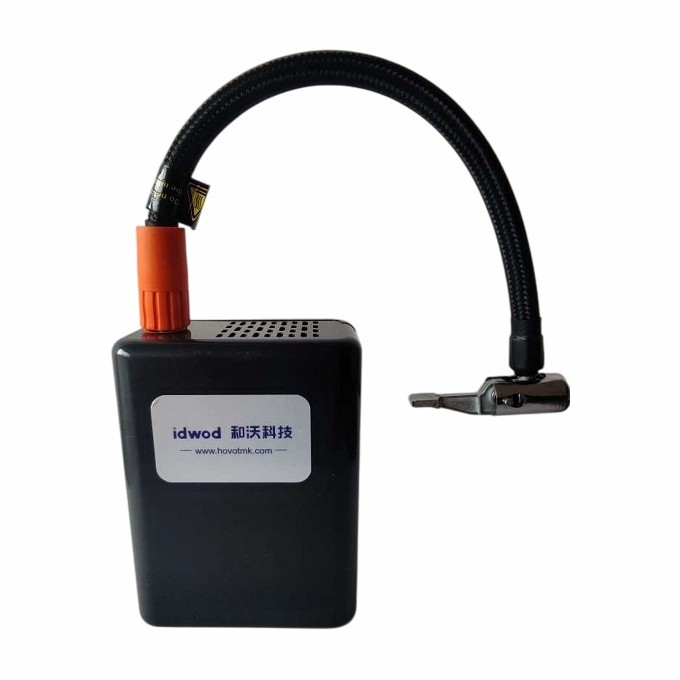
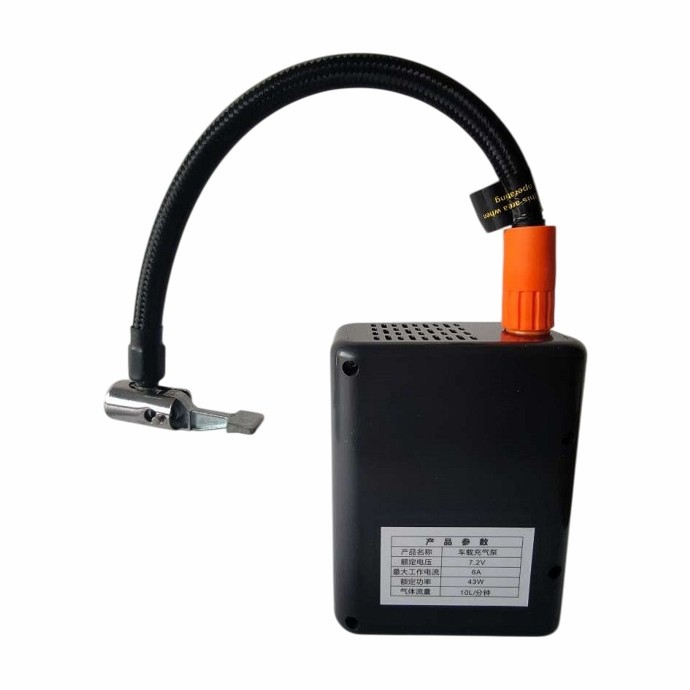
- Use of Tyre Sealants and Inflators: Tyre sealants and inflators can be a convenient and effective way to repair minor punctures on the go. These products work by sealing the hole in the tyre and inflating it to the correct pressure. There are different types of tyre sealants and inflators available for different types of vehicles, such as Tricycle Tire Sealant and Inflator, Road Bike Tire Sealant and Inflator, and Motorcycle Tire Sealant and Inflator. Make sure to choose a product that is compatible with your tyre type and follow the instructions carefully.
- Avoiding Hazardous Areas: Whenever possible, avoid driving on roads with a lot of debris, construction work, or other hazards. If you can't avoid these areas, drive slowly and carefully to reduce the risk of hitting a sharp object.
What to Do If You Get a Puncture
Despite your best efforts, you may still get a puncture at some point. If this happens, it's important to know what to do to ensure your safety and minimize the damage to your tyre. Here are the steps you should take:
- Pull Over Safely: As soon as you notice a puncture, pull over to a safe location away from traffic. Turn on your hazard lights and set up a warning triangle to alert other drivers.
- Assess the Damage: Carefully inspect the tyre to determine the extent of the damage. If the puncture is small and the tyre is still holding air, you may be able to use a tyre sealant and inflator to repair the puncture temporarily. If the puncture is large or the tyre is completely flat, you will need to replace the tyre with a spare tyre.
- Replace the Tyre: If you have a spare tyre, follow the instructions in your vehicle's owner's manual to replace the punctured tyre. Make sure to tighten the lug nuts securely and check the tyre pressure before driving.
- Seek Professional Help: If you're not comfortable replacing the tyre yourself or if you don't have a spare tyre, call a professional tyre repair service or a roadside assistance provider. They will be able to repair or replace your tyre quickly and safely.
Conclusion
In conclusion, sharp objects like nails and glass can indeed cause car tyre punctures. However, by understanding the mechanics of tyre punctures, the factors that influence the likelihood of a puncture, and taking appropriate preventive measures, you can reduce the risk of getting a puncture and keep your tyres in good condition. As a Car Tyre Puncture Repair supplier, I am committed to providing high-quality tyre repair services and products to help you keep your vehicle safe on the road. If you have any questions or need assistance with your tyres, please don't hesitate to contact us for a procurement discussion.
References
- "Tire Basics." National Highway Traffic Safety Administration.
- "How to Check Your Tire Tread." Consumer Reports.
- "Preventing Tire Punctures." AAA.