

Can car tire sealant be used on tires with a nail in them? This is a question that many car owners and enthusiasts often ponder. As a supplier of car tire sealant, I've encountered numerous inquiries regarding this very topic. In this blog, I'll delve into the science behind tire sealants, the circumstances under which they can be used on punctured tires, and the associated pros and cons.
Understanding Car Tire Sealant
Car tire sealant is a specially formulated liquid designed to seal small punctures in tires. It typically contains a combination of polymers, fibers, and other additives that work together to create a plug when they come into contact with air escaping from a puncture. When injected into a tire, the sealant coats the inner surface of the tire. As air leaks out through a puncture, the sealant is drawn into the hole. The polymers and fibers in the sealant then bond together, forming a seal that prevents further air loss.
Using Tire Sealant on Tires with a Nail
The short answer is yes, car tire sealant can be used on tires with a nail in them, but there are several important factors to consider.
The Size of the Puncture
Tire sealants are generally effective for sealing punctures up to a certain size. Most sealants can handle punctures from nails that are up to 1/4 inch in diameter. If the nail is larger than this, the sealant may not be able to create a reliable seal. In such cases, it's advisable to have the tire repaired or replaced by a professional.
The Location of the Puncture
The location of the nail in the tire also matters. Sealants work best for punctures in the tread area of the tire. Punctures in the sidewall are more challenging to seal because the sidewall is more flexible and experiences more stress during driving. If the nail is in the sidewall, using a tire sealant may not be a long - term solution, and the tire may need to be replaced.
The Condition of the Tire
The overall condition of the tire is another crucial factor. If the tire is already worn out, has significant damage other than the nail puncture, or is close to its tread life limit, using a tire sealant may not be the best option. In these cases, it's better to invest in a new tire.
The Process of Using Tire Sealant on a Punctured Tire
If you decide to use tire sealant on a tire with a nail in it, here's a general process:
- Safety First: Park your car on a flat, stable surface and engage the parking brake. Use wheel chocks if necessary. Put on safety glasses and gloves.
- Prepare the Sealant: Shake the tire sealant container well to ensure the contents are thoroughly mixed.
- Locate the Valve Stem: Remove the valve cap from the tire valve stem.
- Attach the Sealant Applicator: Connect the applicator tube of the sealant container to the valve stem.
- Inject the Sealant: Slowly squeeze or pump the sealant into the tire according to the manufacturer's instructions. The amount of sealant needed depends on the tire size.
- Remove the Nail (Optional): Some people prefer to remove the nail after injecting the sealant, while others leave it in. If you remove the nail, be prepared for a sudden rush of air, but the sealant should start working immediately to seal the hole.
- Inflate the Tire: Use a tire inflator to bring the tire pressure up to the recommended level.
- Test the Tire: Drive the car slowly for a short distance to allow the sealant to spread evenly inside the tire and form a proper seal. Check the tire pressure again after a few miles.
Advantages of Using Tire Sealant
- Convenience: Tire sealant provides a quick and easy solution for minor tire punctures. You can use it on the spot without having to change the tire or wait for roadside assistance.
- Cost - Effective: Compared to having a tire repaired or replaced at a shop, using tire sealant is a more affordable option.
- Temporary Fix: It can be a useful temporary fix to get you to a safe location or a tire repair shop.
Disadvantages of Using Tire Sealant
- Limited Effectiveness: As mentioned earlier, tire sealants have limitations in terms of the size and location of the puncture.
- Not a Permanent Solution: Tire sealant is a temporary fix. It may not last as long as a professional tire repair. Over time, the seal may break down, and the tire may start losing air again.
- Clean - Up: If you need to have the tire repaired later, the sealant can make the repair process more complicated and messy. The repair technician will need to clean the inside of the tire thoroughly before making a proper repair.
Other Types of Tire Sealants
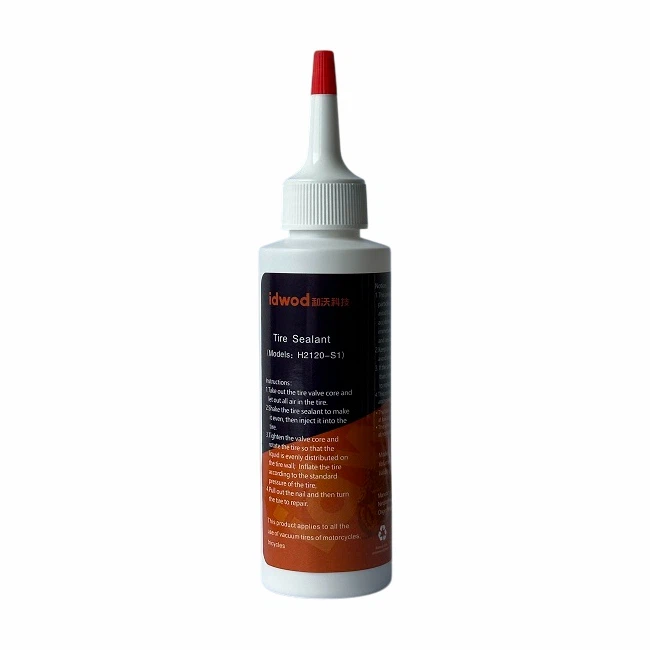
In addition to car tire sealants, there are also Motorcycle Tire Sealant, Mountain Bike Tire Sealant, and Road Bike Tire Sealant. These sealants are formulated specifically for the unique requirements of motorcycle and bike tires. Motorcycle tires, for example, have different tread patterns and speed ratings compared to car tires, so their sealants need to be able to withstand different conditions.
When to Seek Professional Help
While tire sealant can be a useful tool, there are situations where it's best to seek professional help:
- If the tire has multiple punctures.
- If the tire is losing air rapidly even after using the sealant.
- If the puncture is in the sidewall and the sealant doesn't seem to be working.
- If you're unsure about the condition of the tire or the effectiveness of the sealant.
Conclusion
In conclusion, car tire sealant can be used on tires with a nail in them under the right circumstances. It offers a convenient and cost - effective way to deal with minor tire punctures, but it has its limitations. As a car tire sealant supplier, I recommend carefully assessing the situation before using a sealant. If you have any doubts, it's always a good idea to consult a professional tire technician.
If you're interested in purchasing high - quality car tire sealant or any of our other tire sealant products, we'd love to have a discussion with you. Our products are designed to meet the highest standards of quality and performance. Contact us to start a procurement negotiation and find the best tire sealant solution for your needs.

References
- "Tire Repair Manual" by the Rubber Manufacturers Association
- "Automotive Tire Technology" by the Tire Industry Association