

Hey there! As a supplier of car tyre sealant and inflator, I often get asked this question: Can car tyre sealant and inflator be used on a motorcycle tyre? Well, let's dig into this topic and find out.
First off, let's understand what car tyre sealant and inflator are. Car tyre sealant is a liquid substance that's designed to seal small punctures in a tyre. When you inject it into a flat or under - inflated tyre, it fills the holes and prevents air from escaping. An inflator, on the other hand, is used to pump air into the tyre to bring it up to the proper pressure.
Now, let's talk about motorcycle tyres. Motorcycle tyres are different from car tyres in several ways. They're smaller, have a different tread pattern, and are built to handle the unique demands of a motorcycle, like high - speed cornering and quick acceleration.
Compatibility of Sealant
One of the main concerns when considering using car tyre sealant on a motorcycle tyre is compatibility. Car tyre sealants are formulated to work with the materials and construction of car tyres. Motorcycle tyres, however, may have different rubber compounds and internal structures.
Some car sealants might be too thick or have particles that could clog the valve stem or cause uneven wear on the motorcycle tyre. For example, if the sealant has large particles in it, these could get stuck in the narrow valve stem of a motorcycle tyre, making it difficult to inflate or deflate the tyre later.
On the positive side, there are some sealants that are multi - purpose and claim to work on both car and motorcycle tyres. These sealants are usually formulated with finer particles and a more flexible chemical composition. If you're considering using a car sealant on your motorcycle tyre, look for one that specifically says it's suitable for motorcycles. Check out our E - Bike Tire Sealant and Inflator and Electric Motorcycle Tire Sealant and Inflator products, which are designed to be compatible with a wide range of two - wheeled vehicles.
Inflation Considerations
When it comes to using a car inflator on a motorcycle tyre, the main thing to watch out for is the pressure output. Motorcycle tyres typically require a lower inflation pressure compared to car tyres. A standard car inflator might have a high - pressure output that could over - inflate a motorcycle tyre if not carefully monitored.
Most car inflators come with a pressure gauge, which is great. But you need to be extra cautious when using it on a motorcycle tyre. Make sure you know the recommended pressure for your motorcycle tyre, which can usually be found in the owner's manual or on a sticker near the swingarm.
Another aspect is the valve type. Car tyres usually use a Schrader valve, while many motorcycle tyres use a Presta valve. If your car inflator is designed for Schrader valves, you'll need an adapter to use it on a Presta - valve motorcycle tyre.
Performance and Safety
Using car tyre sealant and inflator on a motorcycle tyre can have an impact on performance and safety. If the sealant doesn't work properly, it could lead to a slow leak or even a sudden blowout while riding. And if the tyre is over - inflated, it can affect the handling of the motorcycle, making it more difficult to control, especially during turns.
On the other hand, if you use the right products and follow the correct procedures, it can be a convenient way to deal with a flat tyre on the go. For instance, if you're out on a long motorcycle ride and get a puncture, having a sealant and inflator on hand can save you from being stranded.
Types of Motorcycle Tyres
It's also important to consider the type of motorcycle you have. Different types of motorcycles, like street bikes, dirt bikes, and cruisers, have different tyre requirements. For example, a Street Trial Bike Tire Sealant and Inflator might need a sealant that can withstand the high - speed and high - stress conditions of street riding.
Dirt bike tyres, on the other hand, are exposed to more rough and uneven terrain. They might benefit from a sealant that can handle small cuts and abrasions better. So, make sure you choose a sealant and inflator that are appropriate for your specific type of motorcycle.
Cost - Effectiveness
From a cost - effectiveness perspective, using car tyre sealant and inflator on a motorcycle tyre can be a good option. Buying separate products for your car and motorcycle can be expensive. If you can find a multi - purpose sealant and inflator, it can save you some money in the long run.
However, you need to weigh the cost savings against the potential risks. If using a car product on your motorcycle tyre leads to problems, it could end up costing you more in the long run, like having to replace a damaged tyre or valve.
How to Use
If you decide to use car tyre sealant and inflator on your motorcycle tyre, here's a simple guide on how to do it:
- First, make sure you have the right adapter if your inflator is for a different valve type.
- Remove the valve cap from the motorcycle tyre.
- Attach the sealant container to the valve stem and inject the recommended amount of sealant.
- Then, attach the inflator and start pumping air into the tyre. Keep an eye on the pressure gauge and stop when you reach the recommended pressure.
- Spin the tyre a few times to distribute the sealant evenly.
Conclusion
So, can car tyre sealant and inflator be used on a motorcycle tyre? The answer is, it depends. There are some risks involved, mainly related to compatibility, performance, and safety. But if you choose the right products and follow the correct procedures, it can be a viable option.
As a supplier, I always recommend doing your research and choosing products that are specifically designed for motorcycles whenever possible. But if you're in a bind and need a quick fix, a multi - purpose car tyre sealant and inflator might do the job.
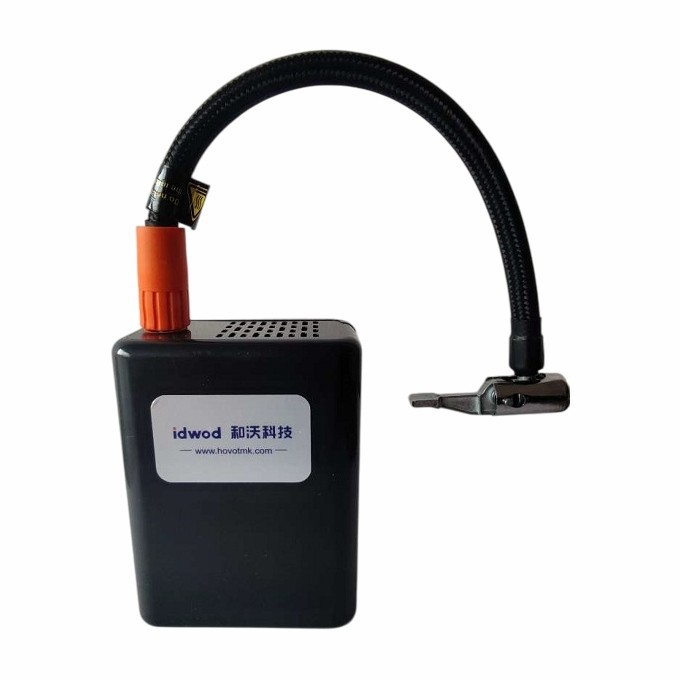

If you're interested in our range of tyre sealant and inflator products, whether for cars or motorcycles, feel free to reach out for more information and to discuss your procurement needs. We're here to help you find the best solution for your tyre maintenance requirements.
References
- Motorcycle Owner's Manuals
- Tyre Manufacturer Specifications
- Industry Reports on Tyre Sealants and Inflators