

Can a Tire Sealant Kit be used on a tire with a crack in the sidewall?
As a supplier of Tire Sealant Kits, I often encounter various questions from customers, and one of the most frequently asked is whether a tire sealant kit can be used on a tire with a crack in the sidewall. This is a crucial question that requires a detailed and scientific answer.
Understanding Tire Sealant Kits
Tire sealant kits are designed to provide a quick and convenient solution for minor tire punctures. They typically contain a sealant liquid that can be injected into the tire through the valve stem. Once inside the tire, the sealant coats the inner surface and forms a plug when it comes into contact with air escaping from a puncture. This effectively seals the hole and allows the tire to maintain its pressure, enabling the vehicle to continue moving safely for a certain distance until a proper repair can be made.
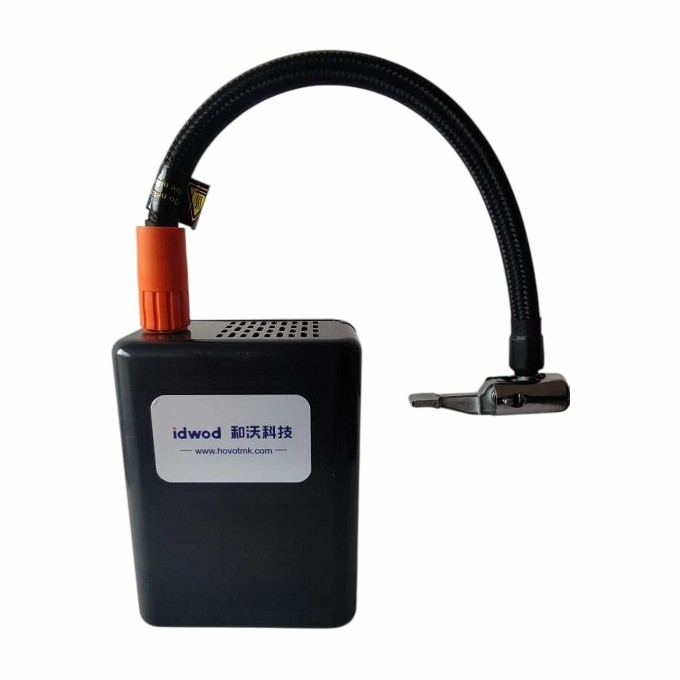
Our company offers a range of high - quality tire sealant kits, including Motorcycle Tire Sealant and Inflator, E - Bike Tire Sealant and Inflator, and Electric Motorcycle Tire Sealant and Inflator. These kits are formulated to work effectively on different types of tires, providing reliable sealing performance.
The Sidewall of a Tire
The sidewall of a tire is a critical part of its structure. It is responsible for supporting the weight of the vehicle, absorbing shocks from the road, and maintaining the shape of the tire. Unlike the tread area, which is thicker and more durable, the sidewall is relatively thin and more vulnerable to damage. Cracks in the sidewall can occur due to various reasons, such as age, exposure to harsh environmental conditions (e.g., extreme heat or cold, UV radiation), or physical impacts.

Using Tire Sealant on a Sidewall Crack
In general, using a tire sealant kit on a tire with a crack in the sidewall is not recommended. Here are the reasons:
Structural Integrity
The sidewall of a tire is under significant stress during normal operation. A crack in the sidewall compromises the structural integrity of the tire, and a tire sealant is not designed to restore this integrity. Sealants are primarily intended for sealing small punctures in the tread area, where the forces acting on the tire are more evenly distributed. A sidewall crack can continue to expand under the stress of driving, and the sealant may not be able to prevent this expansion. This can lead to sudden tire failure, which is extremely dangerous, especially at high speeds.
Pressure and Movement
The sidewall of a tire flexes constantly as the tire rotates. This flexing can cause the sealant to be displaced from the crack, preventing it from forming a permanent seal. Additionally, the internal pressure of the tire can force the sealant out of the crack, rendering the sealing ineffective. Unlike a puncture in the tread area, where the sealant can be held in place by the weight of the vehicle and the relatively stable contact with the road surface, a sidewall crack is subject to more dynamic forces that make it difficult for the sealant to work properly.
Safety Concerns
Safety is our top priority. Using a tire sealant on a sidewall crack does not address the root cause of the problem and may give a false sense of security. A tire with a sidewall crack should be replaced as soon as possible. Continuing to use a tire with a compromised sidewall, even after applying a sealant, can increase the risk of a blowout, which can result in loss of vehicle control, accidents, and serious injuries.
When to Use Tire Sealant
Tire sealant kits are most effective for small punctures (usually up to 1/4 inch in diameter) in the tread area of the tire. These punctures are typically caused by nails, screws, or other small objects on the road. When a puncture occurs, the sealant can quickly seal the hole, allowing you to continue your journey safely until you can reach a repair shop.
Alternatives for Sidewall Cracks
If you discover a crack in the sidewall of your tire, the best course of action is to replace the tire immediately. Do not attempt to use a tire sealant or drive on the damaged tire. It is important to have the tire inspected by a professional mechanic, who can determine the extent of the damage and recommend the appropriate replacement tire.
Conclusion
As a supplier of Tire Sealant Kits, I understand the importance of providing accurate information to our customers. While our tire sealant kits are highly effective for minor tread punctures, they are not suitable for use on tires with sidewall cracks. Safety should always be the primary consideration when dealing with tire issues.
If you have any questions about our tire sealant kits or need advice on tire maintenance, please feel free to contact us. We are always ready to assist you in making the right decisions for your vehicle's safety and performance. Whether you are looking for a Motorcycle Tire Sealant and Inflator, E - Bike Tire Sealant and Inflator, or Electric Motorcycle Tire Sealant and Inflator, our products are designed to meet your needs. Contact us today to start a procurement discussion and ensure you have the best tire sealant solution for your vehicles.
References
- Tire Industry Association. "Tire Safety and Maintenance Guide."
- National Highway Traffic Safety Administration. "Tire Safety Information."