

As a seasoned supplier of Car Tyre Puncture Repair Kits, I've encountered numerous inquiries from customers about the compatibility of our repair kits with tyres featuring different sidewall designs. This is a crucial topic that not only affects the functionality of the repair kit but also the safety and performance of the vehicle. In this blog, I'll delve into the technical aspects of tyre sidewall designs and explain whether our car tyre puncture repair kits can be used across various sidewall configurations.

Understanding Tyre Sidewall Designs
Tyre sidewalls are not just a simple rubber layer; they play a vital role in the overall performance and safety of a tyre. Different sidewall designs are engineered to meet specific requirements, such as load - carrying capacity, handling characteristics, and resistance to external factors.
One of the primary differences in sidewall designs is the ply rating. The ply rating refers to the number of layers of rubber - coated fabric in the tyre's structure. Tyres with a higher ply rating are generally more robust and can handle heavier loads. For example, commercial truck tyres often have a higher ply rating compared to passenger car tyres.
Another aspect is the sidewall construction technology. Some tyres feature reinforced sidewalls, which are designed to resist punctures and cuts. These reinforced sidewalls may use special materials like aramid fibers or additional layers of rubber. On the other hand, there are standard sidewalls that are more common in regular passenger vehicles and offer a balance between cost and performance.
The appearance of the sidewall can also vary, with some tyres having a smooth sidewall, while others have a ribbed or patterned design. These aesthetic differences may also have an impact on the tyre's handling and noise characteristics.
Compatibility of Car Tyre Puncture Repair Kits
The good news is that, in most cases, our car tyre puncture repair kits can be used on tyres with different sidewall designs. The basic principle of a puncture repair kit is to seal the hole in the tread area of the tyre, and the sidewall design has limited direct influence on this process.
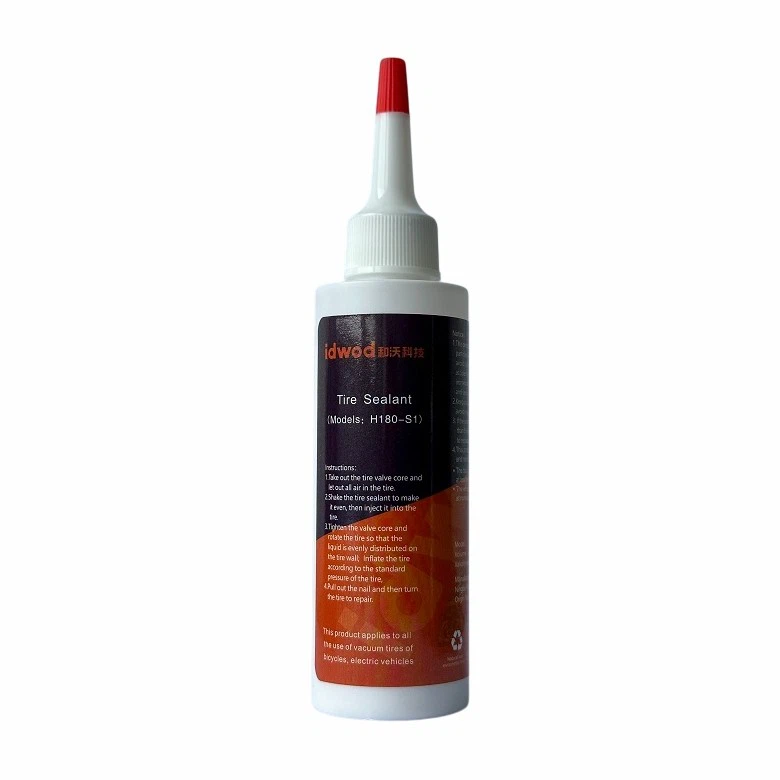
Our repair kits typically consist of a sealant and an inflation device. The sealant is formulated to flow into the puncture hole and create a durable seal. It works by reacting with the air and rubber inside the tyre to form a plug. As long as the puncture is in the tread area (which is the most common location for punctures), the sealant can effectively seal the hole regardless of the sidewall design.
However, there are some exceptions. If the puncture is located on the sidewall itself, the situation becomes more complicated. Sidewall punctures are generally more difficult to repair because the sidewall is subject to more flexing and stress during normal driving. Our repair kits are primarily designed for tread punctures, and using them on sidewall punctures may not provide a reliable or long - term solution.
In the case of tyres with reinforced sidewalls, while the repair kit can still seal tread punctures, the reinforced sidewall may affect the way the tyre responds to the repair. For instance, the reinforced materials may make the tyre stiffer, which could potentially put more stress on the seal created by the repair kit. In such cases, it's important to monitor the repaired tyre closely for any signs of leakage or abnormal wear.
Special Considerations for Different Tyre Types
When it comes to different types of vehicles and their corresponding tyres, there are additional factors to consider.
Passenger Cars
Passenger car tyres usually have a standard sidewall design that is relatively easy to repair using our puncture repair kits. These tyres are designed for everyday driving, and most punctures occur in the tread area. Our kits can quickly and effectively seal these punctures, allowing the driver to continue their journey safely.
SUVs and Light Trucks
SUVs and light trucks often carry heavier loads, and their tyres may have a higher ply rating or reinforced sidewalls. While our repair kits can still be used for tread punctures, it's important to ensure that the repaired tyre is not over - loaded. Overloading can put extra stress on the seal and may cause it to fail.
Bicycles
Although our main focus is on car tyre puncture repair kits, we also offer a range of products for bicycles. Our E - Bike Tire Sealant and Inflator, Road Bike Tire Sealant and Inflator, and Mountain Bike Tire Sealant and Inflator are specifically designed to meet the unique needs of bicycle tyres. Bicycle tyres have a much thinner sidewall compared to car tyres, and our sealants are formulated to work effectively in these smaller and more delicate tyres.
Testing and Quality Assurance
At our company, we conduct rigorous testing to ensure the compatibility of our car tyre puncture repair kits with a wide range of tyre sidewall designs. We test our kits on different types of tyres, including those with standard sidewalls, reinforced sidewalls, and various ply ratings.
Our testing process involves creating controlled punctures in the tread area of the tyres and then using our repair kits to seal them. We monitor the tyres under different driving conditions, including high - speed driving and varying load conditions, to ensure that the seal remains intact.
We also work closely with tyre manufacturers to stay updated on the latest tyre technologies and sidewall designs. This allows us to continuously improve our repair kits and ensure that they are compatible with the most advanced tyres on the market.
Conclusion and Call to Action
In conclusion, our car tyre puncture repair kits can generally be used on tyres with different sidewall designs, especially for tread punctures. However, it's important to understand the limitations, particularly when it comes to sidewall punctures.
If you're in the market for a reliable car tyre puncture repair kit or any of our bicycle tyre sealant and inflator products, we invite you to contact us for more information and to discuss your specific needs. Our team of experts is ready to assist you in finding the right solution for your tyre repair requirements.
References
- Tire and Rim Association (TRA) Standards Manual
- Rubber Manufacturers Association (RMA) Technical Information
- Various tyre manufacturer technical documents