

Encountering a flat tire is an inconvenience that can disrupt your day. Car tire sealant and inflators are designed to be a quick and easy solution for minor punctures, allowing you to get back on the road in no time. However, there are instances when these products may not work as expected. As a supplier of Car Tire Sealant and Inflator, I understand the frustration this can cause. In this blog post, I'll explore the reasons why a tire sealant and inflator might fail and provide practical steps to take when it does.
Reasons Why a Tire Sealant and Inflator Might Not Work
1. Large Punctures
Tire sealants are typically effective for small punctures, usually up to 1/4 inch in diameter. If the hole in your tire is larger than this, the sealant may not be able to plug it effectively. Large punctures can allow air to escape too quickly for the sealant to form a proper seal.
2. Improper Application
Correct application is crucial for the success of a tire sealant and inflator. If the product is not shaken well before use, the sealant particles may not be evenly distributed, reducing its sealing ability. Additionally, if the valve stem is not properly cleaned or if the inflation process is not carried out correctly, the sealant may not work as intended.
3. Tire Damage
Sometimes, the issue may not be with the sealant or inflator at all but with the tire itself. If the tire has internal damage, such as a sidewall bulge or a broken belt, the sealant will not be able to fix the problem. In these cases, the tire needs to be replaced.
4. Sealant Expiration
Like any other product, tire sealants have an expiration date. Using an expired sealant can significantly reduce its effectiveness. It's important to check the expiration date on the product before use and replace it if necessary.
What to Do If the Tire Sealant and Inflator Doesn't Work
1. Assess the Situation
The first step is to assess the situation carefully. Check the size of the puncture. If it's a large puncture, you may need to take more drastic measures. Also, inspect the tire for any other signs of damage, such as cuts or bulges. If you're unsure, it's best to err on the side of caution and seek professional help.
2. Try Again
If you suspect that the issue is due to improper application, you can try using the tire sealant and inflator again. Make sure to follow the instructions carefully. Shake the product well for at least one minute to ensure that the sealant particles are evenly distributed. Clean the valve stem thoroughly before attaching the inflator.
3. Use a Spare Tire
Most cars come equipped with a spare tire. If the tire sealant and inflator don't work, you can replace the flat tire with the spare. However, it's important to note that spare tires are usually designed for temporary use only. They have a lower speed rating and limited tread life. Make sure to drive to a tire repair shop as soon as possible to have the flat tire repaired or replaced.
4. Call for Roadside Assistance
If you don't have a spare tire or if you're not comfortable changing the tire yourself, you can call for roadside assistance. Many auto insurance policies include roadside assistance as an option. You can also use a third - party roadside assistance service. They will send a professional to your location to help you with the flat tire.
5. Visit a Tire Repair Shop
Once you've gotten your car to a safe location, take it to a tire repair shop. A professional technician will be able to inspect the tire thoroughly and determine the best course of action. They may be able to patch or plug the tire if the damage is minor. In more severe cases, they may recommend replacing the tire.
Preventive Measures
1. Regular Tire Inspections
Regularly inspect your tires for signs of wear and damage. Check the tire pressure at least once a month and before long trips. Low tire pressure can increase the risk of punctures and other tire problems.
2. Carry a Quality Tire Sealant and Inflator
As a supplier, I recommend carrying a high - quality Car Tire Sealant and Inflator. Make sure to choose a product that is suitable for your tire size and type. Also, check the expiration date regularly and replace the product as needed.
3. Consider Other Tire Protection Options
In addition to tire sealants and inflators, there are other tire protection options available. For example, you can install tire liners, which are placed inside the tire to prevent punctures. Another option is to use run - flat tires, which are designed to allow you to drive for a limited distance even after a puncture.
Our Product Offerings
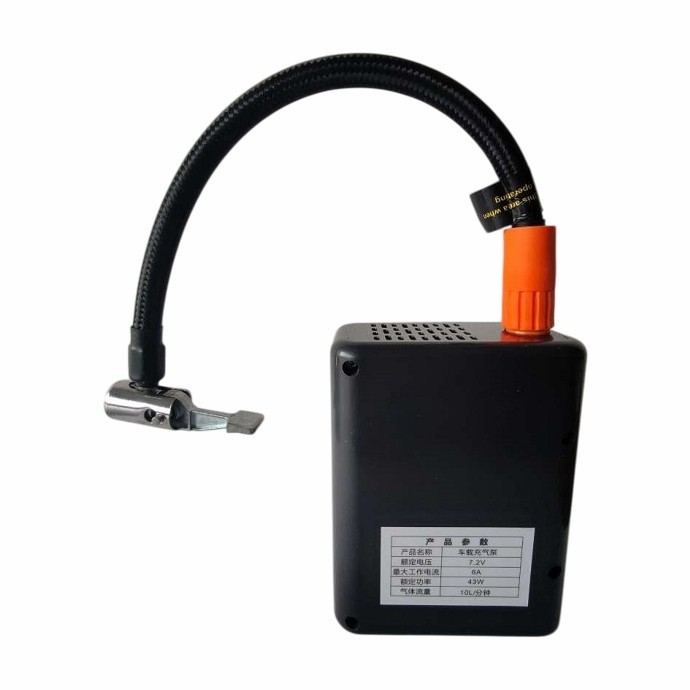
As a leading supplier of tire sealants and inflators, we offer a wide range of products to meet your needs. Our E - Vehicle Tire Sealant and Inflator is specifically designed for electric vehicles, providing a reliable solution for flat tires. We also have Electric Motorcycle Tire Sealant and Inflator for motorcycle enthusiasts.
Our products are made with high - quality materials and undergo rigorous testing to ensure their effectiveness. We are committed to providing our customers with the best possible products and services. If you're interested in our products, we invite you to contact us for more information and to discuss your purchasing needs.

Conclusion
While tire sealants and inflators are a convenient solution for flat tires, they may not always work. By understanding the reasons why they might fail and knowing what to do when they don't, you can be better prepared for unexpected flat tires. Remember to take preventive measures to reduce the risk of flat tires and to choose high - quality products. If you have any questions or if you're interested in purchasing our tire sealants and inflators, please don't hesitate to contact us. We look forward to serving you.
References
- "Tire Repair and Maintenance Guide," National Highway Traffic Safety Administration.
- "How to Use a Tire Sealant and Inflator," Consumer Reports.
- "Tire Sealant: What You Need to Know," Tire Rack.