

Hey there, fellow car enthusiasts! As a supplier of car tire sealant and inflator, I often get asked about the power sources of these nifty tools. So, I thought I'd take a deep dive into this topic and share everything you need to know.
First off, let's talk about why tire sealants and inflators are so important. A flat tire can be a real pain in the you - know - what, leaving you stranded on the side of the road. A good tire sealant and inflator combo can quickly patch up a puncture and inflate your tire, getting you back on the road in no time.
Now, onto the power sources. There are mainly three types of power sources for car tire sealants and inflators: battery - powered, plug - in (AC/DC), and compressed gas.
Battery - Powered
Battery - powered tire sealants and inflators are super convenient. They're portable, which means you can take them anywhere with you. You don't have to worry about finding an electrical outlet when you're in the middle of nowhere. Most of these devices use rechargeable batteries, like lithium - ion batteries. These batteries can hold a charge for a long time and are relatively lightweight.

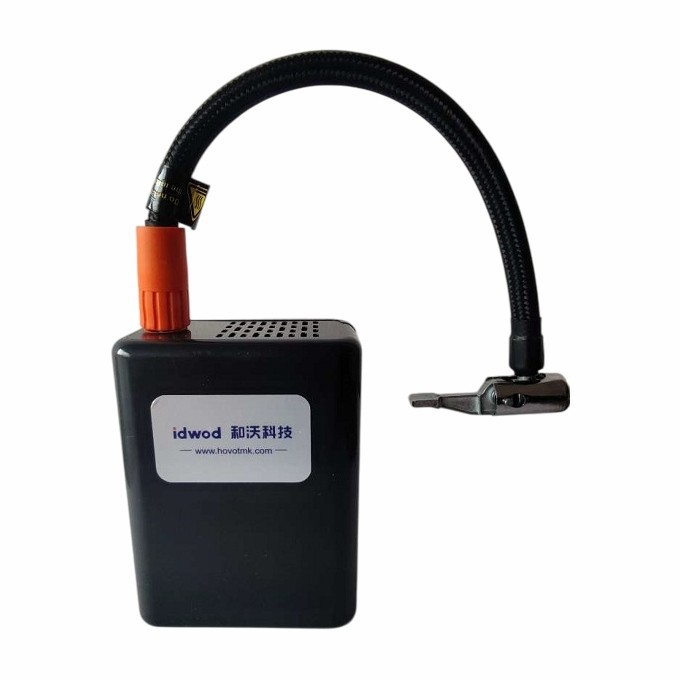
The advantage of battery - powered units is their ease of use. You just turn them on, connect the hose to your tire valve, and start inflating. They're also great for emergency situations. For example, if you're on a road trip and get a flat tire in a remote area, a battery - powered inflator can save the day.
However, there are some downsides. The battery life can be limited. If you have a large tire or need to inflate multiple tires, you might run out of battery before you're done. Also, if you forget to charge the battery, it won't be much help when you need it.
Plug - In (AC/DC)
Plug - in tire sealants and inflators come in two flavors: AC (alternating current) and DC (direct current). AC units are designed to be plugged into a standard household electrical outlet. These are great for home use. If you have a garage and want to keep your tires properly inflated, an AC - powered inflator is a good choice.
DC units, on the other hand, can be plugged into your car's cigarette lighter socket. This is extremely useful when you're on the road. You can use your car's electrical system to power the inflator. The power output of DC inflators is usually sufficient for most car tires.
One of the main advantages of plug - in inflators is that they don't rely on a battery. So, as long as you have access to a power source, you can keep using them. They also tend to have a more consistent power output compared to battery - powered units.
But there are limitations. AC units are not very portable since you need to be near an electrical outlet. DC units are limited by your car's electrical system. If your car's battery is weak, the inflator might not work properly.
Compressed Gas
Compressed gas tire sealants and inflators work a bit differently. Instead of using an electric motor to inflate the tire, they use compressed gas, usually nitrogen or carbon dioxide. These units come with a canister of sealant and compressed gas. When you attach the canister to your tire valve, the gas forces the sealant into the tire, patching up any holes as it inflates the tire.
The big advantage of compressed gas units is their simplicity. They're easy to use and don't require any electrical power. They're also very fast at inflating tires. In just a few minutes, you can have your tire patched and inflated.
However, there are some drawbacks. The canisters are single - use. Once you've used up the gas and sealant in the canister, you need to buy a new one. Also, compressed gas units are not suitable for large - scale tire inflation. They're mainly designed for small punctures in car tires.
Now, let's talk about some of the different types of vehicles and the tire sealants and inflators that are best suited for them. If you're into electric motorcycles, you might want to check out our Electric Motorcycle Tire Sealant and Inflator. It's designed to be lightweight and portable, perfect for those long rides on your electric bike.
For regular motorcycles, our Motorcycle Tire Sealant and Inflator is a great option. It can quickly patch up punctures and inflate your motorcycle tires, whether you're on the track or on the open road.
And if you have a tricycle, don't worry, we've got you covered too. Our Tricycle Tire Sealant and Inflator is specifically designed for tricycle tires, ensuring a proper seal and inflation.
As a supplier, I understand that choosing the right tire sealant and inflator can be a bit confusing. That's why we offer a wide range of products to suit different needs and budgets. Whether you're looking for a portable battery - powered unit or a reliable plug - in inflator, we have something for you.
If you're interested in our products or have any questions about the power sources or other features of our tire sealants and inflators, don't hesitate to reach out. We're here to help you make the best choice for your vehicle. Whether you're a professional mechanic or just an everyday driver, having a good tire sealant and inflator is essential for a smooth and safe ride. So, let's get in touch and start discussing your options for purchasing these great products.
References
- "Automotive Tire Technology" by the Rubber Manufacturers Association
- "The Complete Guide to Tire Maintenance" by various automotive experts