

As a supplier of E-Vehicle Tire Sealant, I've witnessed firsthand the growing demand for this innovative product in the electric vehicle market. With the increasing popularity of electric motorcycles, e-bikes, and other e-vehicles, ensuring optimal tire performance and safety has become paramount. One question that often arises is: What is the effect of E-Vehicle Tire Sealant on tire traction? In this blog post, I'll delve into this topic, exploring the science behind tire traction, how tire sealant can impact it, and the implications for e-vehicle riders.
Understanding Tire Traction
Tire traction refers to the grip between a tire and the road surface. It's a critical factor in vehicle safety, affecting acceleration, braking, and cornering. Several factors influence tire traction, including tire design, tread pattern, tire pressure, road conditions, and the type of vehicle. For e-vehicles, which often have high torque and rapid acceleration, maintaining good tire traction is especially important.
The tread pattern of a tire plays a significant role in providing traction. Tires are designed with grooves and channels that help displace water, snow, and debris from the contact patch, allowing the tire to maintain contact with the road. The depth and shape of the tread also affect traction, with deeper treads generally providing better grip in wet or slippery conditions.
Tire pressure is another crucial factor. Underinflated tires can increase the contact area between the tire and the road, but they also generate more heat and can lead to uneven wear. Overinflated tires, on the other hand, reduce the contact area and can decrease traction, especially in wet conditions. Maintaining the correct tire pressure is essential for optimal traction and tire performance.
How E-Vehicle Tire Sealant Works
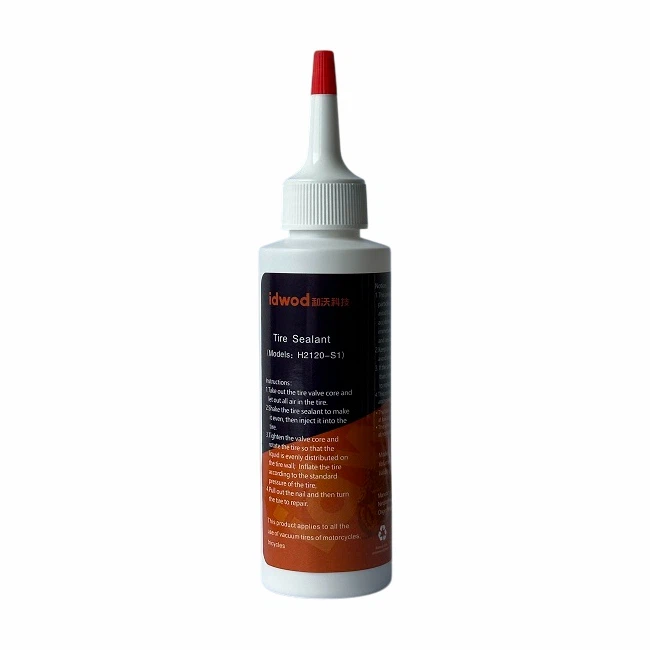
E-Vehicle Tire Sealant is a liquid compound that is injected into the tire through the valve stem. Once inside the tire, the sealant coats the inner surface and seals punctures as they occur. The sealant typically contains fibers, particles, and polymers that work together to form a plug when a puncture occurs, preventing air from escaping and allowing the vehicle to continue driving.
In addition to sealing punctures, E-Vehicle Tire Sealant can also provide other benefits. It can help balance the tire by distributing evenly inside the tire, reducing vibration and improving ride comfort. Some sealants also contain additives that can help prevent tire oxidation and extend the life of the tire.
The Effect of E-Vehicle Tire Sealant on Tire Traction
The impact of E-Vehicle Tire Sealant on tire traction is a complex issue that depends on several factors, including the type of sealant, the amount of sealant used, and the driving conditions. In general, when used correctly, E-Vehicle Tire Sealant should not have a significant negative impact on tire traction.
Most high-quality E-Vehicle Tire Sealants are designed to be lightweight and to flow freely inside the tire. This means that they do not significantly alter the balance or weight distribution of the tire, which could otherwise affect traction. Additionally, the sealant is applied to the inner surface of the tire, away from the contact patch with the road, so it does not directly interfere with the tire's ability to grip the road.
However, in some cases, an excessive amount of sealant or a poorly formulated sealant could potentially affect tire traction. If too much sealant is used, it could cause the tire to become unbalanced, leading to vibration and reduced traction. Additionally, some low-quality sealants may contain particles or fibers that could clump together or migrate to the contact patch, potentially reducing grip.
To minimize the risk of any negative impact on tire traction, it's important to choose a high-quality E-Vehicle Tire Sealant and to follow the manufacturer's instructions carefully. Most sealants recommend using a specific amount of sealant based on the size of the tire, and it's important to adhere to these guidelines.
Testing and Research
Numerous studies and tests have been conducted to evaluate the effect of tire sealants on tire traction. These tests typically involve measuring the traction of tires with and without sealant under various conditions, such as dry, wet, and icy roads.
In general, the results of these tests have shown that high-quality tire sealants have a minimal impact on tire traction. In fact, some studies have even suggested that tire sealants can improve traction in certain situations. For example, the fibers and particles in the sealant can help to increase the friction between the tire and the road surface, especially in wet or slippery conditions.
However, it's important to note that these results can vary depending on the specific sealant and tire combination. Different sealants have different formulations, and some may perform better than others in terms of maintaining traction. Additionally, the type of tire and its tread pattern can also influence the results.

Real-World Experience
Many e-vehicle riders have reported positive experiences with E-Vehicle Tire Sealant, both in terms of its ability to seal punctures and its impact on tire traction. Riders have found that using a tire sealant provides peace of mind, knowing that they are protected against flat tires.
In terms of traction, riders have generally not noticed any significant difference in the performance of their tires after using a sealant. Most riders report that their tires still provide good grip and handling, both on dry and wet roads. Some riders have even reported that they feel more confident on the road, knowing that their tires are protected against punctures.
Implications for E-Vehicle Riders
For e-vehicle riders, the use of E-Vehicle Tire Sealant can offer several benefits. In addition to providing protection against flat tires, it can also potentially improve tire traction in certain situations. However, it's important to be aware of the potential risks and to take steps to minimize them.
When choosing a tire sealant, riders should look for a product that has been tested and proven to be effective. They should also consider the specific needs of their e-vehicle, such as the type of riding they do and the conditions they typically encounter. For example, riders who frequently ride in wet or slippery conditions may want to choose a sealant that is specifically designed to improve traction in these conditions.
It's also important to remember that tire sealant is not a substitute for proper tire maintenance. Riders should still regularly check their tire pressure, inspect their tires for damage, and replace their tires when they are worn out.
Conclusion
In conclusion, E-Vehicle Tire Sealant can be a valuable addition to any e-vehicle. When used correctly, it can provide protection against flat tires and potentially improve tire traction in certain situations. While there is a potential for some negative impact on tire traction if the wrong sealant is used or if the instructions are not followed, high-quality sealants have been shown to have a minimal impact on traction.
As a supplier of E-Vehicle Tire Sealant, I am committed to providing our customers with the highest quality products and the latest information on tire safety and performance. We offer a range of E-Vehicle Tire Sealant products, including Motorcycle Tire Sealant and E-Bike Tire Sealant, all of which have been tested and proven to be effective.
If you're interested in learning more about our E-Vehicle Tire Sealant products or have any questions about their impact on tire traction, please don't hesitate to contact us. We're here to help you make the best choice for your e-vehicle and to ensure that you have a safe and enjoyable riding experience.
References
- [1] "Tire Sealant Testing: Traction and Performance" - Journal of Tire Technology
- [2] "Effect of Tire Sealants on Tire Traction" - National Highway Traffic Safety Administration
- [3] "Real-World Experience with E-Vehicle Tire Sealant" - E-Vehicle Rider Magazine