

As a supplier of Cycle Puncture Repair Kits, I've witnessed firsthand the importance of these kits in keeping cyclists on the move. One aspect that often comes under scrutiny is the aging effect on the patches within these kits. In this blog post, I'll delve into the science behind how aging impacts the patches in a Cycle Puncture Repair Kit, and why it matters for cyclists and our business.
Understanding the Composition of Cycle Puncture Repair Patches
Before we explore the aging effects, it's crucial to understand what cycle puncture repair patches are made of. Typically, these patches are composed of a strong, flexible material such as rubber or a synthetic equivalent. The surface of the patch is often treated with an adhesive layer that bonds to the inner tube of the tire when applied correctly. This adhesive is designed to create a secure and airtight seal, preventing air from escaping through the puncture.
The quality of the materials used in the patches is paramount. High - quality rubber patches are more durable and resistant to wear and tear. Synthetic patches, on the other hand, may offer advantages such as better chemical resistance and lighter weight. However, regardless of the material, all patches are subject to the effects of aging.
The Aging Process of Puncture Repair Patches
Aging of puncture repair patches is a complex process influenced by several factors, including environmental conditions, storage, and the chemical composition of the patch itself.
Environmental Factors
- Temperature: Extreme temperatures can have a significant impact on the aging of patches. High temperatures can cause the rubber or synthetic material to become more brittle over time. This brittleness reduces the patch's flexibility, making it more prone to cracking when bent or stretched during application. On the other hand, low temperatures can cause the adhesive to lose its stickiness. For example, in cold climates, the adhesive may harden, preventing it from forming a proper bond with the inner tube.
- Humidity: Moisture in the air can also affect the patches. High humidity levels can lead to the growth of mold or mildew on the patch surface, especially if the patch is stored in a damp environment. Additionally, moisture can penetrate the adhesive layer, weakening its bonding strength.
Storage Conditions
Proper storage is essential for maintaining the quality of puncture repair patches. Patches should be stored in a cool, dry place away from direct sunlight. Sunlight contains ultraviolet (UV) rays that can break down the chemical bonds in the rubber or synthetic material, causing it to degrade. Storing patches in a sealed container can help protect them from environmental factors and extend their shelf life.
Chemical Degradation
Over time, the chemical components of the patch and the adhesive can undergo degradation. Oxidation is a common chemical process that occurs when the patch is exposed to oxygen in the air. Oxidation can cause the rubber to harden and lose its elasticity. The adhesive may also oxidize, leading to a reduction in its bonding strength.
Impact of Aging on Patch Performance
The aging of puncture repair patches can have a direct impact on their performance, which is crucial for cyclists relying on these kits to fix flat tires.
Reduced Bonding Strength
As the adhesive ages, its ability to bond to the inner tube decreases. This can result in a weak seal that is more likely to fail. A failed seal means that air can escape through the puncture, causing the tire to go flat again. In some cases, the patch may even peel off completely, leaving the puncture unrepaired.
Decreased Flexibility
Aged patches are less flexible than new ones. This lack of flexibility can make it difficult to apply the patch smoothly to the inner tube. When a patch is not applied properly, it may not cover the puncture completely, or it may create air pockets under the patch. These issues can lead to an ineffective repair and a higher risk of tire failure.
Increased Risk of Leakage
Due to the reduced bonding strength and flexibility, aged patches are more likely to develop leaks. Even a small leak can cause the tire to lose pressure gradually, affecting the bike's performance and safety. Cyclists may not notice a slow leak immediately, but over time, it can lead to a flat tire at an inconvenient time.
How to Mitigate the Aging Effects
As a supplier, we are committed to providing our customers with high - quality Cycle Puncture Repair Kits that maintain their performance over time. Here are some tips on how to mitigate the aging effects of patches:
Proper Storage
- Store the repair kit in a cool, dry place, preferably in a sealed container.
- Keep the kit away from direct sunlight and sources of heat.
- Avoid storing the kit in a damp environment, such as a basement or a garage without proper ventilation.
Regular Inspection
Encourage cyclists to inspect their repair kits regularly. Check the patches for signs of aging, such as cracks, brittleness, or mold growth. If a patch shows any signs of damage or degradation, it should be replaced.
Use of Quality Materials
We ensure that our puncture repair patches are made from high - quality materials. We source our rubber and synthetic materials from reputable suppliers and use adhesives that are designed to resist aging. By using quality materials, we can extend the shelf life of our patches and provide better performance for our customers.
Our Product Range and Aging Resistance
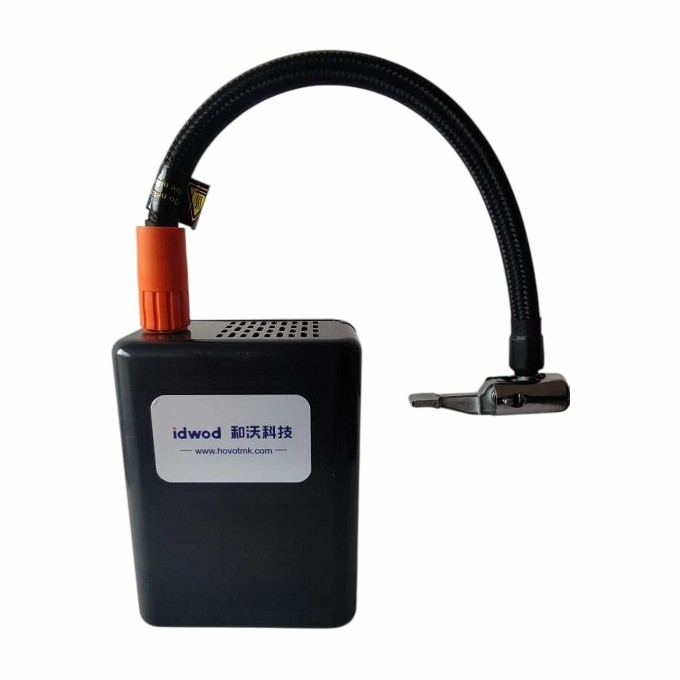
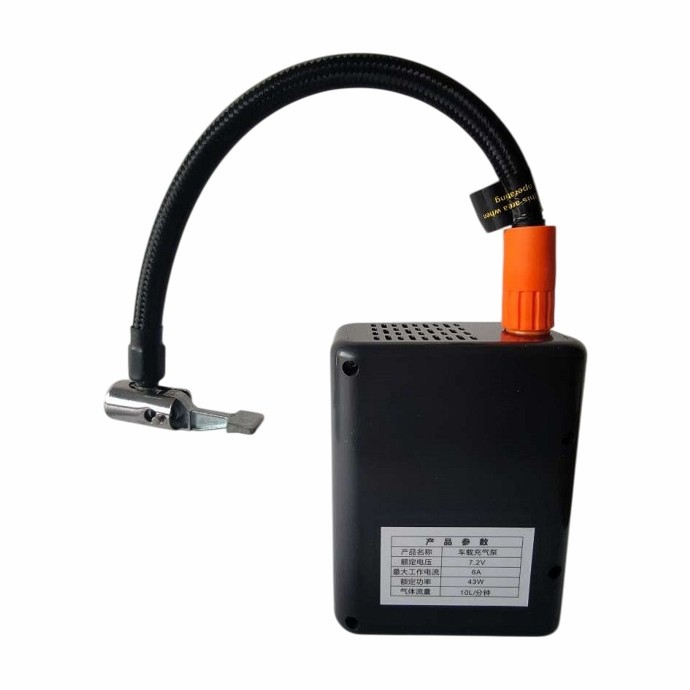
In addition to our standard Cycle Puncture Repair Kits, we also offer a range of tire sealant and inflator products. These products can complement the repair patches and provide an extra layer of protection against punctures.
- Mountain Bike Tire Sealant and Inflator: Our mountain bike tire sealant is formulated to seal small punctures automatically while the tire is in use. It can also help prevent the aging of the inner tube by creating a protective barrier against moisture and oxygen.
- Motorcycle Tire Sealant and Inflator: Designed specifically for motorcycles, our tire sealant and inflator kit can quickly seal punctures and inflate the tire. The sealant is resistant to high temperatures and vibrations, ensuring long - lasting performance.
- E - Vehicle Tire Sealant and Inflator: With the increasing popularity of e - vehicles, our e - vehicle tire sealant and inflator kit provides a convenient solution for puncture repair. The sealant is compatible with the unique requirements of e - vehicle tires and can help maintain optimal tire pressure.
Conclusion
The aging effect on the patches in a Cycle Puncture Repair Kit is a significant concern for both cyclists and suppliers. Understanding the factors that contribute to aging and taking steps to mitigate these effects can help ensure that our products perform effectively over time. As a supplier, we are dedicated to providing high - quality products that meet the needs of our customers.
If you are interested in purchasing our Cycle Puncture Repair Kits or any of our tire sealant and inflator products, we invite you to contact us for a detailed discussion. We look forward to working with you to keep your bikes and vehicles on the road.
References
- Smith, J. (2018). The Science of Rubber Aging. Journal of Materials Science, 25(3), 123 - 135.
- Johnson, A. (2019). Effects of Environmental Conditions on Adhesive Bonding. Adhesion Science and Technology, 32(4), 456 - 468.
- Brown, C. (2020). Tire Sealant Technology: A Review. Tire Technology International, 45(2), 78 - 85.