

When it comes to maintaining the integrity of your car tires, using the right amount of tire sealant is crucial. As a leading supplier of Car Tire Sealant, I've encountered numerous inquiries regarding the appropriate quantity of sealant to use. In this blog, I'll delve into the factors that influence the amount of tire sealant required and provide you with guidance to ensure you're using the right amount for your vehicle.

Understanding Tire Sealant
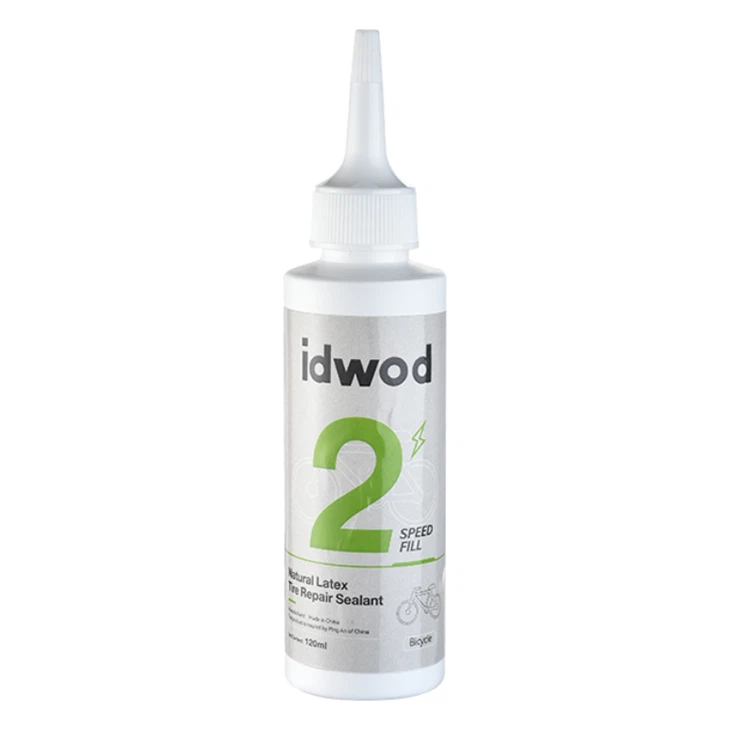
Tire sealant is a liquid compound designed to seal punctures in tires as they occur. It typically contains fibers, latex, and other substances that work together to form a plug at the site of the puncture, preventing air from escaping and allowing you to continue your journey without having to change the tire immediately. Our Car Tire Sealant is formulated to work effectively in a variety of conditions and tire types, providing reliable protection against flats.
Factors Influencing the Amount of Sealant
Several factors determine how much tire sealant you should use. These include the tire size, the type of vehicle, and the driving conditions.
Tire Size
One of the most significant factors is the size of the tire. Larger tires generally require more sealant than smaller ones because they have a greater surface area and volume. For example, a full - size SUV tire will need more sealant than a compact car tire. As a general rule, the larger the tire's diameter and width, the more sealant it will need to effectively seal punctures.
Here's a rough guideline for tire sizes:
- Compact car tires (usually around 14 - 15 inches in diameter): You can typically use between 4 - 8 ounces of tire sealant per tire.
- Mid - size car tires (16 - 17 inches in diameter): 8 - 12 ounces of sealant is usually appropriate.
- Full - size SUV or truck tires (18 inches and above in diameter): 12 - 20 ounces or more may be required, depending on the specific size and type of the tire.
Type of Vehicle
The type of vehicle also plays a role in determining the amount of sealant. Vehicles that are used for heavy - duty purposes, such as towing or off - roading, may benefit from a larger amount of sealant. This is because these vehicles are more likely to encounter rough terrain and sharp objects that can cause punctures. On the other hand, a city - commuting car may require less sealant since it's generally driven on smoother roads.
For example, a pickup truck used for construction work might need more sealant than a sedan used for daily office commuting.
Driving Conditions
The driving conditions you typically encounter also influence the amount of sealant needed. If you frequently drive on gravel roads, unpaved paths, or areas with a lot of debris, you should use more sealant. These conditions increase the risk of punctures, and having more sealant in the tire provides an extra layer of protection.
Conversely, if you mainly drive on well - maintained highways, you may be able to use a slightly smaller amount of sealant. However, it's still important to have enough to seal any unexpected punctures.
Specific Applications and Recommended Amounts
Let's take a look at some specific types of vehicles and the recommended amounts of sealant:
Passenger Cars
For most everyday passenger cars, 8 ounces of our Car Tire Sealant per tire is a good starting point. This amount is suitable for average - sized tires and normal driving conditions. If your car has larger or wider tires, or if you drive on rougher roads frequently, you may want to increase the amount to 10 - 12 ounces per tire.
SUVs and Trucks
SUVs and trucks often have larger tires and are used in a wider range of conditions. For light - duty SUVs, 10 - 14 ounces of sealant per tire is usually sufficient. For heavy - duty trucks, especially those used for towing or off - roading, 16 - 20 ounces per tire may be necessary.
Bicycles
If you're interested in tire sealant for bicycles, we also offer specialized products. For Mountain Bike Tire Sealant, 2 - 4 ounces per tire is typically recommended. Mountain bikes are often ridden on rough trails with a high risk of punctures, so having an adequate amount of sealant is essential.
For Road Bike Tire Sealant, 1 - 2 ounces per tire is usually enough, as road bikes are generally ridden on smoother surfaces. And for Tricycle Tire Sealant, 1 - 3 ounces per tire depending on the size of the tricycle's wheels.
Applying the Sealant
When applying the tire sealant, it's important to follow the manufacturer's instructions carefully. First, remove the valve core from the tire to allow the sealant to flow easily into the tire. Then, use a sealant applicator to pour the recommended amount of sealant into the tire. After that, re - install the valve core and inflate the tire to the proper pressure.
It's also a good idea to rotate the tire a few times to distribute the sealant evenly inside the tire. This ensures that the sealant can quickly reach any puncture sites and form an effective seal.
Monitoring and Refreshing the Sealant
Over time, the effectiveness of the tire sealant can diminish. The liquid may dry out, and the fibers may settle. It's recommended to check the sealant level periodically, especially if you've had a puncture or if the tire has been in use for an extended period.
If you notice that the tire is losing air more quickly than normal or if the sealant seems to be dried up, it's time to add more sealant. You can usually add a small amount of sealant through the valve stem using an appropriate applicator.
Benefits of Using the Right Amount of Sealant
Using the correct amount of tire sealant offers several benefits:
- Reliable Puncture Protection: Having enough sealant ensures that it can effectively seal punctures, reducing the risk of sudden flats and keeping you safe on the road.
- Long - Term Tire Health: The sealant can also help prevent air leakage from small cracks and pores in the tire, which can extend the life of the tire.
- Cost - Savings: By avoiding frequent flat tire repairs and replacements, you can save money in the long run.
As a supplier of high - quality Car Tire Sealant, we are committed to helping you keep your tires in the best condition possible. Our products are rigorously tested to ensure they meet the highest standards of performance and reliability.
If you're still unsure about how much tire sealant to use for your specific vehicle or if you have any other questions regarding our products, we encourage you to reach out to us. Our team of experts is always ready to assist you in making the right choice. We also welcome inquiries from those interested in purchasing our tire sealant in bulk. Whether you're an auto repair shop, a fleet manager, or an individual looking for top - notch tire protection, we can provide you with the products and support you need.
Contact us today to start a discussion about your tire sealant requirements and explore how our products can benefit you.
References
- "The Science of Tire Sealants." Tire Technology International Journal.
- Manufacturer's guidelines for various tire sizes and types.