

When it comes to maintaining your vehicle or bike, one of the essential items you might consider having in your toolkit is a tire sealant and inflator. As a supplier of Car Tyre Sealant And Inflator, I often get asked about how long these products last. In this blog post, I'll delve into the factors that affect the lifespan of tire sealant and inflator, and provide you with some insights to help you make the most of these products.
Understanding Tire Sealant and Inflator
Before we discuss their lifespan, let's briefly understand what tire sealant and inflator are. A tire sealant is a liquid substance that is designed to seal small punctures in the tire while it's being inflated. This can be a real lifesaver when you get a flat tire on the road. An inflator, on the other hand, is a device used to pump air into the tire until it reaches the proper pressure.

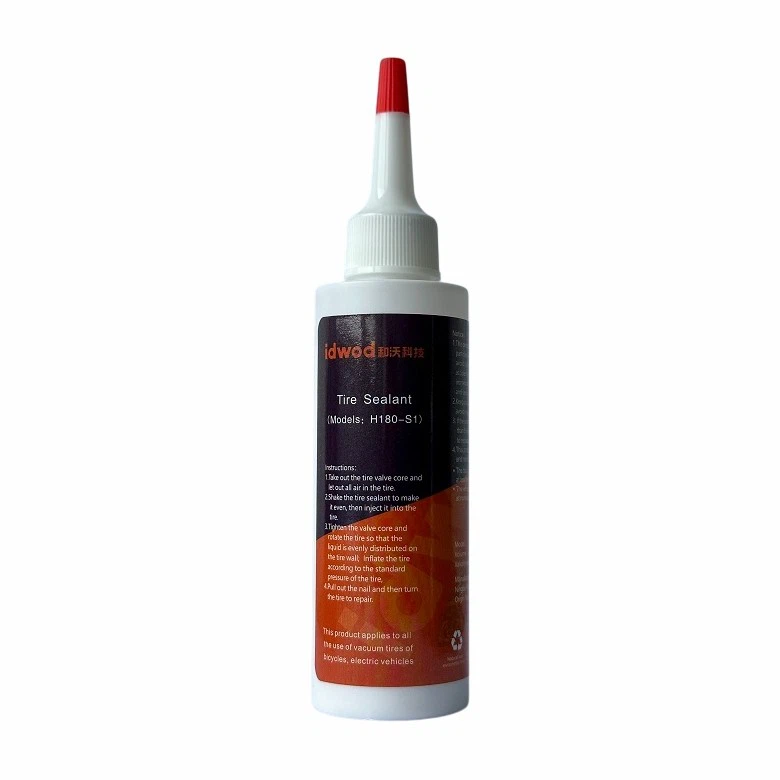
Lifespan of Tire Sealant
The lifespan of tire sealant can vary significantly depending on several factors.
1. Type of Sealant
There are different types of tire sealants available in the market, such as latex - based, solvent - based, and natural rubber - based sealants. Latex - based sealants are commonly used in mountain bikes. They can last anywhere from 3 to 6 months in a mountain bike tire. You can find more information about Mountain Bike Tire Sealant and Inflator. These sealants tend to dry out over time, and as they do, their sealing properties diminish.
Solvent - based sealants, which are often used in car tires, can have a longer lifespan. If stored properly in the container, they can last up to 2 - 3 years. Once they are injected into the tire, their effective sealing period can be around 6 months to a year, depending on usage and environmental conditions. For car owners, Car Tire Sealant and Inflator is a great option to keep in the trunk for emergencies.
Natural rubber - based sealants are more environmentally friendly. They usually have a similar lifespan to solvent - based sealants when in the tire, but their shelf life in the container can be a bit shorter, around 1 - 2 years.
2. Usage Frequency
If you use your vehicle or bike frequently, the tire sealant will be subjected to more stress. The constant movement of the tire, along with the friction and heat generated, can cause the sealant to break down faster. For example, a daily commuter car that drives long distances every day may see the sealant lose its effectiveness in 6 months, while a weekend - only bike might keep the sealant working well for up to 9 months.
3. Environmental Conditions
Extreme temperatures can have a significant impact on the lifespan of tire sealant. In hot weather, the sealant can dry out more quickly. High temperatures can cause the solvents in solvent - based sealants to evaporate, and the latex in latex - based sealants to harden. On the other hand, in cold weather, the sealant can thicken and become less effective at sealing punctures. If you live in an area with extreme temperature variations, you may need to replace the sealant more frequently.
Lifespan of Tire Inflator
The lifespan of a tire inflator also depends on multiple factors.
1. Quality of the Inflator
Higher - quality inflators are generally built to last longer. A well - made inflator from a reputable brand can last 5 - 10 years with proper use and maintenance. These inflators often have better - quality motors, hoses, and valves, which are less likely to break down. Cheaper inflators, on the other hand, may only last 1 - 3 years.
2. Usage Frequency
Similar to tire sealant, the more you use the inflator, the shorter its lifespan is likely to be. If you use it regularly to inflate your tires, the motor will wear out faster, and the hoses may develop leaks. For instance, a gas station that uses an inflator multiple times a day may need to replace it every 2 - 3 years, while a home user who only uses it occasionally may get 5 - 7 years of use from the same inflator.
3. Maintenance
Proper maintenance can significantly extend the lifespan of a tire inflator. This includes keeping the inflator clean, checking the hoses for cracks or leaks regularly, and storing it in a dry place. If you neglect maintenance, the inflator may malfunction earlier. For example, if water gets into the motor of an inflator, it can cause rust and damage, leading to a shorter lifespan.
How to Maximize the Lifespan
For Tire Sealant
- Proper Storage: Store the sealant in a cool, dry place away from direct sunlight. This can slow down the drying or thickening process, especially for latex - based sealants.
- Regular Checks: Check the tire pressure regularly. If the pressure drops more quickly than normal, it could be a sign that the sealant is losing its effectiveness.
- Follow Manufacturer's Instructions: Different sealants have different usage and storage guidelines. Make sure to follow them to get the most out of the product.
For Tire Inflator
- Clean After Use: Wipe down the inflator after each use to remove any dirt or debris. This can prevent the dirt from getting into the motor or valves.
- Check Hoses and Connections: Before each use, inspect the hoses and connections for any signs of damage. Replace any worn - out parts immediately.
- Use Correctly: Make sure to use the inflator within its specified pressure range. Overloading the inflator can cause premature wear and tear.
Contact for Purchase and Consultation
If you're interested in purchasing high - quality Car Tyre Sealant And Inflator or need more information about our products, feel free to reach out. We offer a wide range of tire sealants and inflators suitable for different types of vehicles and bikes, including Road Bike Tire Sealant and Inflator. Our team of experts is ready to assist you with any questions you may have regarding product selection, usage, or maintenance. Don't hesitate to contact us for a detailed discussion and to explore how our products can meet your needs.
References
- "Tire Sealant: How Long Does It Last?" - Tire Industry Journal
- "The Lifespan of Tire Inflators: Factors and Maintenance" - Automotive Maintenance Magazine
- Product manuals of various tire sealant and inflator brands