

Tires with heavy load capacities are commonly used in various vehicles, including trucks, buses, and some industrial equipment. These tires face unique challenges compared to regular tires, such as higher pressure requirements, more significant wear and tear, and a greater risk of punctures. Tire sealant and inflator products play a crucial role in maintaining the performance and safety of these heavy - duty tires. In this blog, as a tire sealant and inflator supplier, I will explain how these products work on tires with heavy load capacities.
Understanding the Challenges of Heavy - Load Tires
Before delving into how tire sealant and inflator work, it's essential to understand the challenges that heavy - load tires encounter. Heavy - load tires are designed to carry substantial weights, which means they operate under much higher internal pressures than standard tires. For example, a typical passenger car tire might operate at around 30 - 35 psi (pounds per square inch), while a heavy - duty truck tire can operate at pressures ranging from 80 to 120 psi or even higher.
The higher pressure puts more stress on the tire structure. The sidewalls need to be more robust to withstand the force exerted by the heavy load and the internal pressure. Additionally, heavy - load vehicles often travel long distances and are exposed to various road conditions, increasing the likelihood of punctures from nails, glass, or other debris on the road. A puncture in a heavy - load tire can lead to rapid air loss, which is not only inconvenient but also extremely dangerous, potentially causing accidents or significant damage to the vehicle.
How Tire Sealant Works
Tire sealant is a liquid substance that is designed to seal punctures in the tire tread area. The basic principle behind tire sealant is relatively simple, but the technology has evolved over the years to be more effective, especially for heavy - load tires.
Composition of Tire Sealant
Most tire sealants are made up of a combination of polymers, fibers, and solvents. The polymers are the key component responsible for sealing the puncture. When the tire gets punctured, air starts to escape, creating a flow of air out of the hole. The sealant is carried by this airflow towards the puncture site.
The fibers in the sealant play an important role in reinforcing the seal. They help to create a more stable and long - lasting plug by entangling with each other and the polymer material. The solvents are used to keep the sealant in a liquid state during storage and application, allowing it to flow easily inside the tire.
Sealing Process in Heavy - Load Tires
In heavy - load tires, the higher internal pressure actually aids the sealing process. The greater pressure forces the sealant more quickly towards the puncture site. As the sealant reaches the hole, the polymers start to harden upon contact with the air outside the tire. The fibers in the sealant help to build up a plug that can withstand the high pressure inside the tire.
For example, in a heavy - duty truck tire, if a nail punctures the tread, the high - pressure air will push the sealant towards the nail hole. The sealant will start to form a seal around the nail. Once the nail is removed, the polymers and fibers will work together to create a tight seal that prevents air from escaping.
However, it's important to note that tire sealant has its limitations. It is mainly effective for small punctures in the tread area. Larger punctures, cuts in the sidewall, or damage to the bead area of the tire may not be sealed by the sealant.
How Tire Inflator Works
A tire inflator is used to maintain the proper air pressure in the tire. For heavy - load tires, it is crucial to have a reliable inflator because the correct pressure is essential for the tire's performance, safety, and longevity.
Types of Tire Inflators
There are several types of tire inflators available on the market, including manual inflators, electric inflators, and compressor - based inflators.
Manual inflators are the simplest type. They are usually hand - operated and are suitable for small - scale inflation tasks. However, they are not very practical for heavy - load tires because they require a lot of physical effort to reach the high pressures needed.
Electric inflators are more convenient. They can be powered by the vehicle's cigarette lighter or a separate power source. Electric inflators are capable of inflating tires to relatively high pressures, but they may take some time to reach the desired pressure, especially for large heavy - load tires.

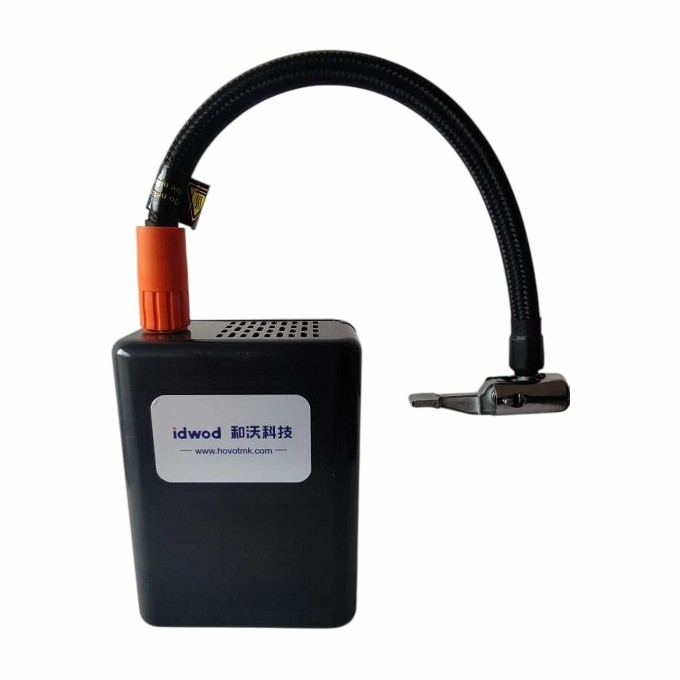
Compressor - based inflators are the most powerful option. They can quickly inflate heavy - load tires to the required pressure. Compressor inflators are often used in commercial settings, such as trucking companies and tire repair shops.
Inflation Process for Heavy - Load Tires
When using a tire inflator on a heavy - load tire, it's important to follow the correct procedure. First, you need to check the recommended tire pressure for the specific vehicle and tire. This information can usually be found on a sticker inside the vehicle's door or in the owner's manual.
Connect the inflator to the tire valve. For heavy - load tires, it's crucial to ensure a tight connection to prevent air leakage during inflation. If using an electric or compressor - based inflator, turn it on and monitor the pressure gauge. The inflator will start to pump air into the tire.
As the pressure approaches the recommended level, slow down the inflation process to avoid over - inflating the tire. Over - inflation can cause uneven tire wear, reduced traction, and an increased risk of a blowout. Once the correct pressure is reached, turn off the inflator and remove it from the tire valve.
Benefits of Using Tire Sealant and Inflator for Heavy - Load Tires
Enhanced Safety
One of the most significant benefits is enhanced safety. A puncture in a heavy - load tire can lead to a sudden loss of air pressure, which can cause the vehicle to become unstable, especially at high speeds. Tire sealant can prevent rapid air loss in case of a puncture, allowing the driver to safely reach a repair shop. The inflator ensures that the tire is always at the correct pressure, which is essential for proper handling and braking.
Cost Savings
Using tire sealant and inflator can also result in cost savings. Regularly checking and maintaining the tire pressure with an inflator can extend the life of the tire. Properly inflated tires wear more evenly, reducing the need for premature tire replacement. In addition, tire sealant can prevent minor punctures from becoming major problems, saving on repair costs.
Convenience
For heavy - load vehicle operators, having a tire sealant and inflator on board provides convenience. They don't have to worry about being stranded on the side of the road due to a flat tire. They can quickly seal the puncture and inflate the tire to get back on the road.
Our Product Range
As a tire sealant and inflator supplier, we offer a wide range of products suitable for heavy - load tires. We also have specialized products for different types of vehicles. For example, if you are looking for a solution for your motorcycle, you can check out our Motorcycle Tire Sealant and Inflator. For tricycles, our Tricycle Tire Sealant and Inflator is a great option. And for mountain bikes, we have the Mountain Bike Tire Sealant and Inflator.
Contact Us for Purchase and Consultation
If you are interested in our tire sealant and inflator products for heavy - load tires or any of our other products, we encourage you to contact us. Our team of experts is ready to assist you in choosing the right product for your needs. Whether you are a fleet manager, a truck driver, or an individual vehicle owner, we can provide you with the best solutions to keep your tires in top condition.
References
- "The Science of Tire Sealants" - Tire Technology International Magazine
- "Heavy - Duty Tire Maintenance Guide" - American Trucking Associations
- "Tire Inflation and Safety" - National Highway Traffic Safety Administration