

When it comes to dealing with flat tires, two popular solutions stand out: sealant and inflator kits, and tire plugs. As a supplier of high - quality Sealant And Inflator products, I've seen firsthand how these two methods stack up against each other. In this blog, I'll delve into the details of each approach, highlighting their pros and cons to help you make an informed decision.

How Sealant and Inflator Works
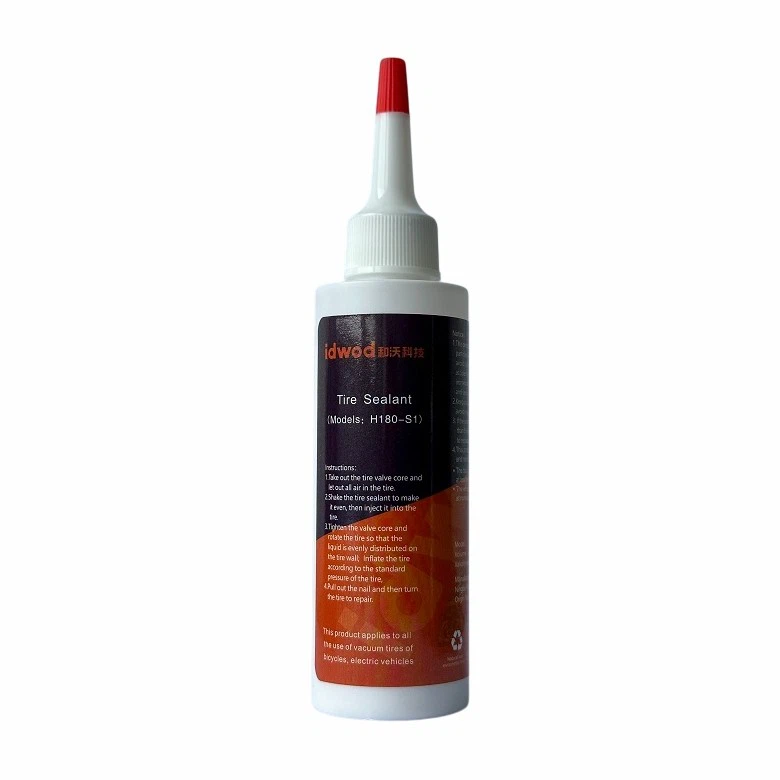
Sealant and inflator kits are designed to quickly and easily repair a flat tire. These kits typically come with a can of sealant and an inflation device. The sealant is a liquid compound that contains various polymers and fibers. When you inject the sealant into the tire through the valve stem, it spreads throughout the inner lining of the tire. As the tire rotates, the sealant is forced into the puncture hole. The polymers and fibers in the sealant form a plug - like barrier, sealing the hole and preventing air from escaping. At the same time, the inflation device, often a small compressor or a CO2 cartridge, is used to pump air into the tire, restoring it to the proper pressure.
One of the significant advantages of using a sealant and inflator is its convenience. You can carry a compact sealant and inflator kit in your vehicle's trunk or on your bike. In case of a flat tire, you can fix the problem on the spot without having to remove the tire from the wheel. This is especially useful in emergency situations, such as when you're on a busy highway or in a remote area.
Another benefit is that sealant can often seal multiple small punctures at once. If your tire has been damaged by nails, thorns, or other sharp objects, the sealant can effectively seal all the holes, providing a comprehensive repair solution.
There are different types of sealant and inflator kits available for various vehicles. For cars, you can find Car Tire Sealant and Inflator that are specifically formulated to handle the larger size and higher pressure requirements of car tires. Electric vehicles also have their own specialized kits, like E - Vehicle Tire Sealant and Inflator, which take into account the unique characteristics of EV tires. And for mountain bikers, Mountain Bike Tire Sealant and Inflator kits are lightweight and easy to carry on the trails.
However, sealant and inflator kits also have some limitations. The sealant is usually a temporary fix. Over time, the sealant may dry out or break down, and the puncture may start to leak again. Also, sealant may not be effective for large punctures or sidewall damage. In such cases, a more permanent repair method is required.
How Tire Plug Works
Tire plugs are another common method for fixing flat tires. A tire plug is a small, sticky strip made of rubber or a similar material. To use a tire plug, you first need to locate the puncture hole in the tire. This can be done by inflating the tire slightly and looking for bubbles if you've submerged the tire in water or by listening for the sound of escaping air.
Once the puncture is found, a special tool, called a plug insertion tool, is used to insert the plug into the hole. The plug is pushed through the tool and into the puncture, where it expands and fills the hole, creating a seal. After the plug is in place, the excess part of the plug is trimmed off.
One of the main advantages of using a tire plug is its durability. A properly installed tire plug can provide a long - term solution for a punctured tire. It can withstand normal driving conditions and maintain the tire's integrity for an extended period.
Tire plugs are also suitable for larger punctures compared to sealant. If the hole in your tire is too big for a sealant to effectively seal, a tire plug can be a better option.
However, using a tire plug requires more skill and tools than using a sealant and inflator. You need to have the right insertion tool, and you must be able to accurately locate the puncture hole. In addition, you usually need to remove the tire from the wheel to properly install the plug, which can be time - consuming and difficult, especially if you're on the road.
A Comparison
Ease of Use
Sealant and inflator kits are extremely user - friendly. You don't need any special skills or tools other than what comes in the kit. Just connect the sealant can to the valve stem, inject the sealant, and then inflate the tire. On the other hand, using a tire plug requires more technical know - how. You need to locate the puncture precisely and use the insertion tool correctly, which can be a challenge for inexperienced users.
Repair Time
When it comes to repair time, sealant and inflator kits win hands down. You can fix a flat tire in a matter of minutes with a sealant and inflator. In contrast, using a tire plug can take much longer, especially if you have to remove the tire from the wheel.
Cost
Sealant and inflator kits are generally more affordable. They are a one - time purchase, and you can use them multiple times if the kit has enough sealant. Tire plugs, on the other hand, may require additional tools, and if you need to take the tire to a professional for installation, it can add to the cost.
Long - Term Effectiveness
For short - term and emergency repairs, sealant and inflator kits are a great choice. They can get you back on the road quickly. But for long - term reliability, a tire plug is often a better option, as it can provide a more permanent seal.
Compatibility
Sealant and inflator kits are suitable for a wide range of tires, including car tires, EV tires, and bike tires. They can handle small to medium - sized punctures. Tire plugs are more effective for larger punctures, but they may not be as versatile in terms of the types of tires they can be used on.
Conclusion
Both sealant and inflator kits and tire plugs have their own strengths and weaknesses. If you're looking for a quick, easy, and convenient solution for small punctures, especially in emergency situations, a sealant and inflator kit is the way to go. On the other hand, if you need a long - term, durable fix for larger punctures and you have the skills and tools to install it, a tire plug may be more appropriate.
As a supplier of Sealant And Inflator products, I'm committed to providing high - quality solutions for flat tire repairs. Our sealant and inflator kits are designed to meet the needs of different vehicles and users. Whether you drive a car, an electric vehicle, or ride a mountain bike, we have the right product for you.
If you're interested in our Sealant And Inflator products or have any questions about flat tire repair, I encourage you to reach out to us for a procurement discussion. We're here to help you find the best solution for your tire repair needs.
References
- Tire Repair Manuals from major tire manufacturers
- Automotive repair guides
- Industry research on tire repair methods