

How does mountain bike tire sealant affect the rolling resistance of the tire?
As a supplier of Mountain Bike Tire Sealant, I've had numerous conversations with cyclists, mechanics, and enthusiasts about the various aspects of tire sealants. One question that frequently comes up is how these sealants impact the rolling resistance of mountain bike tires. In this blog, I'll delve into the science behind it, explore the factors at play, and provide some insights based on our experience in the industry.
Understanding Rolling Resistance
Before we discuss the effect of tire sealant on rolling resistance, it's essential to understand what rolling resistance is. Rolling resistance is the force that resists the motion of a tire as it rolls on a surface. It's influenced by several factors, including the tire's construction, tread pattern, inflation pressure, and the surface it's rolling on. A lower rolling resistance means that less energy is required to keep the bike moving, resulting in a more efficient ride.
How Tire Sealant Works
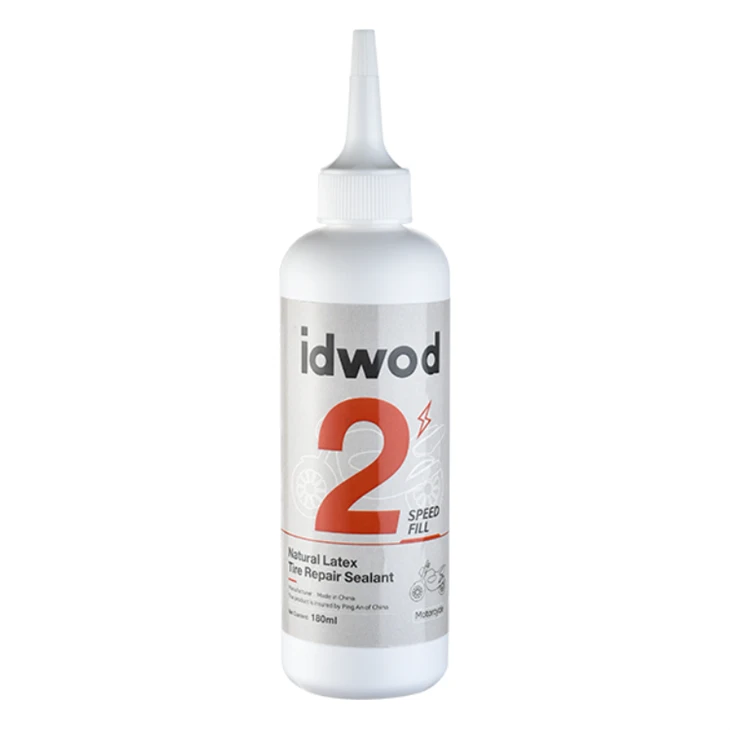
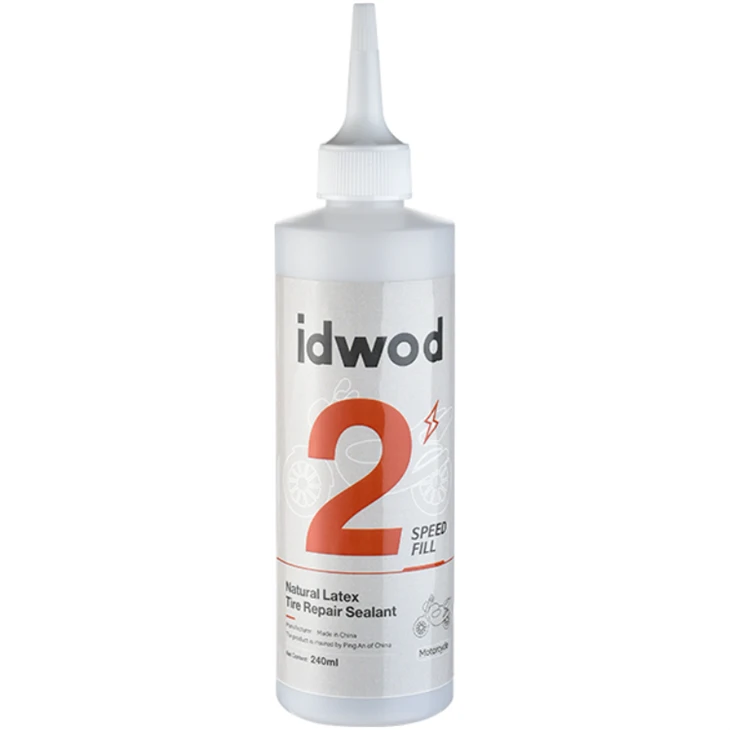
Mountain bike tire sealant is a liquid substance that is injected into the tire through the valve stem. Its primary function is to seal small punctures and cuts in the tire, preventing air from escaping and allowing the rider to continue their journey without having to stop and change a flat tire. The sealant contains particles that are suspended in a liquid medium. When a puncture occurs, the liquid is forced out of the hole, carrying the particles with it. These particles then accumulate at the puncture site, forming a plug that seals the hole and prevents further air loss.
Factors Affecting the Impact of Sealant on Rolling Resistance
The impact of tire sealant on rolling resistance can vary depending on several factors. Let's take a closer look at some of these factors:
1. Sealant Viscosity
The viscosity of the sealant plays a significant role in its effect on rolling resistance. A more viscous sealant will have a higher internal friction, which can increase the rolling resistance of the tire. On the other hand, a less viscous sealant will flow more easily within the tire, resulting in less resistance. When choosing a sealant, it's important to consider the balance between viscosity and sealing performance. A sealant that is too thin may not be able to seal larger punctures effectively, while a sealant that is too thick may increase rolling resistance significantly.
2. Amount of Sealant
The amount of sealant used in the tire also affects rolling resistance. Using too much sealant can increase the weight of the tire and the internal friction, leading to higher rolling resistance. Conversely, using too little sealant may not provide adequate protection against punctures. The recommended amount of sealant varies depending on the tire size and the type of riding you'll be doing. As a general rule, most manufacturers recommend using between 2 and 4 ounces (60 - 120 ml) of sealant per tire for mountain bikes.
3. Tire Design
The design of the tire itself can also influence how the sealant affects rolling resistance. Tires with a wider cross-section and a lower aspect ratio tend to have more volume inside, which can accommodate more sealant without a significant increase in rolling resistance. Additionally, tires with a smooth tread pattern generally have lower rolling resistance than those with a more aggressive tread pattern. The interaction between the sealant and the tire's internal structure, such as the casing and the bead, can also impact rolling resistance.
4. Riding Conditions
The riding conditions can have an indirect effect on the relationship between sealant and rolling resistance. For example, riding on rough, uneven terrain may cause the tire to flex more, which can increase the internal movement of the sealant and potentially increase rolling resistance. On the other hand, riding on smooth, hard surfaces may result in less tire flex and a more consistent rolling resistance.
Measuring the Impact of Sealant on Rolling Resistance
Measuring the exact impact of tire sealant on rolling resistance can be challenging, as it depends on multiple variables. However, there are some methods that can be used to estimate the effect:
1. Laboratory Testing
In a laboratory setting, specialized equipment can be used to measure the rolling resistance of a tire with and without sealant. These tests typically involve rolling the tire on a smooth surface at a constant speed and measuring the force required to keep it moving. By comparing the results with and without sealant, researchers can determine the impact of the sealant on rolling resistance.
2. Real-World Testing
Real-world testing involves riding the bike on different surfaces and measuring the power output or the speed achieved with and without sealant. This method provides a more practical understanding of how the sealant affects the bike's performance in actual riding conditions. However, it's important to control for other variables, such as wind, terrain, and rider effort, to get accurate results.
Our Experience as a Sealant Supplier
At our company, we've conducted extensive testing on our Mountain Bike Tire Sealant to understand its impact on rolling resistance. We've found that our sealant is formulated to have a relatively low viscosity, which minimizes its effect on rolling resistance while still providing excellent sealing performance. Our testing has shown that the increase in rolling resistance due to our sealant is negligible in most cases, especially when used in the recommended amounts.
We also offer different types of sealants to meet the needs of different riders. For example, our lightweight sealant is designed for riders who are looking for the lowest possible impact on rolling resistance, while our heavy-duty sealant provides maximum protection against punctures at the expense of a slightly higher rolling resistance.
Other Types of Tire Sealants
In addition to mountain bike tire sealant, we also offer Motorcycle Tire Sealant and Road Bike Tire Sealant. While the basic principle of how these sealants work is similar, the requirements for each type of tire are different. Motorcycle tires, for example, need a sealant that can withstand higher speeds and greater forces, while road bike tires require a sealant that has a minimal impact on rolling resistance to maintain optimal performance.
Conclusion
In conclusion, the impact of mountain bike tire sealant on rolling resistance is influenced by several factors, including sealant viscosity, the amount of sealant used, tire design, and riding conditions. While it's true that adding sealant to a tire can increase rolling resistance to some extent, modern sealants are formulated to minimize this effect. As a supplier, we're committed to developing sealants that provide excellent sealing performance while having a minimal impact on rolling resistance.
If you're a cyclist looking for a reliable tire sealant that won't compromise your bike's performance, we invite you to explore our range of Mountain Bike Tire Sealant. We're always happy to answer any questions you may have and provide you with more information about our products. Whether you're a casual rider or a competitive racer, our sealants can help you enjoy a worry-free ride.
If you're interested in purchasing our products or have any questions about our Mountain Bike Tire Sealant, please feel free to contact us for a detailed discussion. We look forward to working with you to meet your cycling needs.
References
- "The Science of Cycling" by David C. Swain
- "Bicycle Science" by David Gordon Wilson
- Various industry research papers on tire technology and sealant performance