

Hey there! As a supplier of Car Tyre Puncture Repair Kits, I often get asked about how to tell if these kits have expired. It's a super important question, because using an expired kit might not fix your flat tire as it should, leaving you in a real bind on the road. So, let's dig into how you can figure out if your car tyre puncture repair kit is past its prime.
Check the Expiration Date
The easiest way to know if your kit is expired is to look for the expiration date. Most reputable manufacturers print this right on the packaging. It's usually a clear label with a month and year. If the current date has passed this printed expiration date, then your kit is expired.
But here's the thing, sometimes the label can get worn out, or maybe you've had the kit for so long that you've lost the original packaging. In that case, you'll have to rely on other signs to tell if the kit is still good to use.
Physical Inspection of the Sealant
A big part of most car tyre puncture repair kits is the sealant. This stuff is what fills the hole in your tire and stops the air from leaking out. Over time, the sealant can change in consistency and effectiveness.

- Color and Clumping: When you first open the sealant container, take a look at its color. If it's a different color than it was when you bought it, that could be a sign of expiration. Also, check for any clumps. If the sealant has formed clumps or has a thick, lumpy texture instead of being smooth, it's likely expired. Clumps won't flow properly into the tire to seal the puncture, so you're better off getting a new kit.
- Smell: Believe it or not, the smell of the sealant can also tell you a lot. Fresh sealant usually has a distinct, but not overpowering, chemical smell. If the sealant smells off, like it has a really strong, unpleasant odor or a different smell than normal, it might be expired.
Testing the Inflator
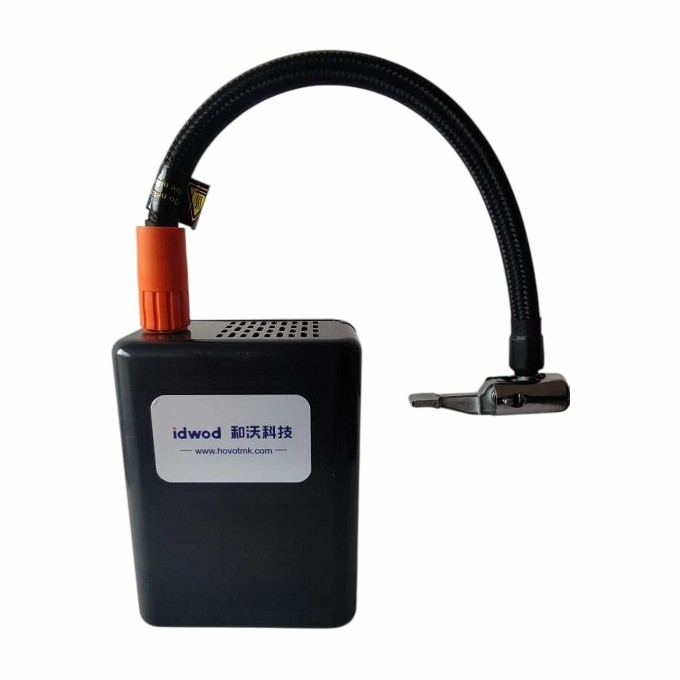
Many kits come with an inflator to pump air into the tire after the sealant has been added. You can test the inflator to see if it's still working properly.
- Pressure Gauge: If your inflator has a pressure gauge, check to see if it's showing accurate readings. You can compare the reading on the inflator's gauge with a separate, reliable tire pressure gauge. If the readings are way off, it could mean the inflator is malfunctioning, which might be due to age or expiration.
- Air Flow: Try using the inflator to pump a small amount of air into a container or a deflated balloon. If the air flow is weak or inconsistent, or if the inflator makes strange noises while operating, it might not be in good working condition. An inflator that doesn't work well won't be able to properly inflate your tire, even if the sealant is still good.
Storage Conditions Matter
The way you store your car tyre puncture repair kit can also affect its lifespan. If the kit has been stored in extreme conditions, it might expire earlier than expected.
- Temperature: High temperatures can cause the sealant to break down faster and can also damage the inflator. If your kit has been sitting in a hot garage or a car trunk on a scorching summer day for a long time, it's more likely to expire sooner. On the other hand, very cold temperatures can also make the sealant thicken and become less effective.
- Humidity: Moisture can also be a problem. If the kit has been stored in a damp place, it can cause rust on the inflator parts and can also affect the quality of the sealant.
Different Types of Kits and Their Lifespans
Not all car tyre puncture repair kits are the same. Some are designed for specific types of vehicles, and their lifespans can vary.
- Tricycle Tire Sealant and Inflator: These kits are usually smaller and are designed for tricycles. You can find more info about them Tricycle Tire Sealant and Inflator. They might have a slightly different lifespan compared to car kits, depending on the quality of the sealant and inflator.
- Motorcycle Tire Sealant and Inflator: Motorcycle kits need to be more compact and lightweight. Check out Motorcycle Tire Sealant and Inflator for more details. The sealant in these kits might have different properties, and they should be checked regularly for expiration.
- Road Bike Tire Sealant and Inflator: Road bike kits are even more specialized. You can learn about them at Road Bike Tire Sealant and Inflator. They are often designed to be very easy to carry on a ride, but the sealant and inflator can still expire over time.
Why It's Important to Use a Non - Expired Kit
Using an expired car tyre puncture repair kit can be a huge risk. If the kit doesn't work properly, you won't be able to fix your flat tire on the spot. This can leave you stranded on the side of the road, which is not only inconvenient but can also be dangerous.
A non - expired kit gives you the best chance of quickly and effectively fixing a flat tire. It can save you time and money by avoiding having to call a tow truck or go to a tire shop right away.
When to Replace Your Kit
If you've checked all the signs and you're still not sure if your kit is expired, it's better to be safe than sorry. If the kit is a few years old, or if you've noticed any of the signs of expiration we talked about, it's time to get a new one.
As a supplier, I always recommend having a fresh, non - expired car tyre puncture repair kit in your vehicle at all times. It's a small investment that can save you a lot of hassle in the long run.
Contact for Procurement
If you're in the market for a new car tyre puncture repair kit, or if you have any questions about our products, don't hesitate to reach out. We're here to help you find the right kit for your needs. Whether you need a kit for your car, tricycle, motorcycle, or road bike, we've got you covered.
References
- "Tire Repair and Maintenance Guide" - General automotive maintenance handbook
- Manufacturer's instructions for various car tyre puncture repair kits