

Cleaning tire sealant from a tire can be a challenging task, but with the right approach, it can be effectively managed. As a tire sealant supplier, I've encountered numerous inquiries regarding this issue, and I'm here to share some practical methods and insights to help you through the process.
Understanding Tire Sealant
Before delving into the cleaning methods, it's essential to understand what tire sealant is and how it works. Tire sealant is a liquid substance designed to seal punctures in tires automatically. It contains various components such as latex, fibers, and additives that work together to create a plug when a puncture occurs. Over time, however, the sealant can dry up, clump, or accumulate inside the tire, which may require cleaning.
There are different types of tire sealants available for various applications, including Scooter Tire Sealant, Road Bike Tire Sealant, and Motorcycle Tire Sealant. Each type is formulated to meet the specific needs of different vehicles, but the general principles of cleaning remain similar.
Pre - cleaning Preparations
- Safety First: Ensure you have the necessary safety equipment, such as gloves and safety glasses. Tire sealant can be messy, and some components may be irritating to the skin and eyes.
- Gather Tools: You'll need a bucket, a hose with a high - pressure nozzle, a scrub brush, and a mild detergent. For stubborn sealant, a specialized tire cleaner may also be useful.
- Remove the Tire: If possible, remove the tire from the vehicle. This will make the cleaning process more accessible and thorough. Place the tire on a stable surface where you can work comfortably.
Cleaning Steps
- Initial Rinse: Start by rinsing the tire with a hose. Use a high - pressure nozzle to remove as much loose sealant as possible. Direct the water into the tire, especially around the inner walls where the sealant tends to accumulate. This initial rinse will help get rid of the bulk of the sealant and make the subsequent cleaning steps easier.
- Prepare the Cleaning Solution: Fill a bucket with warm water and add a mild detergent. Mix the solution well until it forms a soapy mixture. You can also add a small amount of white vinegar to the solution, as it can help break down the sealant.
- Scrub the Tire: Dip the scrub brush into the cleaning solution and start scrubbing the inner walls of the tire. Pay close attention to areas with thick deposits of sealant. Use firm but gentle pressure to avoid damaging the tire. Work in small sections, and make sure to cover the entire inner surface of the tire.
- Rinse Again: After scrubbing, rinse the tire thoroughly with the hose. Make sure all the soapy residue and loosened sealant are washed away. Check the tire carefully to ensure no large chunks of sealant remain.
- Treat Stubborn Areas: If there are still stubborn sealant spots, you can use a specialized tire cleaner. Apply the cleaner according to the manufacturer's instructions. Let it sit on the sealant for a few minutes to allow it to penetrate and break down the stubborn deposits. Then, scrub the area again with the brush and rinse.
- Final Rinse and Drying: Once you're satisfied with the cleaning, give the tire a final rinse to remove any remaining cleaner or residue. Allow the tire to dry completely before reinstalling it. You can place the tire in a well - ventilated area or use a fan to speed up the drying process.
Tips for Different Tire Types
- Scooter Tires: Scooter tires are relatively small, which makes them easier to handle during the cleaning process. However, they may have more intricate patterns on the inner walls. Use a small - bristled brush to reach into these areas and ensure a thorough clean.
- Road Bike Tires: Road bike tires are lightweight and often have a thin layer of sealant. Be gentle when scrubbing to avoid damaging the tire's inner tube. If the sealant has dried and hardened, soaking the tire in warm water for a longer period before scrubbing can help soften it.
- Motorcycle Tires: Motorcycle tires are larger and more robust. They may require more force when scrubbing, but still be careful not to over - scrub. The high - pressure hose can be particularly useful for removing large amounts of sealant from motorcycle tires.
Preventive Measures
- Regular Maintenance: Regularly check the condition of the tire sealant. If it starts to dry up or clump, it may be time to replace it. This can prevent excessive buildup and make future cleaning easier.
- Proper Application: When applying tire sealant, follow the manufacturer's instructions carefully. Using the correct amount of sealant can reduce the likelihood of over - application and subsequent cleaning challenges.
Troubleshooting
- Sealant in the Valve Stem: If sealant gets into the valve stem, it can cause problems with inflation. To clean the valve stem, remove the valve core using a valve core tool. Rinse the valve stem with water and use a small brush to clean the inside. Once clean, reinstall the valve core.
- Stains on the Tire: Sometimes, tire sealant can leave stains on the tire. If this happens, you can try using a tire polish or a specialized stain remover. Apply the product according to the instructions and buff the tire to remove the stains.
Conclusion
Cleaning tire sealant from a tire is a process that requires patience and the right approach. By following the steps outlined above, you can effectively remove the sealant and keep your tires in good condition. As a tire sealant supplier, we understand the importance of proper maintenance and cleaning. Our Scooter Tire Sealant, Road Bike Tire Sealant, and Motorcycle Tire Sealant are all high - quality products, but proper cleaning and maintenance are essential for optimal performance.
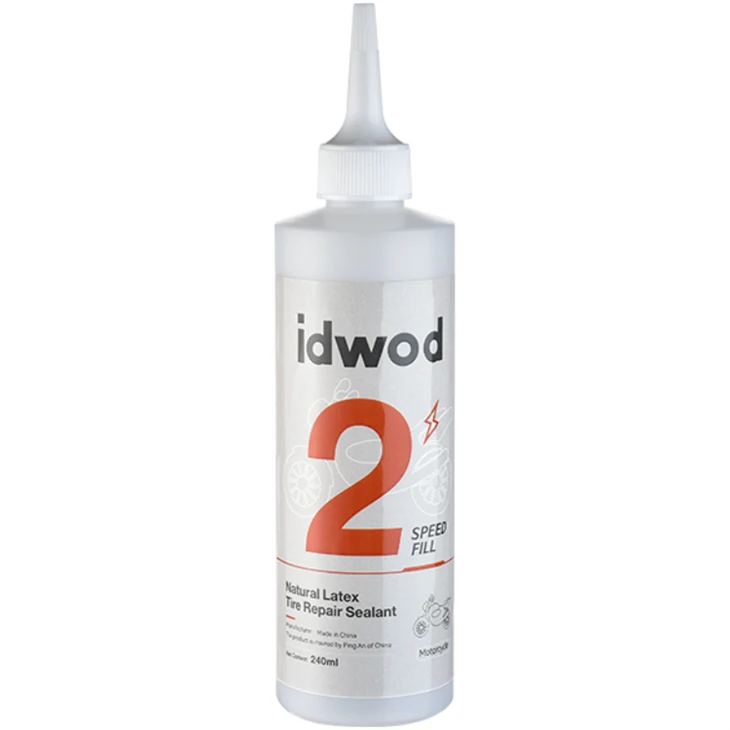

If you have any questions about our tire sealants or need further advice on cleaning, please feel free to contact us. We are always ready to assist you with your tire sealant needs and can provide you with more detailed information on our products. Whether you're a professional mechanic or a DIY enthusiast, we're here to support you in keeping your tires in top - notch condition. Contact us today to start a discussion about your tire sealant requirements.
References
- "Tire Maintenance Handbook" - A comprehensive guide on tire care and maintenance.
- Manufacturer's instructions for various tire sealants.
- Online forums and communities where tire enthusiasts share their experiences with cleaning tire sealant.