

Tire punctures are an inevitable nuisance for vehicle owners. When a puncture occurs close to the sidewall, it often raises concerns about the effectiveness of tire sealant kits. As a leading supplier of tire sealant kits, I've encountered numerous inquiries regarding this specific issue. In this blog, we'll delve into the science behind tire sealants and explore whether they can effectively seal punctures near the sidewall.
Understanding Tire Sealants
Tire sealants are designed to quickly and easily repair small punctures in tires, eliminating the need for immediate tire replacement or a roadside tire change. These sealants typically consist of a liquid compound containing various sealing agents, such as fibers, particles, and adhesives. When a puncture occurs, the sealant is forced into the hole by the tire's air pressure, where it forms a plug to prevent air from escaping.
The effectiveness of a tire sealant depends on several factors, including the size and location of the puncture, the type of tire, and the quality of the sealant. Most tire sealants are designed to work on punctures up to a certain size, usually around 1/4 inch in diameter. Larger punctures may require more advanced repair methods or tire replacement.
The Challenge of Sidewall Punctures
The sidewall of a tire is a critical area that plays a crucial role in maintaining the tire's structural integrity and handling characteristics. Unlike the tread area, which is designed to withstand the forces of friction and wear, the sidewall is thinner and more flexible. This makes it more susceptible to damage from sharp objects, such as nails, glass, or debris.
Punctures close to the sidewall present a unique challenge for tire sealants. The sidewall is constantly flexing as the tire rotates, which can cause the sealant to break down or dislodge over time. Additionally, the sidewall is subject to higher stress and pressure than the tread area, which can make it more difficult for the sealant to form a reliable seal.
Can Tire Sealant Kits Work on Sidewall Punctures?
The short answer is: it depends. While tire sealant kits can be effective in sealing small punctures near the sidewall, there are several factors to consider.
- Size of the Puncture: As mentioned earlier, most tire sealants are designed to work on punctures up to a certain size. If the puncture is too large or too close to the edge of the sidewall, the sealant may not be able to form a reliable seal. In these cases, it's best to have the tire inspected by a professional and, if necessary, replaced.
- Type of Tire: Different types of tires have different construction and materials, which can affect the effectiveness of tire sealants. For example, high-performance tires or tires with run-flat technology may require specialized sealants or repair methods. It's important to check the manufacturer's recommendations before using a tire sealant on these types of tires.
- Quality of the Sealant: Not all tire sealants are created equal. Higher-quality sealants are typically formulated with more advanced sealing agents and additives, which can provide better adhesion and durability. When choosing a tire sealant kit, it's important to select a product that is specifically designed for sidewall punctures and has a proven track record of success.
Our Experience as a Tire Sealant Kit Supplier
At our company, we've been supplying high-quality tire sealant kits for many years. Through extensive testing and customer feedback, we've found that our sealants can be effective in sealing small punctures near the sidewall in most cases. However, we always recommend that customers follow the manufacturer's instructions carefully and have the tire inspected by a professional as soon as possible after using the sealant.
One of the key factors in the success of our tire sealant kits is our advanced formula. Our sealants are formulated with a unique blend of fibers and adhesives that are designed to quickly and effectively seal punctures, even in challenging conditions. The fibers in our sealant help to reinforce the seal and prevent it from breaking down over time, while the adhesives ensure a strong bond between the sealant and the tire.
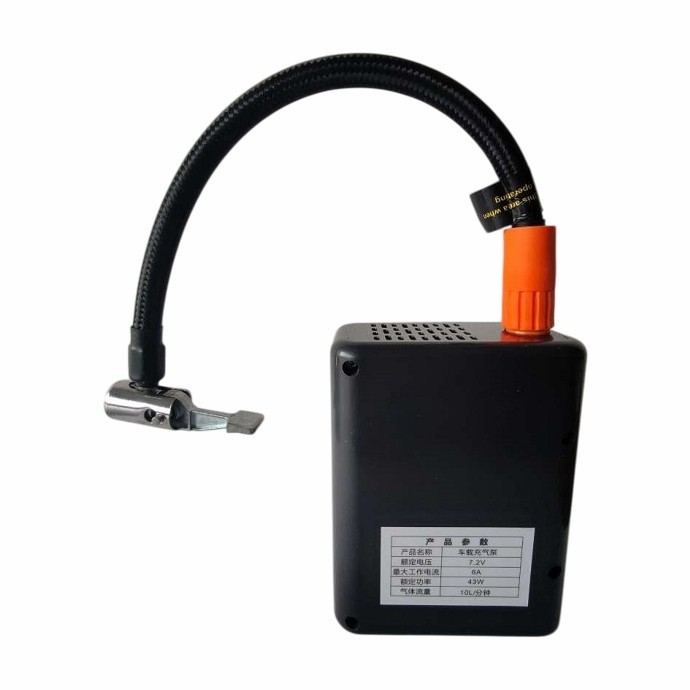
In addition to our advanced formula, we also offer a range of tire sealant kits that are specifically designed for different types of vehicles and tires. For example, we have Electric Motorcycle Tire Sealant and Inflator for electric motorcycles, Street Trial Bike Tire Sealant and Inflator for street trial bikes, and Motorcycle Tire Sealant and Inflator for traditional motorcycles. These specialized kits are formulated to meet the unique needs and requirements of each type of vehicle, ensuring optimal performance and reliability.
Tips for Using Tire Sealant Kits on Sidewall Punctures
If you find yourself with a puncture close to the sidewall and decide to use a tire sealant kit, here are some tips to help ensure a successful repair:
- Read the Instructions: Before using the sealant, carefully read the manufacturer's instructions and follow them closely. This will help you to use the sealant correctly and avoid any potential issues.
- Prepare the Tire: Before applying the sealant, make sure the tire is clean and dry. Remove any debris or foreign objects from the puncture area, and use a tire gauge to check the tire pressure.
- Apply the Sealant: Follow the instructions provided with the sealant kit to apply the sealant to the tire. Most sealant kits come with a hose or nozzle that allows you to inject the sealant directly into the tire through the valve stem. Make sure to apply enough sealant to fill the puncture and create a reliable seal.
- Inflate the Tire: After applying the sealant, use a tire inflator to inflate the tire to the recommended pressure. This will help to distribute the sealant evenly and ensure a proper seal.
- Drive Carefully: After using the sealant, drive carefully and avoid high speeds, sharp turns, or sudden stops. This will help to minimize the stress on the tire and allow the sealant to set properly.
- Inspect the Tire: As soon as possible after using the sealant, have the tire inspected by a professional. They can check the seal and make sure the tire is safe to drive on. If necessary, they can also recommend additional repair or replacement options.
Conclusion
In conclusion, while tire sealant kits can be effective in sealing small punctures near the sidewall, they are not a substitute for proper tire maintenance and repair. If you have a puncture close to the sidewall, it's important to assess the severity of the damage and determine the best course of action. In some cases, a tire sealant kit may be a quick and convenient solution, but in other cases, more advanced repair methods or tire replacement may be necessary.
As a supplier of tire sealant kits, we are committed to providing our customers with high-quality products and reliable solutions. Our sealant kits are designed to work effectively on a wide range of punctures, including those close to the sidewall. However, we always recommend that customers follow the manufacturer's instructions and have their tires inspected by a professional to ensure their safety and peace of mind.

If you're interested in learning more about our tire sealant kits or have any questions about using them on sidewall punctures, please don't hesitate to contact us. We'd be happy to assist you and provide you with the information you need to make an informed decision.
References
- Tire Industry Association. (2023). Tire Repair Manual.
- Rubber Manufacturers Association. (2023). Guidelines for Tire Retreading and Repair.
- Federal Motor Carrier Safety Administration. (2023). Commercial Motor Vehicle Safety Regulations.