

Hey there! As a tire sealant supplier, I often get asked a bunch of questions about where and how our products can be used. One question that pops up quite a bit is, "Can tire sealant be used on trailer tires?" Well, let's dive right into this topic and find out.
First off, what exactly is tire sealant? Tire sealant is a liquid substance that you can put inside your tires. Its main job is to seal small punctures as they happen, so you don't have to deal with sudden flats. It's like having a little repair crew inside your tires, always ready to patch things up.
Now, when it comes to trailer tires, using tire sealant can be a great idea. Trailer tires are often overlooked when it comes to maintenance, but they face a lot of the same challenges as regular vehicle tires. They roll over all sorts of debris on the road, from nails to glass shards. And since trailers are often used for long - haul trips or carrying heavy loads, a flat tire can be a real pain in the neck. It can cause delays, and in some cases, even damage to the trailer itself.
One of the big advantages of using tire sealant on trailer tires is the convenience. If you're on the road and get a small puncture, the sealant will immediately seal the hole, and you can keep on going. No need to pull over on the side of a busy highway and change a tire in the rain or heat. It's a real time - saver and can make your trips a whole lot less stressful.
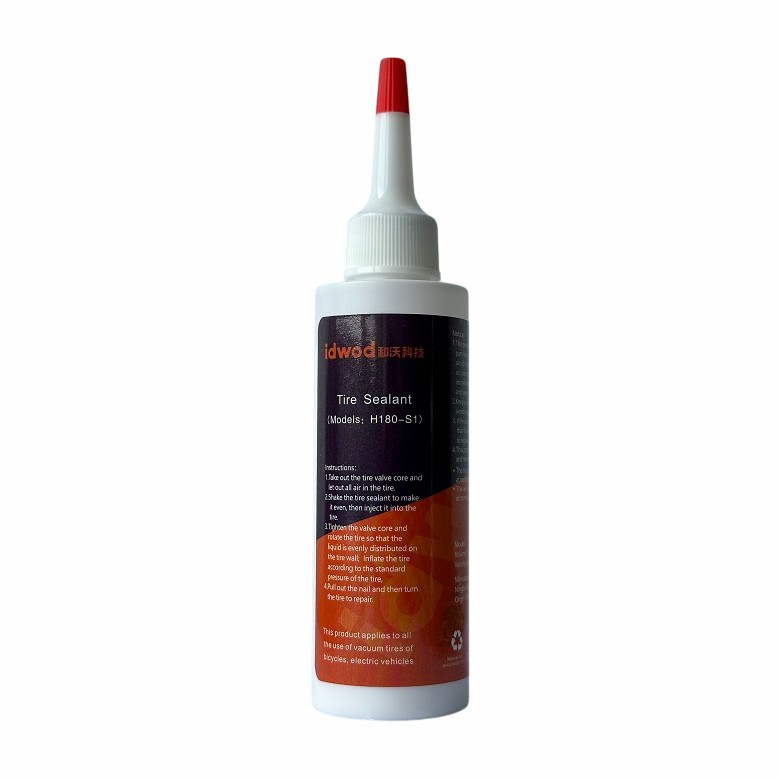

Another benefit is the cost - savings. Buying a new tire can be expensive, especially if you have to do it on short notice. By using tire sealant, you can extend the life of your trailer tires and avoid having to replace them as often. And let's face it, saving money is always a good thing.
But before you go ahead and pour tire sealant into your trailer tires, there are a few things you need to keep in mind. First, not all tire sealants are created equal. You need to make sure you choose a sealant that is suitable for trailer tires. Some sealants are designed specifically for certain types of tires, like Road Bike Tire Sealant, which is great for road bikes but might not work as well on trailer tires. So, do your research and pick a sealant that is made for the job.
Second, you need to follow the instructions carefully when adding the sealant to your tires. Over - filling or under - filling can affect the performance of the sealant. Most sealants come with clear instructions on how much to use based on the size of your tires. Make sure you measure accurately and pour the right amount.
Also, keep in mind that tire sealant is not a permanent fix for all types of tire damage. It's really only effective for small punctures, like those caused by nails or thorns. If your tire has a large cut or sidewall damage, the sealant won't be able to seal it, and you'll still need to replace the tire.
Now, let's talk about the types of trailer tires that can benefit from tire sealant. Whether you have a small utility trailer or a large RV trailer, tire sealant can be a great addition. For utility trailers, which are often used to haul tools, equipment, or small loads, a flat tire can disrupt your work schedule. Using sealant can prevent these unexpected flats and keep your work on track.
RV trailers, on the other hand, are used for long - distance travel and vacations. A flat tire during an RV trip can ruin your plans and put a damper on your fun. By using tire sealant, you can have peace of mind knowing that you're less likely to experience a flat on the road.
When it comes to the application process, it's actually pretty straightforward. You'll need to remove the valve core from the tire valve stem first. This allows the sealant to flow into the tire easily. Then, using a funnel or the applicator that comes with the sealant, pour the recommended amount of sealant into the tire. After that, replace the valve core and inflate the tire to the proper pressure. It's a simple process that you can do yourself with just a few basic tools.
There are also some common misconceptions about using tire sealant on trailer tires. One of them is that the sealant will damage the tire. In reality, most modern tire sealants are formulated to be safe for tires. They are designed to work with the rubber and other materials in the tire without causing any harm.
Another misconception is that the sealant will affect the tire's performance. While it's true that adding a small amount of liquid to the tire will change its weight distribution slightly, the difference is usually negligible. In most cases, you won't even notice any difference in the way the trailer handles.
If you're still not sure whether tire sealant is right for your trailer tires, you can always start with one tire and see how it goes. Monitor the tire closely for a few weeks and see if the sealant works as expected. If you're happy with the results, you can then treat the rest of your trailer tires.
In addition to trailer tires, we also offer sealants for other types of tires. For example, Tricycle Tire Sealant is perfect for tricycles, which are often used by kids or for leisurely rides. And Mountain Bike Tire Sealant is great for mountain bikers who need to deal with rough terrain and potential punctures.
So, in conclusion, tire sealant can definitely be used on trailer tires, and it has a lot of benefits. It offers convenience, cost - savings, and peace of mind. Just make sure you choose the right sealant, follow the instructions carefully, and be aware of its limitations.
If you're interested in purchasing our tire sealants for your trailer tires or any other type of tires, don't hesitate to get in touch. We're here to answer any questions you might have and help you find the best product for your needs. Whether you're a professional hauler or just someone who uses a trailer occasionally, our tire sealants can make your life a whole lot easier.
References
- General knowledge about tire technology and maintenance
- Product specifications and usage guidelines provided by tire sealant manufacturers