

Can sealant and inflator be used on tires with a small cut on the tread? This is a question that many vehicle owners often ask, and as a supplier of sealant and inflator products, I'm here to provide you with a detailed and scientific answer.
Understanding Tire Sealant and Inflator
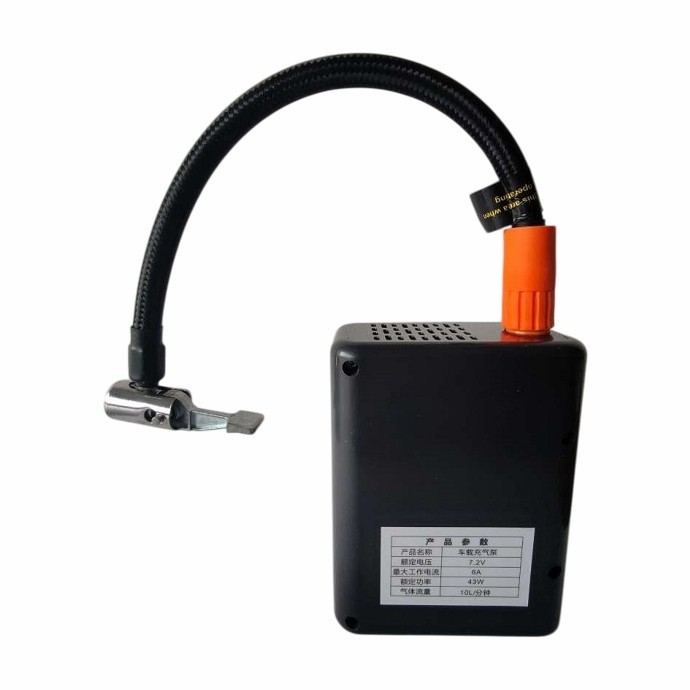
Before we dive into whether sealant and inflator can be used on tires with a small cut on the tread, let's first understand what tire sealant and inflator are. Tire sealant is a liquid substance that is designed to seal small punctures and leaks in tires. When a puncture occurs, the sealant is forced into the hole by the air pressure inside the tire, where it forms a plug to prevent air from escaping. An inflator, on the other hand, is a device used to fill tires with air. It can be a manual pump, an electric pump, or a canister of compressed air.
The Nature of Small Treads Cuts
A small cut on the tire tread is different from a simple puncture. A puncture is usually a clean hole made by a sharp object like a nail or a screw, while a cut can be a more irregular tear in the rubber. The size and depth of the cut are crucial factors in determining whether sealant and inflator can be used effectively.
Factors to Consider
Size of the Cut
Most tire sealants are designed to seal punctures up to a certain size, typically around 1/4 inch (6.35 mm) in diameter. If the cut on the tire tread is within this size range, there is a good chance that the sealant can work. However, if the cut is larger than this, the sealant may not be able to form a reliable seal, and the tire may continue to lose air.
Depth of the Cut
The depth of the cut is also important. If the cut only penetrates the tread rubber and does not reach the inner layers of the tire, such as the belts or the carcass, the sealant is more likely to be effective. However, if the cut is deep enough to damage the internal structure of the tire, using sealant and inflator may only be a temporary fix, and the tire may need to be replaced.
Location of the Cut
The location of the cut on the tread can also affect the performance of the sealant. Cuts in the center of the tread are generally easier to seal than those near the edges. This is because the center of the tread experiences less flexing and movement during normal driving, which allows the sealant to form a more stable plug.
Using Sealant and Inflator on Tires with Small Treads Cuts
If the cut on the tire tread meets the criteria mentioned above (small size, shallow depth, and favorable location), using sealant and inflator can be a viable solution. Here's how it works:
-
Prepare the Tire
- First, make sure the tire is cool and clean. Remove any debris or foreign objects from the cut.
- If the tire is completely flat, you may need to use the inflator to add a small amount of air to the tire to make it easier to insert the sealant.
-
Add the Sealant
- Follow the instructions on the sealant product carefully. Most sealants come with a hose or a nozzle that can be attached to the tire valve.
- Inject the sealant into the tire through the valve. The amount of sealant required depends on the size of the tire.
-
Inflate the Tire
- After adding the sealant, use the inflator to inflate the tire to the recommended pressure. This will help distribute the sealant evenly inside the tire and force it into the cut.
-
Check the Seal
- Once the tire is inflated, drive the vehicle slowly for a short distance to allow the sealant to work. Then, check the tire pressure again after a few hours to make sure the seal is holding.
Limitations and Precautions
Temporary Fix
It's important to note that using sealant and inflator on a tire with a small cut is usually a temporary fix. The sealant may not last indefinitely, and the tire should be inspected by a professional as soon as possible.
Tire Rotation and Balance
Using sealant inside the tire can affect the balance of the tire. After using sealant and inflator, it's recommended to have the tire balanced before driving at high speeds for an extended period.

Compatibility with Tire Type
Not all sealants are suitable for all types of tires. For example, some sealants may not be compatible with run - flat tires or tires with a specific type of inner liner. Make sure to check the product specifications before using the sealant.
Our Sealant and Inflator Products
As a supplier of sealant and inflator products, we offer a wide range of options to meet different needs. Our Motorcycle Tire Sealant and Inflator is specifically designed for motorcycles, providing reliable sealing and inflation performance. We also have Electric Motorcycle Tire Sealant and Inflator for electric motorcycles, which takes into account the unique characteristics of these vehicles. And for e - bike owners, our E - Bike Tire Sealant and Inflator is a great choice.
Conclusion
In conclusion, sealant and inflator can be used on tires with a small cut on the tread, but it depends on several factors such as the size, depth, and location of the cut. If the cut is within the recommended size range and does not damage the internal structure of the tire, there is a good chance that the sealant can work effectively. However, it's always a temporary solution, and the tire should be inspected by a professional as soon as possible.
If you are interested in our sealant and inflator products or have any questions about using them on your tires, please feel free to contact us for more information and to discuss your procurement needs.
References
- Tire Industry Association. (2023). Tire Maintenance and Repair Guide.
- Rubber Manufacturers Association. (2022). Tire Safety and Performance Standards.