

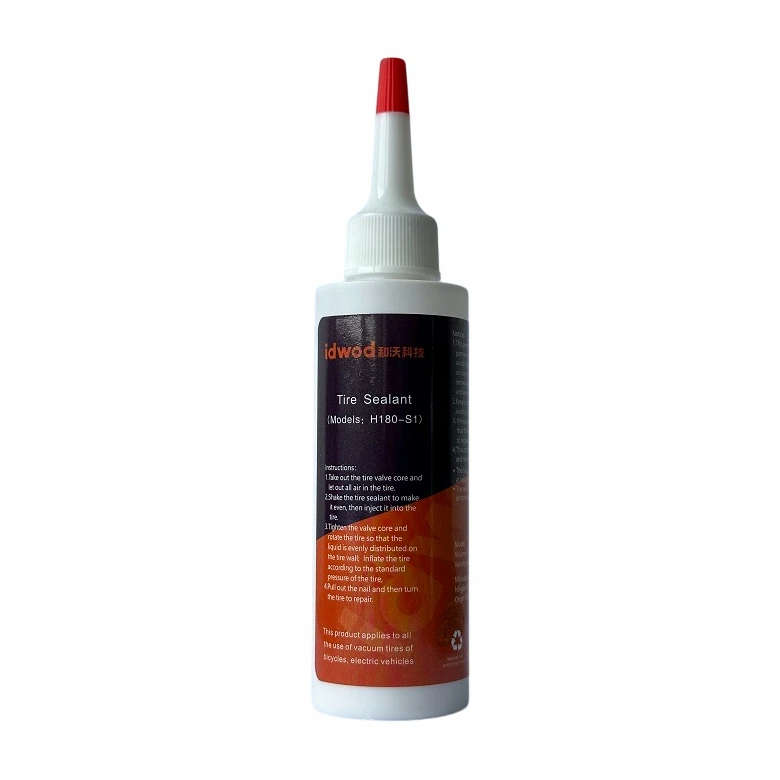
As a supplier of Street Trial Bike Tire Sealant, I often receive inquiries from cyclists about the compatibility of our products with different types of bikes. One common question that comes up is whether it's possible to use street trial bike tire sealant on a triathlon bike. In this blog post, I'll delve into this topic, exploring the key differences between these two types of bikes, the properties of tire sealants, and the potential implications of using a street trial bike tire sealant on a triathlon bike.
Understanding the Differences Between Street Trial Bikes and Triathlon Bikes
Street trial bikes and triathlon bikes are designed for very different purposes, which is reflected in their distinct features and specifications.
Street Trial Bikes
Street trial bikes are built for the demanding sport of street trials, where riders navigate through urban obstacles, perform tricks, and execute precise maneuvers. These bikes typically have the following characteristics:
- Robust Construction: They are designed to withstand the impact and stress of landing jumps and riding over rough surfaces. The frames are often made of high - strength materials such as steel or aluminum, and the components are built to be durable.
- Wide Tires: Street trial bike tires are relatively wide, usually ranging from 2.0 to 2.4 inches. The wide tires provide better traction and stability, allowing riders to maintain control during tricks and maneuvers.
- Low Pressure Tires: These tires are run at relatively low pressures, typically between 20 - 30 psi. The low pressure helps to increase the tire's contact area with the ground, enhancing grip.
Triathlon Bikes
Triathlon bikes, on the other hand, are optimized for speed in long - distance races. They have the following features:
- Aerodynamic Design: Triathlon bikes are designed with aerodynamics in mind. The frames have a streamlined shape, and the components are arranged to minimize wind resistance.
- Narrow Tires: Triathlon bike tires are much narrower than those of street trial bikes, usually between 23 - 28 mm. The narrow tires reduce rolling resistance, allowing the bike to move more efficiently through the air.
- High Pressure Tires: These tires are inflated to high pressures, often between 80 - 120 psi. The high pressure helps to further reduce rolling resistance and improve the bike's speed.
Properties of Street Trial Bike Tire Sealant
Street trial bike tire sealants are formulated to meet the specific needs of street trial riders. They typically have the following properties:
- Viscosity: Street trial bike tire sealants are often more viscous than sealants for other types of bikes. The higher viscosity helps the sealant to stay in place and form a more effective seal when a puncture occurs. This is important because street trial bikes are more likely to encounter sharp objects and rough surfaces that can cause punctures.
- Sealing Capacity: These sealants are designed to seal larger punctures. Given the nature of street trials, where riders may come into contact with nails, glass, or other debris, the sealant needs to be able to quickly and effectively seal holes up to 6mm or more in diameter.
- Long - lasting: Street trial bike tire sealants are formulated to last for a relatively long time. Since street trial riders may not have the time or opportunity to frequently check and refill their tire sealant, the sealant needs to remain effective for an extended period.
Can I Use Street Trial Bike Tire Sealant on a Triathlon Bike?
The short answer is that it's possible, but it may not be the best choice. Here are some factors to consider:
Advantages
- Puncture Protection: Using street trial bike tire sealant on a triathlon bike will provide puncture protection. If you're a triathlete who frequently rides on roads with a lot of debris, the sealant can help prevent flats and keep you on the road.
- Availability: If you already have street trial bike tire sealant on hand, it can be a convenient option. You may not need to go out and purchase a different type of sealant.
Disadvantages
- Rolling Resistance: The high viscosity of street trial bike tire sealant can increase rolling resistance on a triathlon bike. Triathlon bikes are designed to be as fast as possible, and any increase in rolling resistance can significantly affect your speed. The extra weight and drag caused by the thick sealant can slow you down, especially during long - distance races.
- Compatibility with High - Pressure Tires: Street trial bike tire sealants are formulated for low - pressure tires. When used in high - pressure triathlon bike tires, the sealant may not perform as effectively. The high pressure can cause the sealant to be forced out of the tire or prevent it from forming a proper seal.
- Balance: The extra weight of the street trial bike tire sealant can also affect the balance of the triathlon bike. Triathlon bikes are carefully balanced to optimize handling, and adding too much weight in the tires can make the bike feel less stable and more difficult to control.
Alternative Tire Sealants for Triathlon Bikes
If you're a triathlete looking for the best tire sealant for your bike, consider these alternatives:
- E - Vehicle Tire Sealant: This type of sealant is designed for vehicles that require high - speed performance and low rolling resistance. It may be a good option for triathlon bikes as it can provide effective puncture protection without significantly increasing rolling resistance.
- E - Bike Tire Sealant: E - bike tire sealants are formulated to work well with high - pressure tires. They are often lightweight and have a lower viscosity, which can help maintain the bike's speed and performance.
- Road Bike Tire Sealant: Road bike tire sealants are specifically designed for high - speed road cycling. They are optimized to provide puncture protection while minimizing rolling resistance, making them a suitable choice for triathlon bikes.
Conclusion
In conclusion, while it's technically possible to use street trial bike tire sealant on a triathlon bike, it may not be the most optimal solution. The differences in tire characteristics and the specific requirements of triathlon bikes mean that alternative sealants may be a better choice.
If you're still unsure about which tire sealant to use for your triathlon bike, I encourage you to reach out to us. As a supplier of Street Trial Bike Tire Sealant, we have extensive knowledge and experience in the field of tire sealants. We can provide you with professional advice and help you find the best sealant for your needs. Whether you're a professional triathlete or a recreational cyclist, we're here to assist you in ensuring a smooth and puncture - free ride. Contact us today to discuss your requirements and explore our range of tire sealants.

References
- Bicycle Industry Association. (2023). Technical Standards for Bicycle Tires.
- Cycling Weekly. (2023). Guide to Bike Tire Sealants.
- Triathlete Magazine. (2023). Optimizing Your Triathlon Bike for Speed.