

As a supplier of Mountain Bike Tire Sealant, I often receive inquiries from cycling enthusiasts about the compatibility of our sealant with tube - type tires. This is a crucial question that many riders, especially those new to the world of cycling, grapple with. In this blog, I'll delve into the details of whether you can use mountain bike tire sealant in a tube - type tire, exploring the science, benefits, and potential drawbacks.
Understanding Mountain Bike Tire Sealant
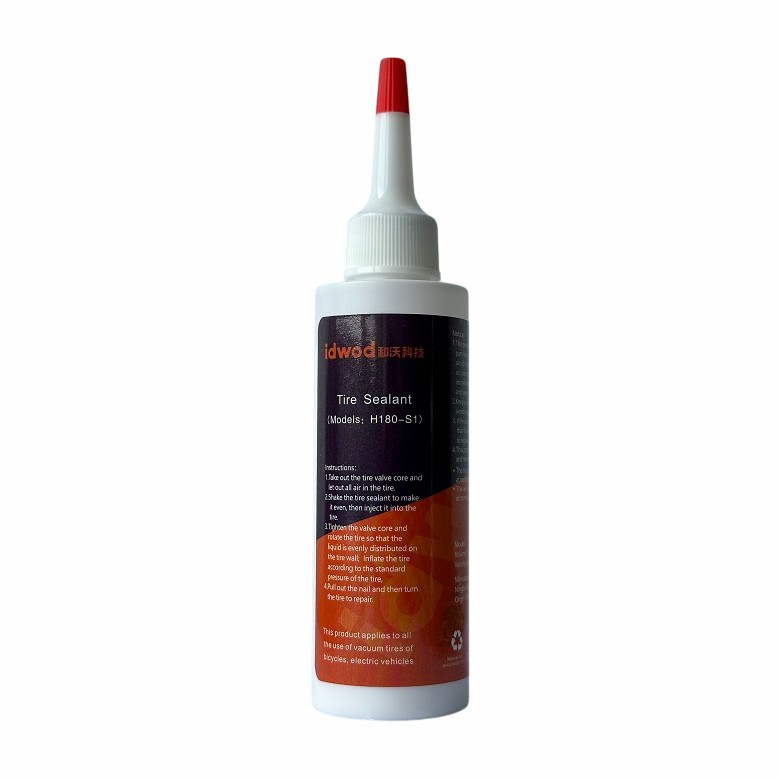
Mountain Bike Tire Sealant is a specialized product designed to prevent and repair punctures in bicycle tires. It typically consists of a liquid base, often latex or a synthetic polymer, mixed with small particles such as fibers or granules. When a puncture occurs, the sealant is forced into the hole by the air pressure inside the tire. The particles in the sealant then form a plug, sealing the puncture and preventing air from escaping.
You can learn more about our Mountain Bike Tire Sealant on our website. It's formulated to work effectively in the rough and challenging terrains that mountain bikes often encounter, providing reliable puncture protection.
Can You Use Mountain Bike Tire Sealant in a Tube - Type Tire?
The short answer is yes, you can use mountain bike tire sealant in a tube - type tire. In fact, using sealant in tube - type tires has several advantages.
Advantages of Using Sealant in Tube - Type Tires
- Puncture Protection: One of the primary benefits is enhanced puncture protection. Mountain bike tire sealant can seal small holes caused by thorns, glass, or other sharp objects. This means fewer flat tires on your rides, whether you're cruising on a mountain trail or commuting on city streets.
- Extended Tube Lifespan: By sealing punctures as they occur, the sealant reduces the stress on the tube. This can extend the lifespan of the tube, saving you money in the long run. You won't have to replace tubes as frequently due to punctures.
- Peace of Mind: Knowing that your tires are protected by sealant gives you peace of mind during your rides. You can focus on enjoying the scenery and the ride itself, rather than worrying about getting a flat tire.
How to Use Mountain Bike Tire Sealant in a Tube - Type Tire
Using mountain bike tire sealant in a tube - type tire is a relatively straightforward process. Here's a step - by - step guide:
- Remove the Wheel: First, remove the wheel from the bike. This makes it easier to work with the tire and tube.
- Deflate the Tire: Completely deflate the tire to make it easier to insert the sealant.
- Insert the Sealant: You can use a sealant injector or simply pour the sealant into the tube through the valve stem. The amount of sealant you need depends on the size of the tire. Generally, for a standard mountain bike tube, you'll need about 3 - 4 ounces of sealant.
- Re - inflate the Tire: After inserting the sealant, re - inflate the tire to the recommended pressure. Rotate the wheel a few times to distribute the sealant evenly inside the tube.
- Check for Leaks: Once the tire is inflated, check for any leaks around the valve stem or other areas. If you notice a leak, you may need to add a little more sealant or adjust the valve.
Potential Drawbacks of Using Sealant in Tube - Type Tires
While there are many advantages to using mountain bike tire sealant in tube - type tires, there are also a few potential drawbacks to consider.
1. Messy Application
Adding sealant to a tube - type tire can be a messy process. The sealant is a thick liquid, and it can spill if you're not careful. It's a good idea to work over a newspaper or a drop cloth to make cleanup easier.
2. Drying Out
Over time, the sealant can dry out inside the tube. This can reduce its effectiveness in sealing punctures. You may need to check the sealant periodically and add more if necessary.
3. Compatibility with Valve Cores
Some sealants may not be compatible with certain types of valve cores. This can cause the valve to leak or become clogged. Before using a new sealant, it's a good idea to check the manufacturer's recommendations regarding valve core compatibility.
Comparing with Other Types of Tire Sealants
It's also worth comparing mountain bike tire sealant with other types of sealants, such as Road Bike Tire Sealant and Car Tire Sealant.
Road Bike Tire Sealant
Road bike tire sealant is designed for the smoother surfaces and higher speeds of road cycling. It may have a different formulation than mountain bike tire sealant, with a focus on quick - sealing small punctures and maintaining low rolling resistance. While you could technically use mountain bike tire sealant in a road bike tube - type tire, road bike sealant may be a better choice for optimal performance on the road.
Car Tire Sealant
Car tire sealant is formulated for much larger tires and higher air pressures. It's typically designed to seal larger punctures and may not be suitable for use in bicycle tubes. Using car tire sealant in a bicycle tube could cause damage to the tube and may not provide effective puncture protection.

Conclusion
In conclusion, using mountain bike tire sealant in a tube - type tire is a viable option that offers many benefits, including enhanced puncture protection and an extended tube lifespan. However, it's important to be aware of the potential drawbacks, such as messy application and drying out of the sealant.
If you're interested in purchasing our high - quality Mountain Bike Tire Sealant, we're here to assist you. Whether you're a professional cyclist or a casual rider, our sealant can provide the puncture protection you need. Contact us to discuss your requirements and start enjoying worry - free rides.
References
- Bontrager. "Tire Sealant Basics." Bontrager Cycling.
- Park Tool Company. "Using Tire Sealant." Park Tool.