

Can I use liquid tire sealant on tube tires?
As a supplier of high - quality tire sealants, I often receive inquiries from customers about the compatibility of liquid tire sealants with tube tires. This is a crucial question, as the wrong choice can lead to ineffective sealing, tire damage, or even safety hazards. In this blog, I'll delve into the details of using liquid tire sealants on tube tires, exploring the pros, cons, and best practices.
Understanding Tube Tires
Before discussing the use of liquid tire sealants, it's essential to understand tube tires. A tube tire consists of an inner tube made of rubber, which is inflated with air and placed inside the tire casing. The tube holds the air pressure, while the tire provides traction and protection. Tube tires are commonly used in bicycles, motorcycles, and some older or specialized vehicles. They offer several advantages, such as being relatively easy to repair and replace, and they can be more forgiving of minor punctures compared to tubeless tires.
How Liquid Tire Sealants Work
Liquid tire sealants are a revolutionary product designed to seal small punctures in tires automatically. The sealant is typically a viscous liquid containing fibers, particles, and additives. When a puncture occurs, the air pressure inside the tire forces the sealant to the puncture site. The fibers and particles in the sealant form a plug, preventing air from escaping and sealing the hole. This process can happen almost instantaneously, allowing you to continue your journey without having to stop and change a flat tire.
The Case for Using Liquid Tire Sealant on Tube Tires
There are several compelling reasons to consider using liquid tire sealant on tube tires:
1. Puncture Protection
One of the primary benefits is enhanced puncture protection. Tube tires are vulnerable to punctures from nails, thorns, and other sharp objects. By adding a liquid tire sealant to the inner tube, you create an extra layer of defense. Even if a puncture occurs, the sealant can quickly seal the hole, reducing the likelihood of a flat tire. This is especially useful for cyclists and motorcyclists who frequently ride on rough or debris - filled roads.
2. Extended Tire Life
Sealants can also help extend the life of your tube tires. Minor punctures that are quickly sealed by the sealant prevent air leakage, which can cause the tire to run under - inflated. Riding on under - inflated tires can lead to uneven wear, increased heat generation, and ultimately, premature tire failure. By maintaining proper tire pressure, the sealant helps ensure that your tires wear evenly and last longer.
3. Convenience
Using a liquid tire sealant adds a level of convenience. You no longer have to carry a patch kit or worry about changing a flat tire on the side of the road. In many cases, the sealant will seal the puncture automatically, allowing you to keep going without interruption. This is particularly beneficial for long - distance riders or those who don't have the time or skills to perform a tire repair on the spot.
Potential Drawbacks
While there are many advantages to using liquid tire sealant on tube tires, there are also some potential drawbacks to consider:
1. Compatibility Issues
Not all liquid tire sealants are suitable for tube tires. Some sealants may contain chemicals that can react with the rubber of the inner tube, causing it to deteriorate over time. It's essential to choose a sealant that is specifically formulated for use with tube tires. As a tire sealant supplier, we offer a range of products that are carefully tested to ensure compatibility with tube tires.
2. Messy Application and Maintenance
Applying a liquid tire sealant to a tube tire can be a messy process. You need to remove the valve core from the inner tube and inject the sealant into the tube. This can be tricky, and there is a risk of spilling the sealant. Additionally, over time, the sealant can dry out or separate, requiring periodic maintenance or replacement.
3. Limited Sealing Capacity
Liquid tire sealants have a limited sealing capacity. They are generally effective for small punctures (up to a certain size, usually around 1/4 inch or less). Larger punctures may not be sealed properly, and in some cases, the tire may still go flat.
Best Practices for Using Liquid Tire Sealant on Tube Tires
If you decide to use a liquid tire sealant on your tube tires, here are some best practices to follow:
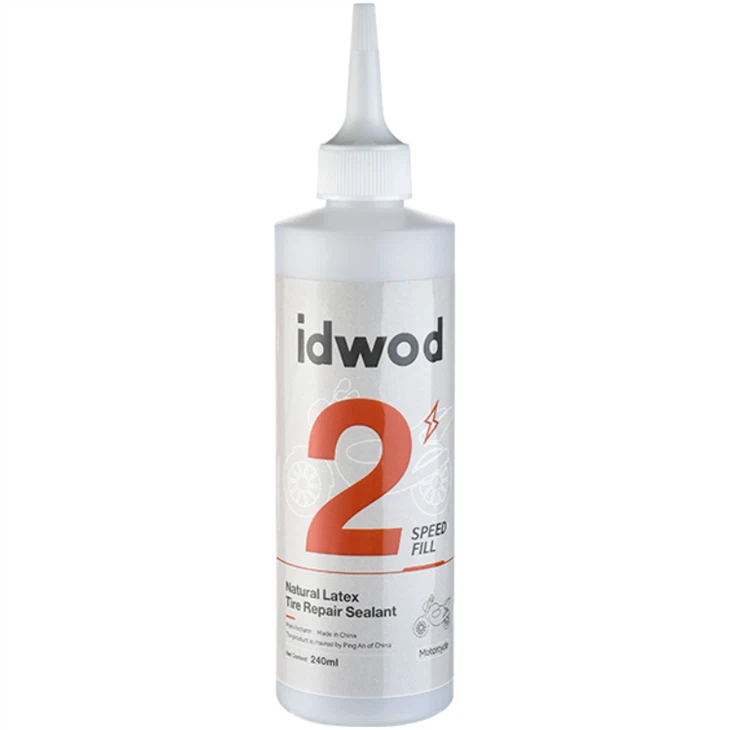

1. Choose the Right Sealant
As mentioned earlier, it's crucial to choose a sealant that is compatible with tube tires. Look for a product that is specifically labeled for use with tube tires and has a good reputation for performance. Our Electric Motorcycle Tire Sealant, Street Trial Bike Tire Sealant, and Tricycle Tire Sealant are all designed to work effectively with tube tires.
2. Proper Application
Follow the manufacturer's instructions for applying the sealant. Generally, you will need to remove the valve core from the inner tube and use a syringe or other applicator to inject the sealant into the tube. Make sure to add the correct amount of sealant, as too little may not provide adequate sealing, while too much can cause imbalance or other issues.
3. Regular Inspection and Maintenance
Periodically inspect your tires for signs of sealant drying out or separating. If the sealant has dried up, it may need to be replaced. You can also check the tire pressure regularly to ensure that the sealant is still working effectively.
Conclusion
In conclusion, using a liquid tire sealant on tube tires can be a great way to enhance puncture protection, extend tire life, and add convenience. However, it's important to choose the right sealant, follow proper application procedures, and be aware of the potential drawbacks. As a tire sealant supplier, we are committed to providing high - quality products that are safe and effective for use with tube tires.
If you're interested in learning more about our tire sealants or have any questions about using them on tube tires, we encourage you to reach out to us. We'd be happy to discuss your specific needs and help you find the best solution for your tires. Whether you're a cyclist, motorcyclist, or tricycle rider, our sealants can provide the protection you need to keep you on the road. Contact us today to start a conversation about your tire sealant requirements and explore our product range.
References
- "Tire Sealant Technology: A Comprehensive Guide", Tire Industry Journal, 2022
- "The Effects of Liquid Tire Sealants on Inner Tube Lifespan", Rubber Research Institute, 2021
- "Best Practices for Using Tire Sealants in Tube Tires", Cycling World Magazine, 2023