

As a supplier of Street Trial Bike Tire Sealant, I often get asked a crucial question from enthusiasts and professionals alike: "Can I mix different brands of street trial bike tire sealant?" This query is not only common but also significant as it directly impacts the performance, safety, and longevity of the tires. In this blog, I'll delve into the science behind tire sealants, the potential risks and benefits of mixing different brands, and offer some practical advice based on my experience in the industry.
Understanding Street Trial Bike Tire Sealants
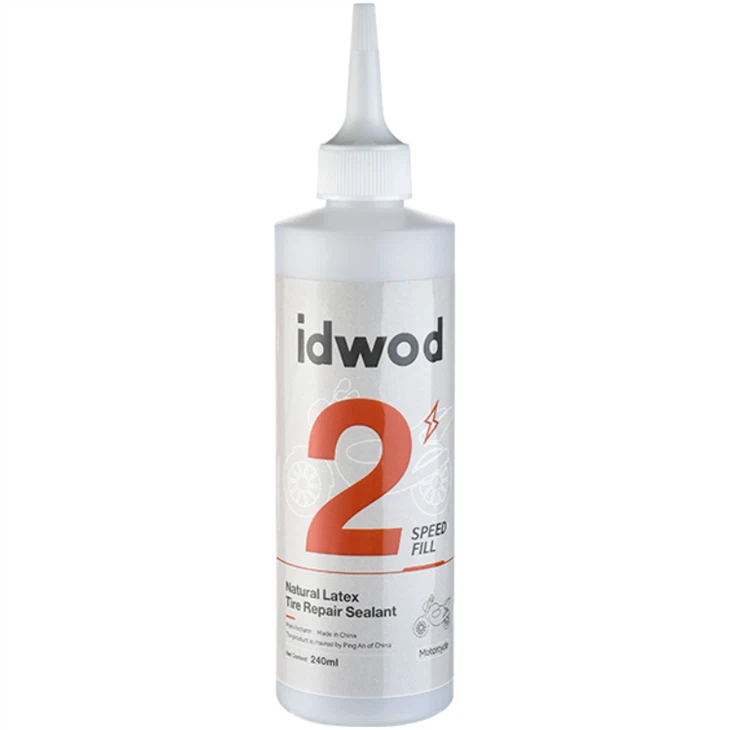
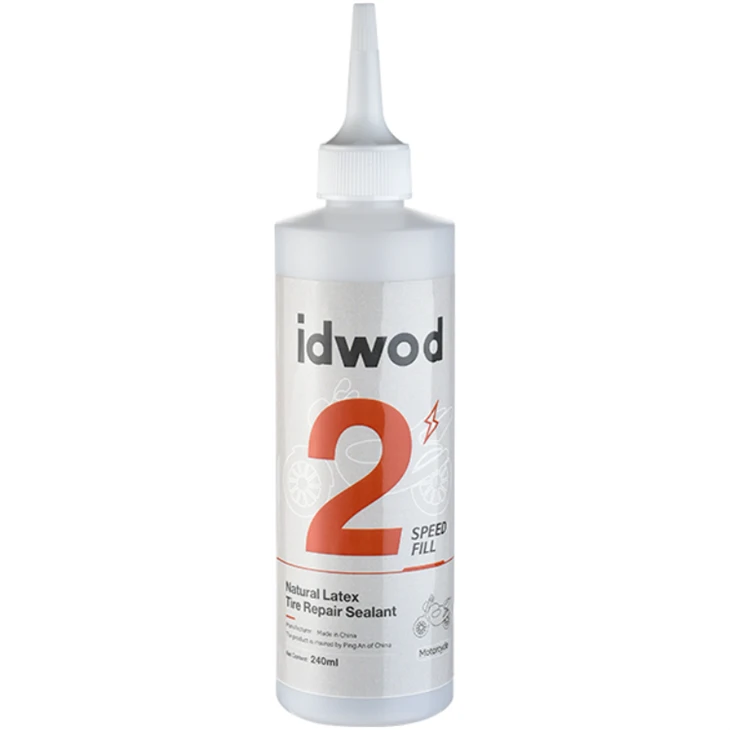
Before we discuss the mixing of different brands, it's essential to understand what street trial bike tire sealants are and how they work. Tire sealants are liquid compounds that are injected into the inner tube or tubeless tire system. Their primary function is to seal small punctures and leaks, preventing air from escaping and keeping the tire inflated. This is particularly important for street trial bikes, which often encounter sharp objects and rough terrain that can cause punctures.
Most tire sealants contain a combination of polymers, fibers, and solvents. The polymers form a flexible seal when they come into contact with air, while the fibers reinforce the seal and prevent it from breaking. The solvents help the sealant flow easily inside the tire and keep the other components in suspension.
The Case Against Mixing Different Brands
While it might seem convenient to mix different brands of tire sealant, there are several reasons why this is generally not recommended.
Chemical Incompatibility
Different brands of tire sealants may use different chemical formulations. When these formulations are mixed, they can react with each other in unpredictable ways. For example, the polymers in one brand may not be compatible with the solvents in another brand, leading to the formation of clumps or a thick, sticky substance. This can clog the valve stem, prevent the sealant from flowing properly, and reduce its effectiveness in sealing punctures.
Performance Variations
Each brand of tire sealant is designed to have specific performance characteristics, such as sealing speed, durability, and resistance to temperature changes. Mixing different brands can result in a sealant with inconsistent performance. For instance, one brand may be excellent at sealing small punctures quickly, while another may be better at providing long-term durability. When they are mixed, the overall performance of the sealant may be compromised.
Warranty Issues
Most tire sealant manufacturers provide a warranty for their products. However, mixing different brands can void this warranty. If you encounter a problem with your tire sealant and it is found that you have mixed different brands, the manufacturer may refuse to honor the warranty.
The Potential Benefits of Mixing (Under Certain Circumstances)
While the risks of mixing different brands of tire sealant are significant, there are some situations where it may be considered.
Emergency Situations
In an emergency, when you run out of sealant and don't have access to the same brand, mixing a small amount of a different brand may be a temporary solution. However, this should only be done as a last resort, and you should replace the mixed sealant with a single brand as soon as possible.
Customizing Performance
In some cases, experienced riders or mechanics may want to customize the performance of the tire sealant. For example, they may want to combine a fast-sealing sealant with a long-lasting one to achieve the best of both worlds. However, this requires a deep understanding of the chemical properties of different sealants and should only be attempted by professionals.
Practical Advice
If you are considering using tire sealant for your street trial bike, here are some practical tips:
Stick to One Brand
To ensure the best performance and avoid potential problems, it's recommended to stick to one brand of tire sealant. This way, you can be confident that the sealant will work as intended and that you won't encounter any chemical compatibility issues.
Follow the Manufacturer's Instructions
Each brand of tire sealant comes with specific instructions on how to use it. Make sure to read and follow these instructions carefully. This includes the recommended amount of sealant to use, the method of injection, and the maintenance procedures.
Regularly Check and Replace the Sealant
Tire sealant has a limited lifespan. Over time, it can dry out, lose its effectiveness, or form clumps. It's important to regularly check the condition of the sealant and replace it as needed. Most manufacturers recommend replacing the sealant every 6 to 12 months, depending on the usage and environmental conditions.
Other Types of Tire Sealants
In addition to street trial bike tire sealants, there are other types of tire sealants available for different types of vehicles. For example, E-Vehicle Tire Sealant is specifically designed for electric vehicles, which have different tire requirements compared to traditional bikes. Motorcycle Tire Sealant is formulated to handle the higher speeds and heavier loads of motorcycles. And Tricycle Tire Sealant is suitable for tricycles, which have unique tire sizes and configurations.
Conclusion
In conclusion, while it is technically possible to mix different brands of street trial bike tire sealant, it is generally not recommended due to the potential risks of chemical incompatibility, performance variations, and warranty issues. It's best to stick to one brand and follow the manufacturer's instructions for the best results.
If you have any questions about our Street Trial Bike Tire Sealant or are interested in learning more about our other products, we encourage you to reach out for a procurement discussion. Our team of experts is always ready to assist you in finding the right tire sealant solution for your needs.
References
- "Tire Sealant Technology: A Comprehensive Guide" - Tire Industry Association
- "Chemical Compatibility of Tire Sealants" - Journal of Automotive Engineering
- Manufacturer's product manuals and technical data sheets