

Hey there, fellow drivers! I'm a supplier of car tyre sealant and inflator, and I often get asked a bunch of questions about these nifty products. One question that pops up a lot is, "Can car tyre sealant and inflator be used on a tyre with a screw in it?" Well, let's dig into this topic and find out.
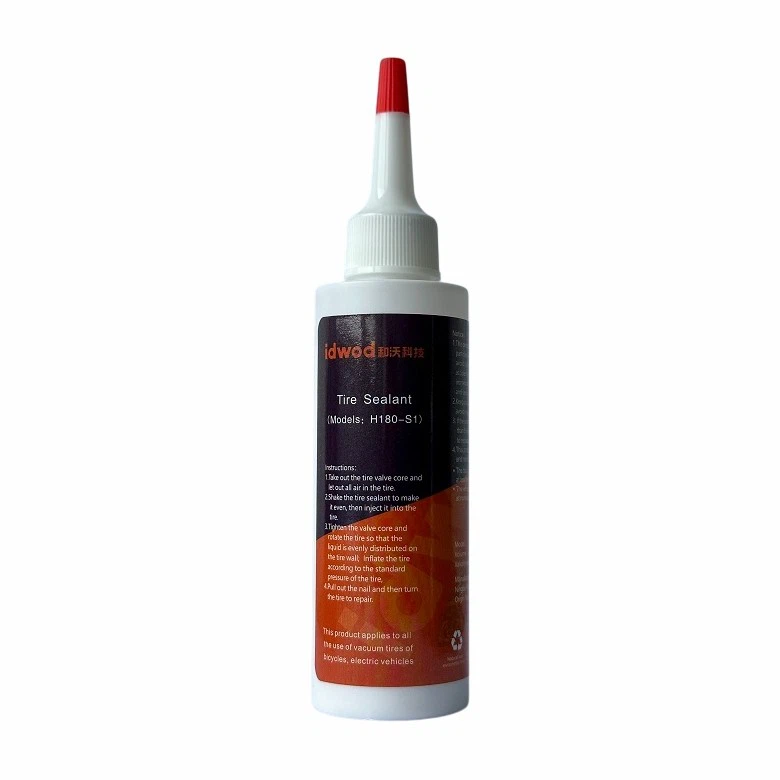
First off, let's understand what car tyre sealant and inflator are all about. A tyre sealant is a liquid substance that, when injected into a flat or under - inflated tyre, can seal small punctures and leaks. The inflator part, as the name suggests, is used to pump air into the tyre to bring it up to the correct pressure.
Now, when it comes to a tyre with a screw in it, the answer isn't a simple yes or no. It depends on a few factors.
Size of the Screw
The size of the screw is a crucial factor. If the screw is small, say a self - tapping screw that's less than 6mm in diameter, there's a good chance that the tyre sealant can do its job. The sealant works by flowing to the puncture site and forming a plug. Smaller holes are easier to seal because the sealant can quickly fill the gap and create an airtight seal.
However, if the screw is large, like a thick wood screw or a screw with a wide head, the sealant might not be able to seal the hole effectively. A large hole can allow a large amount of air to escape, and the pressure inside the tyre might be too high for the sealant to form a proper plug. In such cases, using a tyre sealant and inflator might only provide a temporary fix, and you'll likely end up with a flat tyre again soon.

Location of the Screw
The location of the screw in the tyre also matters. If the screw is in the tread area of the tyre, which is the thickest part, the chances of the sealant working are higher. The tread area is designed to withstand more wear and tear, and the sealant can better adhere to the rubber in this area.
On the other hand, if the screw is in the sidewall of the tyre, it's a different story. The sidewall is thinner and more flexible than the tread area. A puncture in the sidewall is much more difficult to seal because the constant flexing of the tyre can break the seal that the sealant creates. Using a tyre sealant and inflator on a sidewall puncture is generally not recommended, as it can be a safety hazard. The sidewall is responsible for maintaining the shape of the tyre and supporting the weight of the vehicle, and a compromised sidewall can lead to a blowout.
Type of Tyre
Different types of tyres react differently to tyre sealants. For example, tubeless tyres are more compatible with tyre sealants. Tubeless tyres are designed to hold air without an inner tube, and the sealant can easily flow to the puncture site and seal it.
On the other hand, if you have a tube - type tyre, using a tyre sealant can be a bit more complicated. The sealant might not reach the puncture site as easily because it has to pass through the tube. Also, the sealant can sometimes cause damage to the inner tube over time, leading to more problems.
How to Use Tyre Sealant and Inflator on a Tyre with a Screw
If you've determined that it's safe to use a tyre sealant and inflator on a tyre with a screw, here's how you can do it:
- Prepare the Tyre Sealant and Inflator: Make sure you have a good - quality tyre sealant and inflator. Read the instructions on the sealant carefully before use.
- Remove the Screw (with Caution): If the screw is loose, you can carefully remove it. But be prepared for air to start escaping. If the screw is firmly lodged, it's best to leave it in until you've injected the sealant.
- Inject the Sealant: Attach the sealant to the valve stem of the tyre. Follow the instructions to inject the correct amount of sealant into the tyre.
- Inflate the Tyre: Use the inflator to pump air into the tyre until it reaches the recommended pressure. You can usually find the recommended pressure on a sticker inside the driver's door or in the vehicle's manual.
- Check the Seal: After inflating the tyre, let it sit for a few minutes. Then, check the tyre pressure again and look for any signs of air leakage around the puncture site. If the pressure holds and there are no signs of leakage, the sealant has likely done its job.
Limitations of Tyre Sealant and Inflator
It's important to note that tyre sealant and inflator are not a permanent solution. They are designed to be a temporary fix to get you to a safe place or a tyre repair shop. Even if the sealant manages to seal the puncture, the tyre might not be in the best condition.
The sealant can sometimes leave a residue inside the tyre, which can affect the balance of the tyre. Also, using a sealant on a tyre with a large or deep puncture can weaken the tyre structure over time.
Other Applications of Tyre Sealant and Inflator
Our tyre sealant and inflator products aren't just for cars. We also have products suitable for other types of vehicles. For example, if you have a tricycle, you can check out our Tricycle Tire Sealant and Inflator. It's specifically designed to seal and inflate tricycle tyres.
Mountain bike enthusiasts can benefit from our Mountain Bike Tire Sealant and Inflator. Mountain bike tyres are often exposed to sharp rocks and thorns, and a puncture is a common problem. Our sealant can quickly seal small punctures and get you back on the trail.
And for those who own e - vehicles, we have the E - Vehicle Tire Sealant and Inflator. E - vehicles have unique tyre requirements, and our product is formulated to meet those needs.
Conclusion
So, can car tyre sealant and inflator be used on a tyre with a screw in it? It depends on the size of the screw, the location of the screw, and the type of tyre. In many cases, it can provide a temporary fix, but it's not a permanent solution.
If you're looking for a reliable tyre sealant and inflator for your vehicles, whether it's a car, tricycle, mountain bike, or e - vehicle, we've got you covered. Our products are designed to be easy to use and effective in sealing small punctures.
If you're interested in purchasing our products or have any questions, feel free to reach out to us for a procurement discussion. We're always happy to help you find the right solution for your tyre needs.
References
- "Tire Repair: When to Patch, When to Replace." Consumer Reports.
- "How Tire Sealants Work." Popular Mechanics.