

What is the minimum tyre pressure required to use a Tyre Seal Kit?
As a supplier of Tyre Seal Kits, I've encountered numerous inquiries from customers regarding the minimum tyre pressure required to effectively use our products. Understanding this crucial aspect is essential for ensuring the proper functioning of the tyre seal kit and, ultimately, the safety and performance of your vehicle. In this blog post, I'll delve into the science behind tyre seal kits, explore the factors that influence the minimum tyre pressure, and provide some practical guidelines to help you make informed decisions.
How Tyre Seal Kits Work
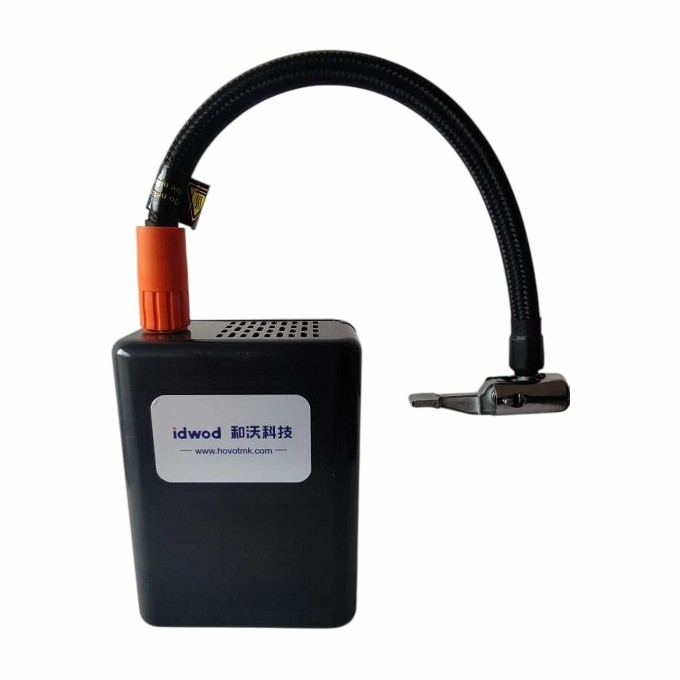
Before we discuss the minimum tyre pressure, let's briefly understand how tyre seal kits operate. A typical tyre seal kit consists of a sealant and an inflator. When a tyre gets punctured, the sealant is injected into the tyre through the valve stem. As the tyre rotates, the sealant spreads around the inner surface of the tyre and fills the puncture hole, creating a temporary seal. The inflator then pumps air into the tyre to restore the proper pressure, allowing you to drive to a safe location for a more permanent repair.

Factors Affecting the Minimum Tyre Pressure
The minimum tyre pressure required to use a tyre seal kit can vary depending on several factors, including the type of vehicle, the size and type of the tyre, and the design of the sealant and inflator. Here are some key factors to consider:
- Vehicle Type: Different vehicles have different tyre pressure requirements. For example, cars typically require a lower tyre pressure compared to trucks or SUVs. This is because cars have lighter weight and smaller tyres, which require less air pressure to support the vehicle's weight.
- Tyre Size and Type: The size and type of the tyre also play a significant role in determining the minimum tyre pressure. Larger tyres generally require higher air pressure to maintain their shape and performance. Additionally, different types of tyres, such as radial tyres or bias-ply tyres, may have different pressure requirements.
- Sealant and Inflator Design: The design of the sealant and inflator can also affect the minimum tyre pressure required. Some sealants are designed to work effectively at lower pressures, while others may require a higher pressure to ensure proper sealing. Similarly, the inflator's capacity and performance can influence the time it takes to reach the recommended tyre pressure.
Recommended Minimum Tyre Pressure
Based on our extensive experience and testing, we recommend a minimum tyre pressure of 10 psi (pounds per square inch) to use our Tyre Seal Kits effectively. This pressure ensures that the sealant can spread evenly around the inner surface of the tyre and fill the puncture hole. However, it's important to note that this is a general guideline, and the actual minimum tyre pressure may vary depending on the factors mentioned above.
If the tyre pressure is below 10 psi, the sealant may not be able to flow properly, resulting in an ineffective seal. In such cases, it's advisable to use a manual or electric air pump to inflate the tyre to at least 10 psi before using the tyre seal kit. This will help ensure that the sealant can do its job and provide a reliable temporary repair.
Using Our Tyre Seal Kits
At our company, we offer a range of Tyre Seal Kits designed to meet the needs of different vehicles. Our E-Vehicle Tire Sealant and Inflator is specifically formulated for electric vehicles, providing a quick and easy solution for puncture repairs. Our Car Tire Sealant and Inflator is suitable for most cars and offers reliable performance in various conditions. And our Motorcycle Tire Sealant and Inflator is designed to meet the unique requirements of motorcycles, ensuring a safe and convenient ride.
To use our Tyre Seal Kits, simply follow these steps:
- Prepare the Tyre: Make sure the tyre is cool to the touch and free of any debris or dirt around the valve stem.
- Connect the Inflator: Attach the inflator to the valve stem of the punctured tyre.
- Inject the Sealant: Shake the sealant bottle well and then connect it to the inflator. Follow the instructions on the sealant bottle to inject the appropriate amount of sealant into the tyre.
- Inflate the Tyre: Use the inflator to pump air into the tyre until it reaches the recommended pressure. Refer to your vehicle's owner's manual or the tyre placard for the correct tyre pressure.
- Check the Seal: After inflating the tyre, drive the vehicle slowly for a few minutes to allow the sealant to spread and form a seal. Then, check the tyre pressure again to ensure it remains stable.
Conclusion
In conclusion, the minimum tyre pressure required to use a Tyre Seal Kit is typically 10 psi. However, it's important to consider the specific requirements of your vehicle and tyre when determining the appropriate pressure. By following the guidelines provided in this blog post and using our high-quality Tyre Seal Kits, you can ensure a quick and effective repair in the event of a puncture.
If you have any further questions or would like to learn more about our Tyre Seal Kits, please don't hesitate to contact us. We're here to help you find the best solution for your tyre repair needs. Whether you're a car owner, an electric vehicle enthusiast, or a motorcycle rider, we have the right product for you. Contact us today to discuss your requirements and explore our range of Tyre Seal Kits.
References
- Tire Industry Association (TIA). (n.d.). Tire Pressure Guidelines. Retrieved from [TIA Website]
- National Highway Traffic Safety Administration (NHTSA). (n.d.). Tire Safety. Retrieved from [NHTSA Website]