

Hey there! I'm from a Car Tyre Puncture Repair supplier, and I often get asked this question: "Is it safe to drive with a punctured car tyre?" Well, let's dig into this topic and find out.
First off, what exactly happens when a tyre gets punctured? A puncture occurs when something sharp, like a nail or a piece of glass, pierces the tyre. This creates a hole, and the air inside the tyre starts to leak out. As the air pressure drops, the tyre loses its shape and support.
Now, the short answer to whether it's safe to drive with a punctured tyre is usually no. But it's not always that straightforward. There are a few factors to consider.
The Size of the Puncture
The size of the hole in the tyre is a crucial factor. A small puncture, like a tiny nail hole, might not cause the tyre to lose air rapidly. In some cases, you might not even notice it right away. However, even a small puncture can be a problem. Over time, the air will continue to leak, and the tyre will gradually lose pressure. This can lead to uneven wear on the tyre, which affects the handling of your car. If you keep driving on a tyre with a small puncture for too long, it can eventually cause the tyre to fail completely, which is extremely dangerous, especially at high speeds.
On the other hand, a large puncture, such as a gash from a piece of metal, is a different story. A big hole will cause the tyre to lose air very quickly. You'll likely notice a sudden change in the way your car drives, like a pulling sensation to one side. Driving with a tyre that has a large puncture is extremely unsafe. The tyre can deflate completely in a matter of seconds, which can cause you to lose control of the vehicle and potentially lead to an accident.
The Location of the Puncture
Where the puncture is located on the tyre also matters. Punctures in the tread area, which is the part of the tyre that makes contact with the road, are generally more repairable than those on the sidewall. The tread is thicker and more durable, so it can often withstand a puncture and still be safe to drive on for a short distance. However, if the puncture is close to the edge of the tread or in a high-stress area, it might not be safe to drive on at all.
Punctures on the sidewall are a major concern. The sidewall is much thinner than the tread, and it doesn't have the same level of support. A puncture on the sidewall can cause the tyre to bulge or even blow out. Driving with a sidewall puncture is extremely dangerous, and you should never attempt to do so. If you notice a puncture on the sidewall, you should stop driving immediately and have the tyre replaced.
The Type of Tyre
Different types of tyres have different characteristics, and this can affect how safe it is to drive with a puncture. For example, run-flat tyres are designed to allow you to drive for a limited distance even after a puncture. These tyres have reinforced sidewalls that can support the weight of the vehicle even when the tyre is flat. However, even with run-flat tyres, you should still avoid driving long distances on a punctured tyre. The recommended distance for driving on a run-flat tyre after a puncture is usually around 50 to 80 miles, and you should drive at a reduced speed.
Regular tyres, on the other hand, are not designed to be driven on when punctured. Once a regular tyre loses air, it can quickly become damaged and unsafe to drive on. If you have a regular tyre with a puncture, you should stop driving as soon as it's safe to do so and have the tyre repaired or replaced.
What to Do If You Have a Punctured Tyre
If you suspect that you have a punctured tyre, the first thing you should do is pull over to a safe location. This could be the side of the road, a parking lot, or a service station. Once you're safely stopped, check the tyre to see if you can find the puncture. If you see a nail or other object sticking out of the tyre, don't remove it. Removing the object can cause the air to leak out more quickly.

If you have a spare tyre and the necessary tools, you can change the tyre yourself. However, if you're not comfortable changing a tyre or if you don't have a spare, you should call for roadside assistance. They can come to your location and either repair the tyre or tow your car to a tyre repair shop.
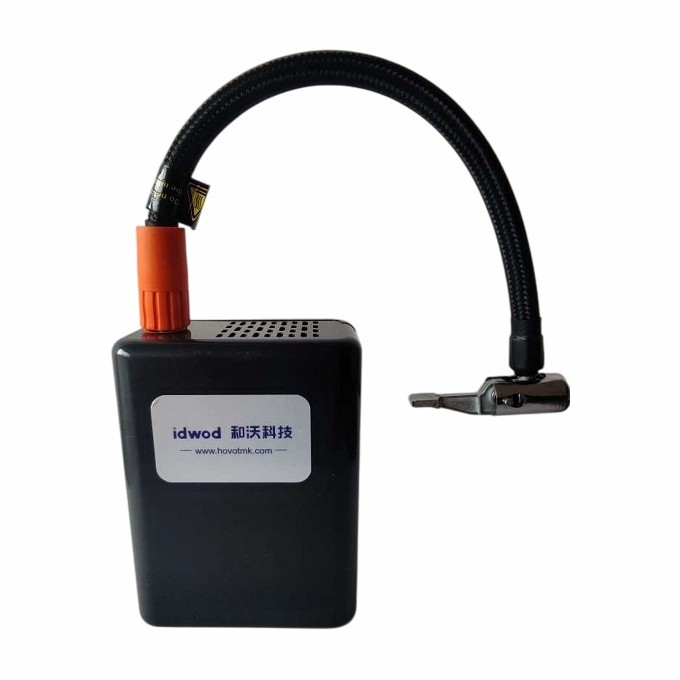
At our Car Tyre Puncture Repair service, we offer a range of solutions to fix punctured tyres. We use high-quality Road Bike Tire Sealant and Inflator for smaller punctures. This sealant can quickly fill the hole and reinflate the tyre, allowing you to get back on the road safely. For more serious punctures, we have the expertise and equipment to repair or replace the tyre.
We also offer Tricycle Tire Sealant and Inflator and Street Trial Bike Tire Sealant and Inflator for those who need to repair the tyres of their non-car vehicles. These sealants are specially formulated to work with the unique requirements of different types of tyres.
Conclusion
In conclusion, driving with a punctured car tyre is generally not safe. The size, location, and type of the puncture all play a role in determining the level of risk. Even a small puncture can lead to serious problems if left untreated. If you have a punctured tyre, it's important to take action quickly to avoid putting yourself and others at risk.
If you're looking for a reliable Car Tyre Puncture Repair service, don't hesitate to get in touch with us. We're here to help you keep your tyres in top condition and ensure your safety on the road. Whether you need a simple repair or a full tyre replacement, we've got you covered.
References
- "Tire Safety: Understanding Punctures and Repairs." National Highway Traffic Safety Administration.
- "How to Fix a Punctured Tire." Consumer Reports.
- "Run-Flat Tires: What You Need to Know." Tire Rack.