

Hey there! I'm a supplier of tire sealant and inflator, and I know that sometimes you might need to remove the sealant and inflator from your tire. Maybe you're looking to replace the sealant with a fresh batch, or perhaps you've had a flat and want to properly clean out the old stuff before fixing the tire. Whatever the reason, I'm here to walk you through the process.
Why You Might Need to Remove Tire Sealant and Inflator
First off, let's talk about why you'd even want to remove the sealant and inflator. Over time, tire sealant can dry out, clump up, or lose its effectiveness. This can lead to reduced performance in sealing punctures and may even cause issues with the tire's balance. Also, if you've used the sealant to fix a large puncture, there might be a significant amount of sealant inside the tire that could affect its normal operation.
Tools You'll Need
Before we get started, you'll need to gather a few tools. Here's what you'll need:
- A tire iron or bead breaker: This is used to remove the tire from the rim.
- A bucket or container: To collect the sealant as you drain it out.
- A hose or tube: To help flush out the remaining sealant.
- Water: To clean the inside of the tire.
- A brush: To scrub away any stubborn sealant residue.
Step-by-Step Guide to Removing Tire Sealant and Inflator
Step 1: Deflate the Tire
The first step is to completely deflate the tire. Use a valve core tool to remove the valve core from the tire valve. This will allow all the air to escape quickly. Make sure to keep the valve core in a safe place so you don't lose it.
Step 2: Remove the Tire from the Rim
Once the tire is deflated, use a tire iron or bead breaker to remove the tire from the rim. Start by inserting the tire iron between the tire bead and the rim and pry the bead over the rim. Work your way around the tire, moving the tire iron to different spots until the entire bead is off the rim. Be careful not to damage the rim or the tire during this process.
Step 3: Drain the Sealant
With the tire off the rim, turn it upside down over a bucket or container. Let the sealant drain out into the container. You might need to gently shake the tire to help the sealant flow out more easily. Some sealants can be quite thick, so it might take a while for all of it to drain.
Step 4: Flush the Tire
After most of the sealant has drained out, it's time to flush the inside of the tire. Use a hose or tube to run water into the tire. Keep the water running for a few minutes to help loosen and wash away any remaining sealant. You can also use a brush to scrub the inside of the tire to remove any stubborn sealant residue.
Step 5: Rinse and Dry the Tire
Once you've flushed the tire, rinse it thoroughly with clean water to make sure all the sealant is removed. Then, let the tire dry completely before reinstalling it on the rim. You can leave it in a well-ventilated area or use a fan to speed up the drying process.
Step 6: Reinstall the Tire on the Rim
After the tire is dry, it's time to reinstall it on the rim. Start by lubricating the tire bead with some soapy water to make it easier to install. Then, carefully place the tire bead over the rim and work your way around the tire, pushing the bead into place. Use a tire iron to help seat the bead if necessary.
Step 7: Inflate the Tire
Once the tire is back on the rim, reinstall the valve core in the tire valve. Then, use an air compressor or a hand pump to inflate the tire to the recommended pressure. Check the tire pressure with a tire pressure gauge to make sure it's correct.

Different Types of Tires and Sealants
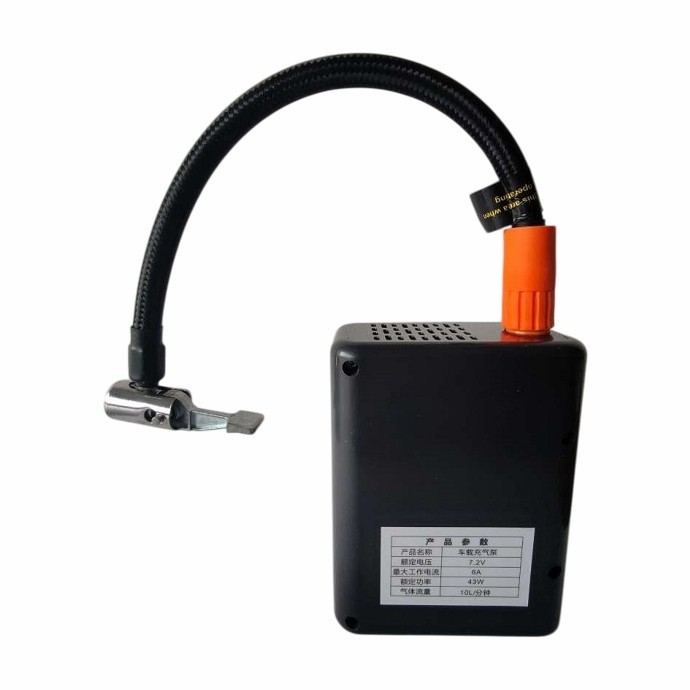
It's important to note that different types of tires and sealants might require slightly different removal methods. For example, Tricycle Tire Sealant and Inflator might be used in smaller tires, which could be easier to handle. On the other hand, Road Bike Tire Sealant and Inflator and Electric Motorcycle Tire Sealant and Inflator are used in different types of tires with different sizes and characteristics.
Tips and Tricks
- If the sealant is really thick and hard to drain, you can try heating the tire slightly to make the sealant more fluid. However, be careful not to overheat the tire as this could damage it.
- When flushing the tire with water, make sure to use enough water to thoroughly clean the inside of the tire. You might need to repeat the flushing process a few times to get all the sealant out.
- If you're having trouble removing the tire from the rim, you can try using a little bit of lubricant on the tire bead to make it easier to slide over the rim.
Conclusion
Removing tire sealant and inflator from your tire might seem like a daunting task, but with the right tools and a little bit of patience, it's definitely doable. By following the steps outlined in this guide, you can effectively remove the old sealant and inflator from your tire and get it ready for a fresh start.
If you're in the market for high-quality tire sealant and inflator, we've got you covered. We offer a wide range of products suitable for different types of tires, including tricycles, road bikes, and electric motorcycles. Whether you're a professional mechanic or a DIY enthusiast, our products are designed to provide reliable performance. If you're interested in purchasing our products or have any questions, feel free to reach out to us for a purchase negotiation.
References
- Automotive Tire Repair Manuals
- Online resources on tire maintenance and repair