

Hey there, fellow e - bike enthusiasts! As a supplier of E - Bike Tire Sealant, I get asked a lot about how to make sure the sealant is evenly distributed in the tire. It's a crucial step to ensure your e - bike tires perform at their best and stay puncture - free. So, let's dive right in and explore some effective ways to achieve that even distribution.
First off, let's understand why even distribution matters. E - bike tire sealant is designed to quickly seal small punctures in the tire, preventing air from escaping and keeping you on the road. If the sealant isn't evenly spread, there could be areas in the tire that are left unprotected. When a puncture occurs in one of these areas, the sealant won't be there to do its job, and you might end up with a flat tire.
Pre - Installation Preparation
Before you start adding the sealant, it's important to prepare the tire properly. Make sure the tire is clean. Any dirt, debris, or old sealant inside the tire can interfere with the new sealant's ability to spread evenly. You can use a mild soap and water solution to clean the inside of the tire. Rinse it thoroughly and let it dry completely.
Another thing to check is the valve stem. Make sure it's in good condition and not clogged. A clogged valve stem can make it difficult to add the sealant and may also affect the tire's inflation. If you notice any issues with the valve stem, it's a good idea to replace it before proceeding.
Adding the Sealant
Now, let's talk about adding the sealant. There are a few different methods, but one of the most common is using a sealant injector. This is a handy tool that allows you to inject the sealant directly into the tire through the valve stem.
First, you'll need to deflate the tire completely. This makes it easier for the sealant to flow into the tire. Then, attach the injector to the valve stem. Make sure it's a secure fit to prevent any leaks. Slowly squeeze the injector to add the recommended amount of sealant. The amount of sealant you need depends on the size of your tire. You can usually find this information on the sealant bottle or in the product manual.
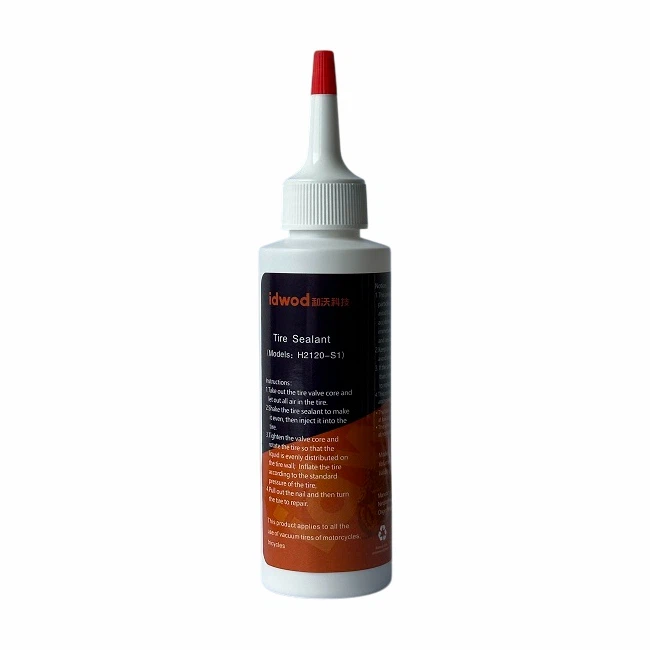

If you don't have a sealant injector, you can also remove the tire from the rim and pour the sealant directly into the tire. This method gives you more control over where the sealant goes, but it's a bit more time - consuming. Once you've added the sealant, carefully put the tire back on the rim and make sure it's properly seated.
Rotating the Tire
After adding the sealant, the next step is to rotate the tire. This helps the sealant spread evenly around the inside of the tire. You can do this by hand if the bike is off the ground. Just turn the wheel slowly in both directions a few times.
If your bike is on the ground, you can take it for a short ride. Riding the bike allows the tire to rotate naturally, which helps distribute the sealant. Start with a slow and steady ride for about 5 - 10 minutes. This gives the sealant enough time to spread out.
Checking for Even Distribution
Once you've rotated the tire, it's a good idea to check if the sealant is evenly distributed. You can do this by listening for any sloshing sounds. If you hear a lot of sloshing in one area and not much in others, it could mean the sealant isn't evenly spread.
Another way to check is by removing the valve core and letting out a small amount of air. If the sealant comes out evenly with the air, it's a good sign that it's distributed well. If you notice large globs of sealant coming out at once, it might be necessary to rotate the tire some more.
Maintaining Even Distribution
Even after you've achieved even distribution, it's important to maintain it. Over time, the sealant can settle or dry out in certain areas. To prevent this, it's a good idea to rotate your tires regularly. If you have a spare tire, you can swap them every few months.
Also, make sure to check the tire pressure regularly. Proper tire pressure helps keep the sealant in place and ensures it can flow freely inside the tire. If the tire pressure is too low, the sealant may not be able to spread evenly.
Other Types of Tire Sealants
If you're interested in other types of tire sealants, we also offer Tricycle Tire Sealant, Motorcycle Tire Sealant, and Street Trial Bike Tire Sealant. These sealants are designed specifically for their respective vehicles and offer the same benefits of puncture protection and even distribution.
Conclusion
Ensuring that your E - Bike Tire Sealant is evenly distributed is essential for optimal performance. By following these steps, you can make sure your tires are well - protected and ready for the road. If you have any questions or are interested in purchasing our high - quality E - Bike Tire Sealant, don't hesitate to reach out. We're here to help you keep your e - bike running smoothly.
References
- General knowledge from the e - bike and tire sealant industry.
- Product manuals and guidelines from our E - Bike Tire Sealant products.