

As an MTB tire sealant supplier, I often encounter questions from cyclists about the compatibility of our products with different types of tires. One of the most frequently asked questions is whether MTB tire sealant can be used in tubed tires. In this blog post, I'll delve into this topic, exploring the science behind tire sealants, the differences between tubeless and tubed tires, and the practical considerations of using MTB tire sealant in tubed tires.
Understanding MTB Tire Sealant
MTB tire sealant is a liquid substance designed to seal small punctures in bicycle tires, preventing air from escaping and allowing riders to continue their journey without having to stop and repair a flat tire immediately. The sealant typically contains a combination of latex, fibers, and other additives that work together to form a plug when they come into contact with air and the hole in the tire.
When a puncture occurs, the air pressure inside the tire forces the sealant into the hole. The latex in the sealant begins to dry and solidify, while the fibers help to reinforce the plug, creating a durable seal that can withstand the pressure of the tire. This process happens quickly, often within seconds, allowing riders to keep riding with minimal interruption.
Tubeless vs. Tubed Tires
Before we discuss whether MTB tire sealant can be used in tubed tires, it's important to understand the differences between tubeless and tubed tires.
Tubeless Tires: Tubeless tires do not require an inner tube to hold air. Instead, they rely on an airtight seal between the tire and the rim to maintain air pressure. Tubeless tires are becoming increasingly popular in the mountain biking community due to their ability to run at lower pressures, providing better traction and a smoother ride. They also offer better resistance to flats, as the sealant can quickly seal small punctures before they cause a significant loss of air.
Tubed Tires: Tubed tires, on the other hand, use an inner tube to hold air. The tube is placed inside the tire, and the tire is then mounted on the rim. Tubed tires are the traditional choice for bicycles and are still widely used, especially in entry-level and budget-friendly bikes. They are generally easier to install and repair than tubeless tires, but they are also more prone to flats.
Can MTB Tire Sealant Be Used in Tubed Tires?
The short answer is yes, MTB tire sealant can be used in tubed tires. In fact, using sealant in tubed tires can provide several benefits:
Flat Protection: Just like in tubeless tires, the sealant in tubed tires can seal small punctures, reducing the risk of flats. This can be especially useful for riders who frequently encounter sharp objects on the trail, such as thorns, glass, or rocks.
Extended Tube Life: The sealant can also help to prevent slow leaks and punctures that may not be immediately noticeable. By sealing these small holes, the sealant can extend the life of the inner tube, saving you money in the long run.
Improved Performance: Some riders report that using sealant in tubed tires can improve the overall performance of their bike. The sealant can help to balance the tire, reducing vibration and providing a smoother ride.
However, there are also some considerations to keep in mind when using MTB tire sealant in tubed tires:
Compatibility: Not all MTB tire sealants are compatible with tubed tires. Some sealants may contain chemicals or additives that can damage the inner tube, causing it to deteriorate or leak. It's important to choose a sealant that is specifically designed for use in tubed tires.
Installation: Installing sealant in tubed tires can be a bit more challenging than in tubeless tires. You'll need to remove the valve core from the inner tube and inject the sealant using a syringe or a sealant injector tool. It's important to follow the manufacturer's instructions carefully to ensure that the sealant is installed correctly.
Maintenance: Over time, the sealant in tubed tires can dry out or separate, reducing its effectiveness. You'll need to check the sealant regularly and add more if necessary. It's also a good idea to replace the inner tube and the sealant every few months to ensure optimal performance.
Our Products
At our company, we offer a range of high-quality MTB tire sealants that are suitable for use in both tubeless and tubed tires. Our sealants are formulated with a special blend of latex and fibers that provide excellent puncture protection and long-lasting performance.
One of our popular products is the Street Trial Bike Tire Sealant and Inflator. This product is specifically designed for street trial bikes and offers fast-acting sealant that can quickly seal small punctures. It also comes with an inflator, making it easy to top up your tire pressure on the go.
Another great option is the Tricycle Tire Sealant and Inflator. This product is perfect for tricycles and provides reliable puncture protection for all types of riders. It's easy to install and can help to extend the life of your tricycle tires.

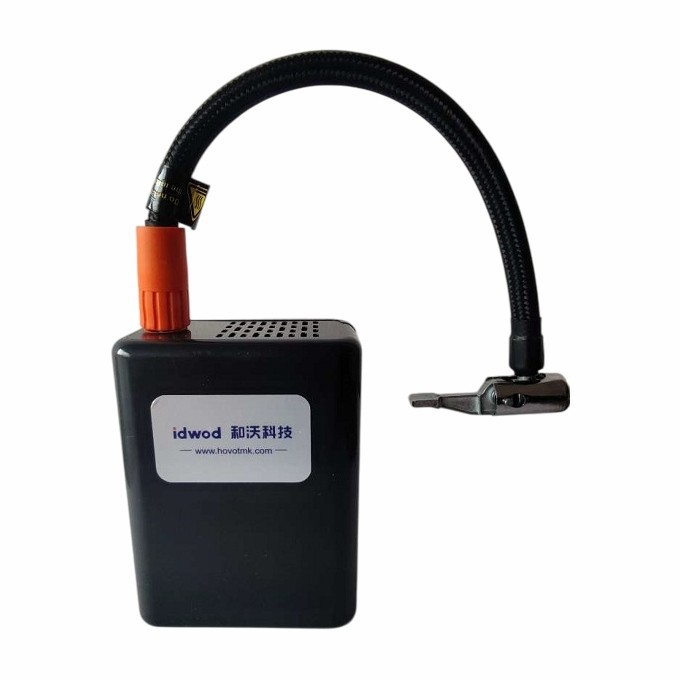
For electric motorcycle riders, we recommend the Electric Motorcycle Tire Sealant and Inflator. This sealant is formulated to withstand the higher pressures and speeds of electric motorcycles, providing excellent puncture protection and peace of mind on the road.
Contact Us for Purchase and Consultation
If you're interested in purchasing our MTB tire sealants or have any questions about using sealant in tubed tires, we'd love to hear from you. Our team of experts is always available to provide you with personalized advice and support. Whether you're a professional cyclist or a casual rider, we can help you find the right sealant for your needs.
Don't let flats ruin your ride. Invest in our high-quality tire sealants and enjoy a worry-free cycling experience. Contact us today to start the procurement discussion and take your cycling to the next level.
References
- Bontrager. (n.d.). Tubeless vs. Tubed Tires. Retrieved from Bontrager official website.
- Park Tool. (n.d.). How to Install Tubeless Tire Sealant. Retrieved from Park Tool official website.
- Stan's No Tubes. (n.d.). Frequently Asked Questions. Retrieved from Stan's No Tubes official website.