

When faced with a flat tire, many drivers turn to a tire sealant kit as a quick and convenient solution. But what happens when the tire has a bent valve stem? As a tire sealant kit supplier, I often encounter this question from customers. In this blog post, I'll explore whether a tire sealant kit can be used on a tire with a bent valve stem, the potential risks and limitations, and provide some guidance on what to do in such situations.
Understanding the Valve Stem and Its Role
Before delving into the main question, it's important to understand the valve stem's function. The valve stem is a small but crucial part of the tire that allows air to enter and exit the tire. It consists of a metal or rubber tube attached to the tire's inner liner, with a valve core at the end that can be opened or closed to control the airflow. A properly functioning valve stem is essential for maintaining the correct tire pressure, which in turn affects the vehicle's handling, fuel efficiency, and safety.

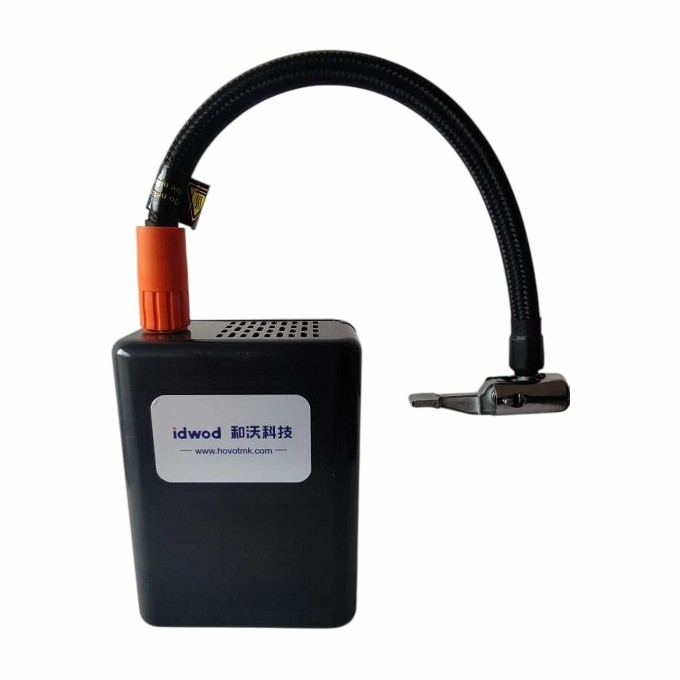
Can a Tire Sealant Kit Be Used on a Tire with a Bent Valve Stem?
The short answer is that it depends on the severity of the bend. In some cases, a slightly bent valve stem may not pose a significant problem, and a tire sealant kit can still be used effectively. However, if the valve stem is severely bent, using a tire sealant kit may not be advisable.
Slightly Bent Valve Stem
If the valve stem is only slightly bent, it may still be possible to use a tire sealant kit. Most tire sealant kits come with an adapter or a special attachment that can be used to connect the kit to the valve stem. These adapters are designed to fit a variety of valve stem shapes and sizes, and they can often compensate for a minor bend. Before using the tire sealant kit, carefully inspect the valve stem to ensure that it is not damaged or leaking. If the valve stem appears to be in good condition, you can proceed with using the tire sealant kit according to the manufacturer's instructions.
Severely Bent Valve Stem
On the other hand, if the valve stem is severely bent, using a tire sealant kit may not be a good idea. A severely bent valve stem can prevent the adapter from fitting properly, making it difficult or impossible to inject the sealant into the tire. Additionally, a bent valve stem may be a sign of more serious damage to the tire or the wheel, such as a cracked rim or a damaged bead. In these cases, using a tire sealant kit may only provide a temporary fix and could potentially mask a more serious problem. It's best to have the tire and wheel inspected by a professional mechanic before attempting to use a tire sealant kit.
Potential Risks and Limitations
Even if the valve stem is only slightly bent and the tire sealant kit can be used, there are still some potential risks and limitations to be aware of.
Incomplete Sealing
A bent valve stem may affect the sealant's ability to reach all parts of the tire. If the sealant cannot reach the puncture or leak, it may not be able to seal it effectively. This could result in the tire losing air over time, requiring further repairs or replacement.
Damage to the Valve Stem
Using a tire sealant kit on a bent valve stem may cause further damage to the valve stem. The pressure from the sealant injection process could exacerbate the bend or even break the valve stem. This could lead to a complete loss of air pressure and potentially cause a blowout while driving.
Compatibility Issues
Not all tire sealant kits are compatible with all types of valve stems. Some kits may be designed specifically for certain types of tires or valve stems, and using an incompatible kit could cause problems. It's important to check the manufacturer's instructions and ensure that the tire sealant kit you are using is suitable for your vehicle's tires and valve stems.
What to Do If You Have a Bent Valve Stem
If you notice that your tire has a bent valve stem, here are some steps you can take:
Inspect the Valve Stem
Carefully examine the valve stem to determine the extent of the bend. If the bend is minor, you may be able to straighten it gently using a pair of pliers. However, be careful not to apply too much force, as this could damage the valve stem.
Check for Other Damage
In addition to the bent valve stem, check the tire and wheel for any other signs of damage, such as cracks, bulges, or leaks. If you notice any other damage, it's best to have the tire and wheel inspected by a professional mechanic.
Consider Your Options
If the valve stem is only slightly bent and there is no other damage to the tire or wheel, you may choose to use a tire sealant kit. However, if the valve stem is severely bent or there is other damage, it's best to have the tire and wheel replaced.
Our Tire Sealant Kits
As a tire sealant kit supplier, we offer a range of high-quality products designed to provide a quick and easy solution for flat tires. Our Motorcycle Tire Sealant and Inflator is specifically formulated for motorcycle tires, providing a reliable seal and inflation in case of a puncture. Our E-Vehicle Tire Sealant and Inflator is designed for electric vehicles, offering a safe and effective way to seal and inflate tires on the go. And our Car Tire Sealant and Inflator is suitable for most passenger cars, providing a convenient solution for unexpected flat tires.
Contact Us for Procurement
If you're interested in purchasing our tire sealant kits for your business or personal use, we'd love to hear from you. Our products are designed to meet the highest standards of quality and performance, and we offer competitive pricing and excellent customer service. Whether you're a retailer looking to stock our products or an individual in need of a reliable tire sealant kit, we can provide you with the solutions you need. Please feel free to contact us to discuss your procurement needs and explore how our tire sealant kits can benefit you.
References
- Tire Industry Association. (2023). Tire Safety Handbook.
- Rubber Manufacturers Association. (2023). Tire Maintenance and Safety Guidelines.